Chicken VS Braised Beef
A detailed nutritional comparison
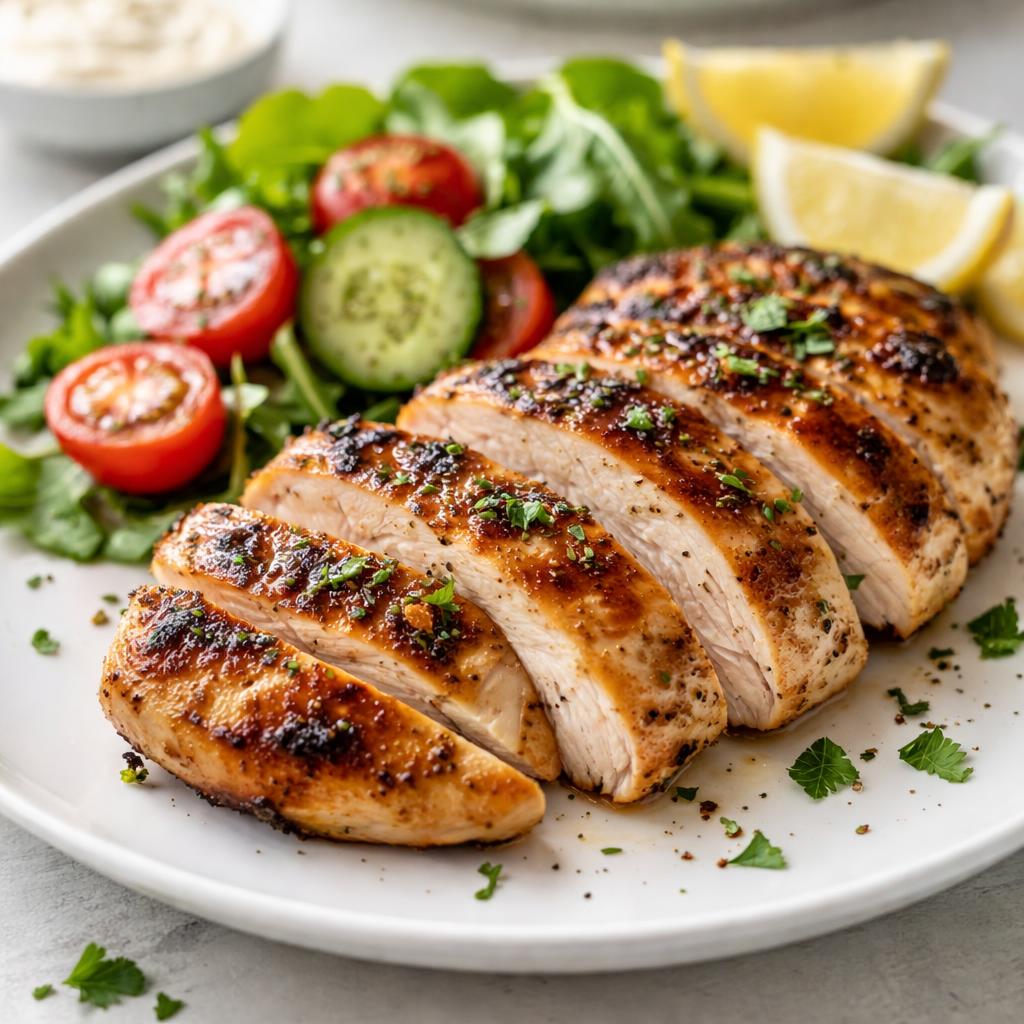
Chicken
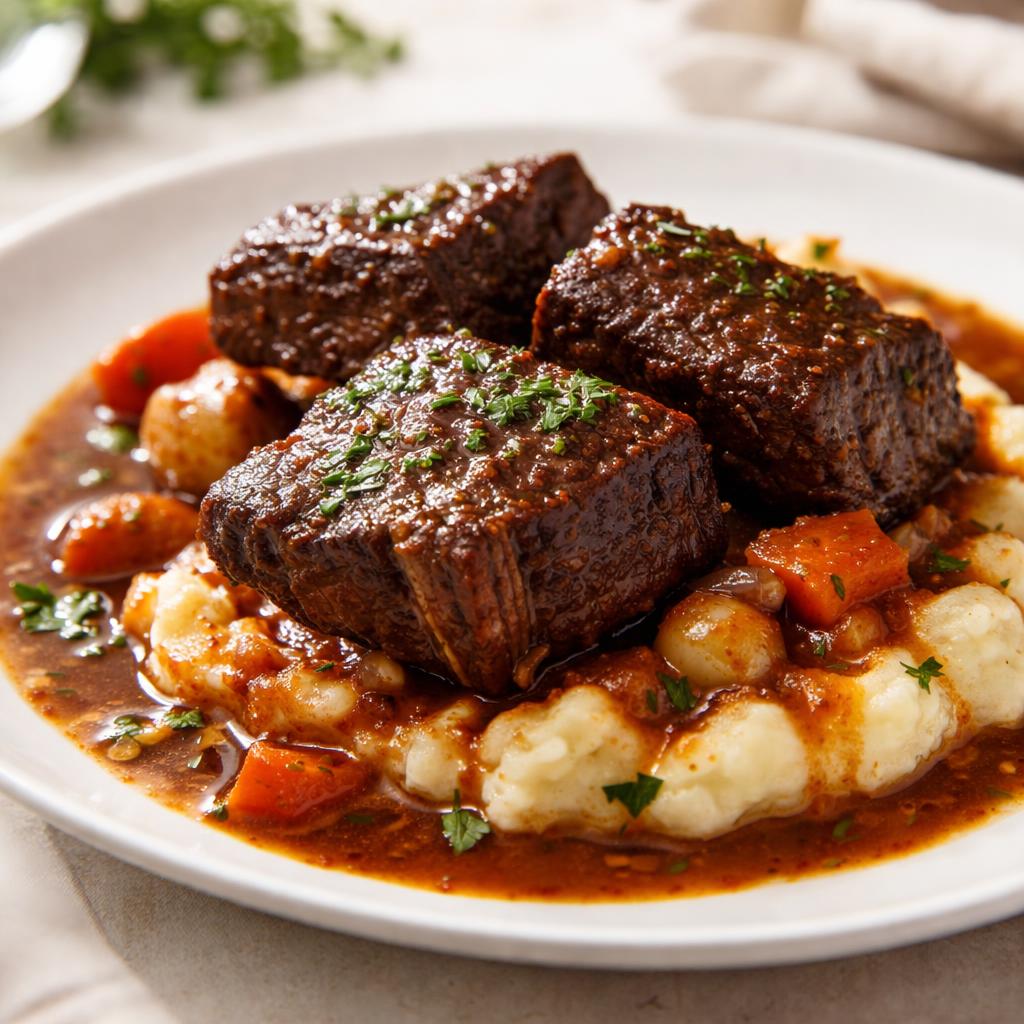
Braised Beef
🎯 Quick Verdict
Chicken outperforms braised beef in terms of protein content and lower calories, making it an ideal choice for weight loss or high-protein diets. Braised beef, while higher in fat and calories, provides more iron and is great for those seeking nutrient-dense, energy-rich meals. Both foods lack dietary fiber and are keto and gluten-free compatible.

Smart Nutrition Tracking with SnapCalorie

📊 Nutritional Comparison
Macronutrients
| Nutrient | Food 1 | Food 2 | Winner |
|---|---|---|---|
| Calories | 165 | 250 | ✓ |
| Protein | 31g | 22g | ✓ |
| Carbs | 0g | 0g | − |
| Fat | 3.6g | 14g | ✓ |
| Fiber | 0g | 0g | − |
Vitamins & Minerals
| Nutrient | Food 1 | Food 2 | Winner |
|---|---|---|---|
| Vitamin D | 0.1mcg | 0.3mcg | ✓ |
| Calcium | 11mg | 16mg | ✓ |
| Iron | 1mg | 3mg | ✓ |
| Vitamin B12 | 0.3mcg | 2.1mcg | ✓ |
🏆 Category Winners
Protein
Chicken has 40% higher protein content per serving (31g vs 22g).
Fiber
Neither chicken nor braised beef provides dietary fiber.
Calories
Chicken has significantly fewer calories (165 vs 250).
Vitamins
Braised beef has higher amounts of Vitamin D, Iron, and Vitamin B12.
🥗 Diet Compatibility
Keto
Food 1: Compatible
Food 2: Compatible
Both foods have zero carbs and fit well into ketogenic diets.
Vegan
Food 1: Not Compatible
Food 2: Not Compatible
Both chicken and beef are animal-based foods.
Gluten Free
Food 1: Compatible
Food 2: Compatible
Neither chicken nor braised beef contains gluten.
Paleo
Food 1: Compatible
Food 2: Compatible
Both align with paleo dietary guidelines as whole, unprocessed meats.
Low-Carb
Food 1: Compatible
Food 2: Compatible
Both foods contain zero carbohydrates and are suitable for low-carb diets.
💪 Health Benefits Comparison
Food 1 Benefits
- High protein content aids muscle growth and repair
- Low in calories, ideal for weight management
- Contains selenium and niacin for metabolic and cellular health
Food 2 Benefits
- Rich in iron, supports healthy red blood cell production
- Provides Vitamin B12, essential for nerve function and energy metabolism
- Higher fat content offers sustained energy sources
✅ The Bottom Line
Choose chicken for lower calories and higher protein when focusing on weight loss, fitness, or post-workout recovery. Opt for braised beef for nutrient density, especially iron and Vitamin B12, making it suitable for those needing sustained energy or addressing micronutrient deficiencies.
Choose Food 1 for: Weight loss, high-protein diets, muscle repair
Choose Food 2 for: Energy source, anemia prevention, nutrient density


