Cherry Tomatoes VS Yoghurt
A detailed nutritional comparison
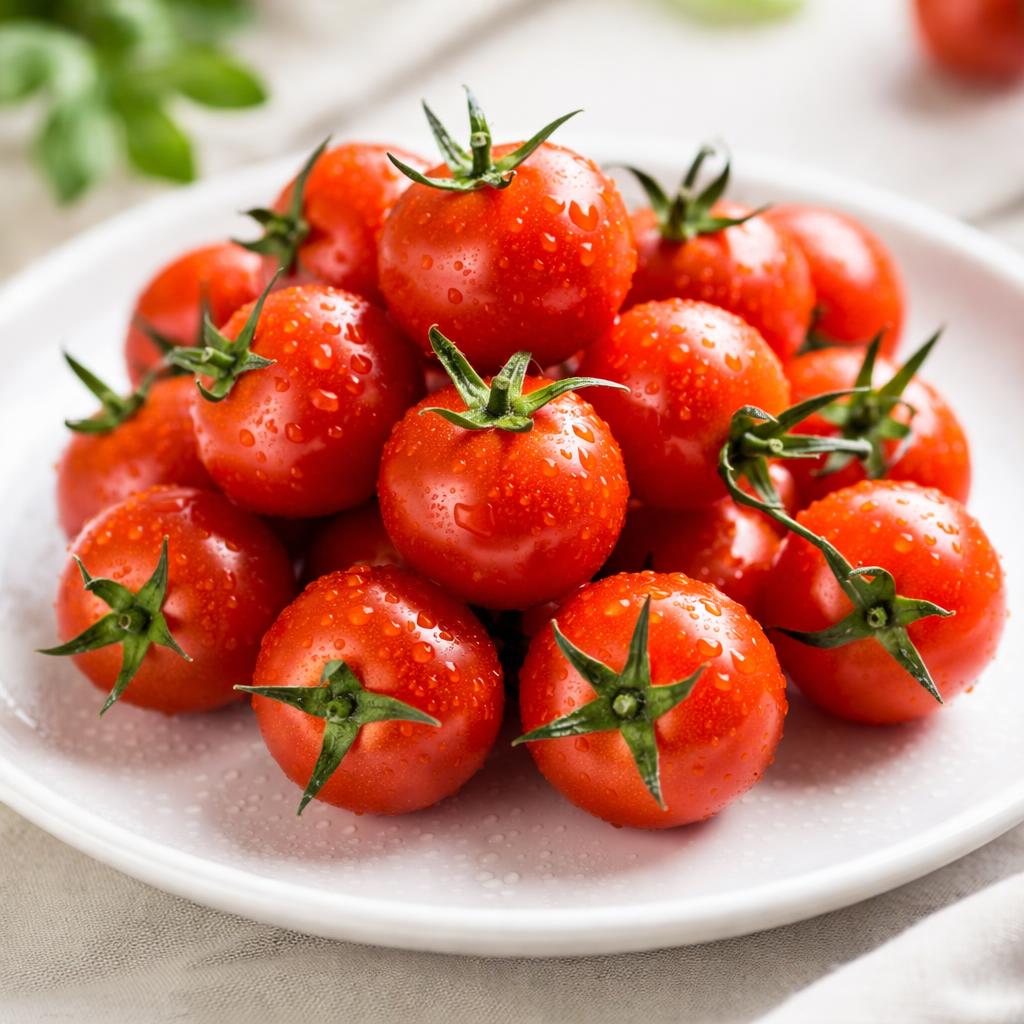
Cherry Tomatoes
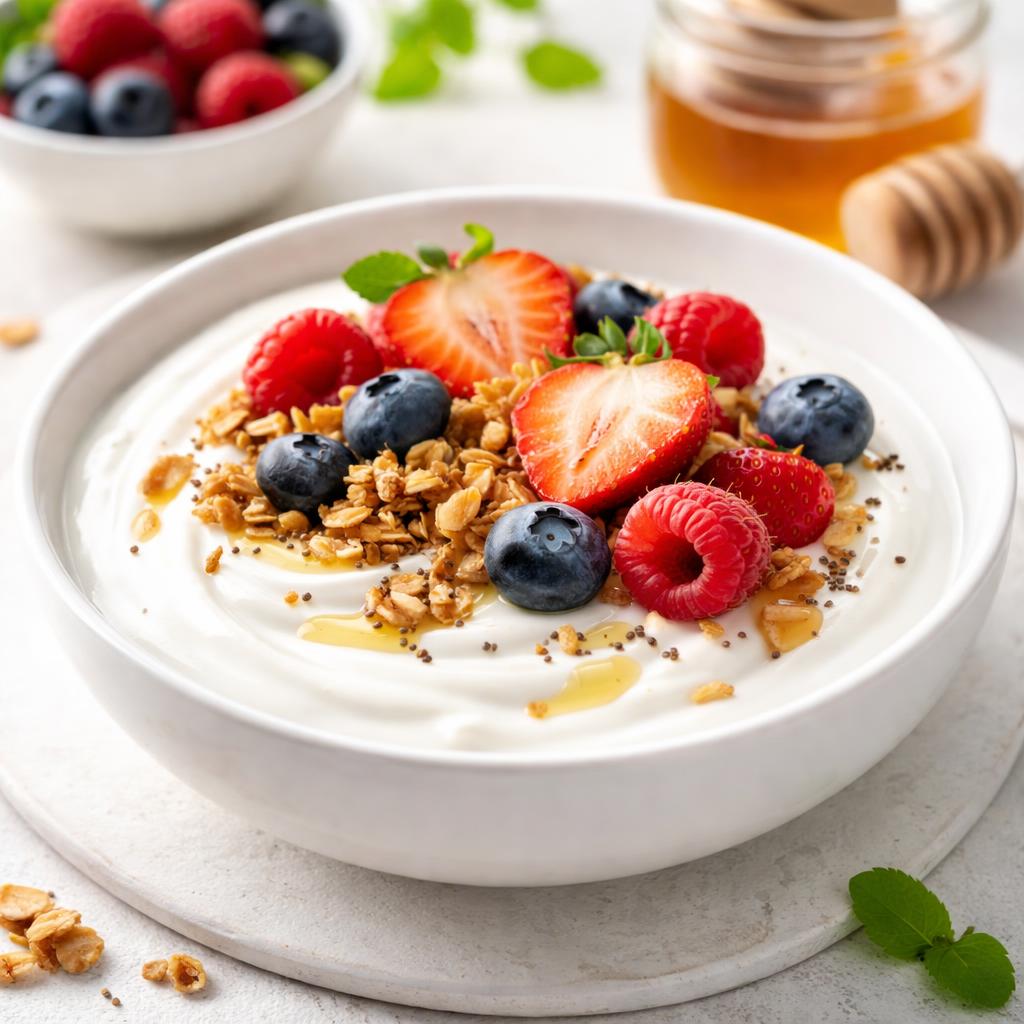
Yoghurt
🎯 Quick Verdict
Cherry tomatoes and yogurt are both nutritious options but serve different purposes. Cherry tomatoes are lower in calories and higher in fiber, making them ideal for weight management and digestion, while yogurt excels in protein content and provides probiotics for gut health. They cater to distinct dietary needs, depending on your goals.

Smart Nutrition Tracking with SnapCalorie

📊 Nutritional Comparison
Macronutrients
| Nutrient | Food 1 | Food 2 | Winner |
|---|---|---|---|
| Calories | 18 per 100g | 63 per 100g | ✓ |
| Protein | 0.9g per 100g | 3.5g per 100g | ✓ |
| Carbs | 3.9g per 100g | 4.7g per 100g | ✓ |
| Fat | 0.2g per 100g | 1.5g per 100g | ✓ |
| Fiber | 1.2g per 100g | 0g per 100g | ✓ |
Vitamins & Minerals
| Nutrient | Food 1 | Food 2 | Winner |
|---|---|---|---|
| Vitamin C | 13.7mg per 100g | 0mg per 100g | ✓ |
| Calcium | 10mg per 100g | 121mg per 100g | ✓ |
| Vitamin D | 0mcg per 100g | 0.1mcg per 100g | ✓ |
| Iron | 0.5mg per 100g | 0.1mg per 100g | ✓ |
🏆 Category Winners
Protein
Yogurt contains nearly 4x more protein per 100g compared to cherry tomatoes.
Fiber
Cherry tomatoes provide a significant amount of dietary fiber while yogurt contains none.
Calories
Cherry tomatoes are an incredibly low-calorie food, containing less than one-third the calories of yogurt per 100g.
Vitamins
Both foods excel in different vitamins. Cherry tomatoes are rich in Vitamin C, while yogurt is a good source of calcium.
🥗 Diet Compatibility
Keto
Food 1: Not Compatible
Food 2: Compatible
Yogurt is lower in net carbs and fits within a keto macros framework for moderate consumption.
Vegan
Food 1: Compatible
Food 2: Not Compatible
Cherry tomatoes are plant-based, whereas yogurt is a dairy product.
Gluten Free
Food 1: Compatible
Food 2: Compatible
Both foods are naturally gluten-free.
Paleo
Food 1: Compatible
Food 2: Somewhat Compatible
Cherry tomatoes are fully paleo, while yogurt fits paleo principles only if unsweetened and grass-fed.
Low-Carb
Food 1: Compatible
Food 2: Compatible
Both foods can fit into a low-carb diet but yogurt should be consumed in moderation due to slightly higher carb content.
💪 Health Benefits Comparison
Food 1 Benefits
- Low-calorie and high-fiber content aids weight management.
- Rich in Vitamin C, supporting immune function.
- Source of antioxidants, promoting overall cellular health.
Food 2 Benefits
- High protein content aids muscle repair and recovery.
- Provides probiotics, supporting gut health and digestion.
- Excellent source of calcium for strong bones and teeth.
✅ The Bottom Line
Choose cherry tomatoes for a low-calorie snack rich in fiber and antioxidants, ideal for weight loss and digestive support. Opt for yogurt when you need a high-protein food with added benefits like probiotics and calcium. Both foods complement different dietary goals.
Choose Food 1 for: Low-calorie snacking, weight management, immune support
Choose Food 2 for: Gut health, muscle recovery, bone strength


