Cherry Tomatoes VS Tomato Soup
A detailed nutritional comparison
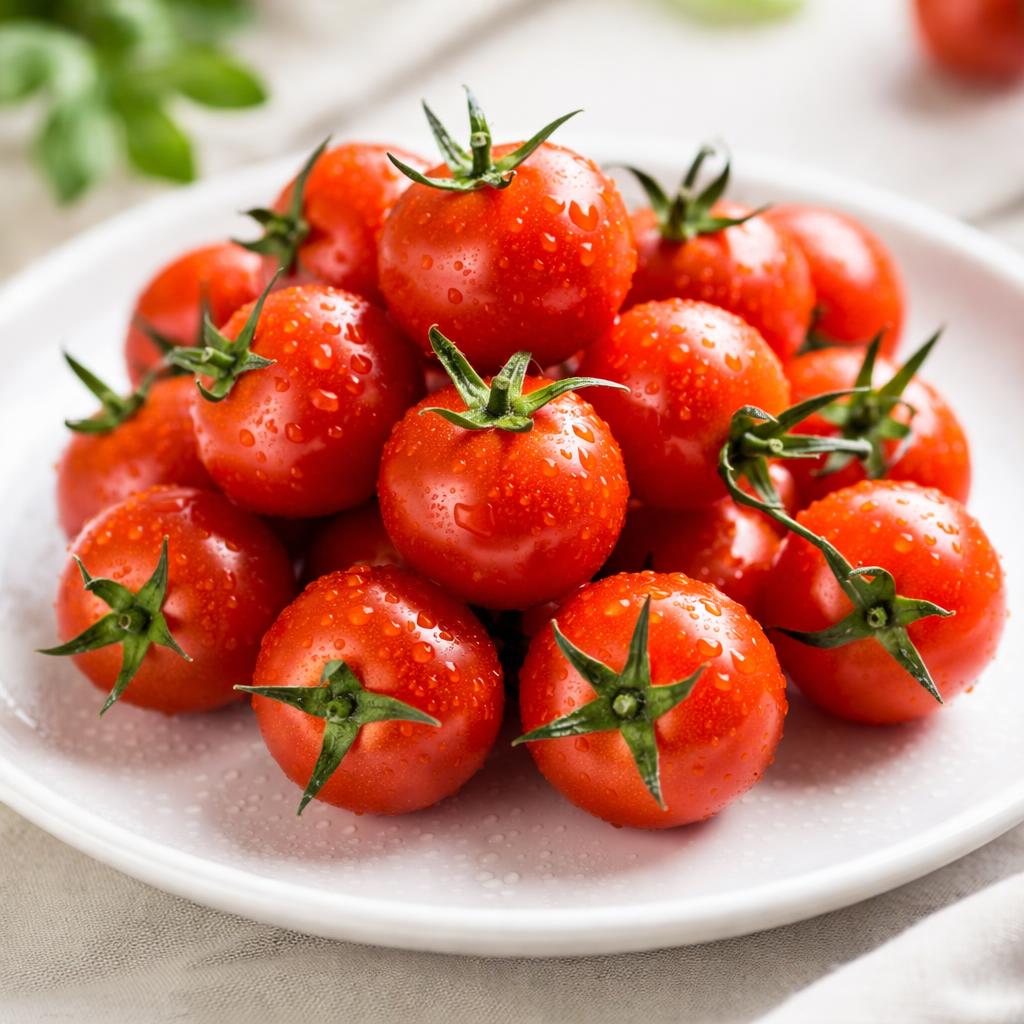
Cherry Tomatoes
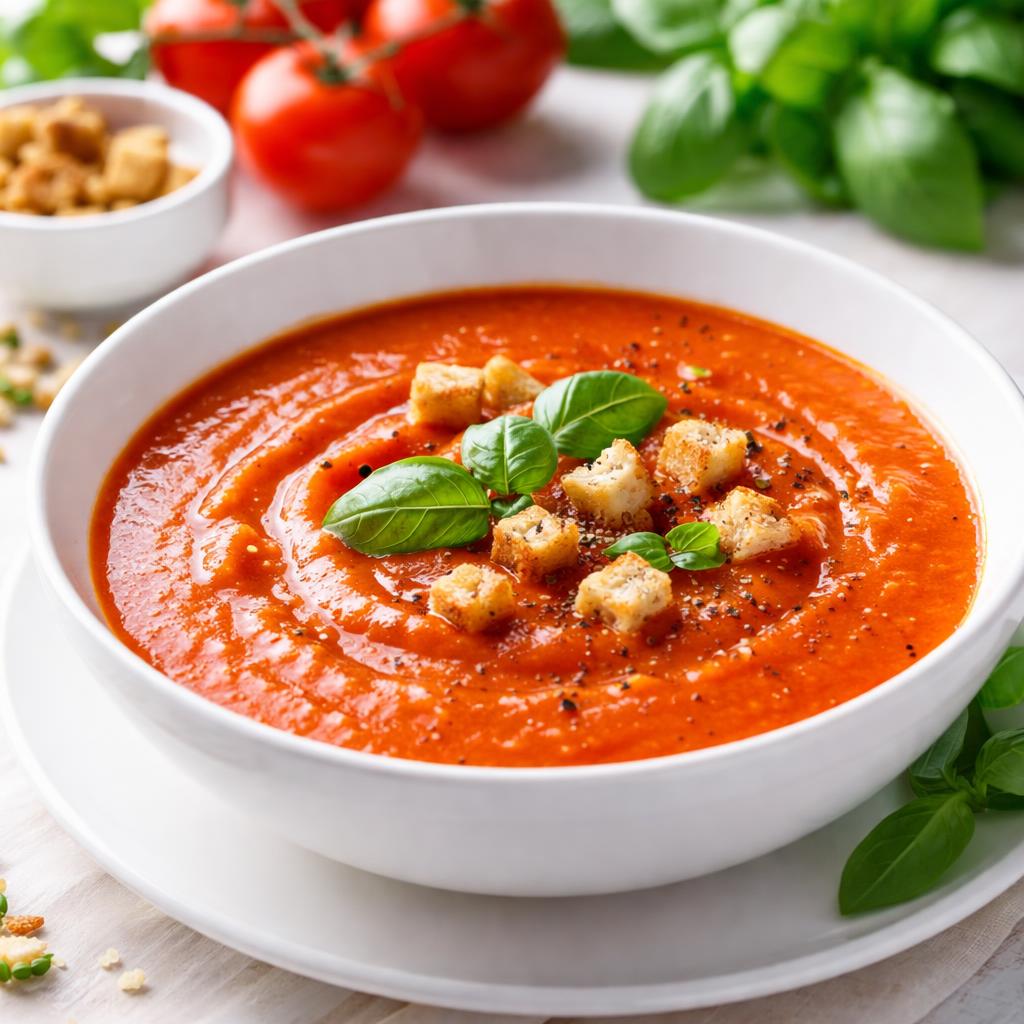
Tomato Soup
🎯 Quick Verdict
Cherry tomatoes are lower in calories, higher in fiber, and provide more protein than tomato soup, making them a more nutrient-dense option for snacking or salads. Tomato soup is best for a warm, comforting meal and is still rich in antioxidants but typically contains added salt and sugar.

Smart Nutrition Tracking with SnapCalorie

📊 Nutritional Comparison
Macronutrients
| Nutrient | Food 1 | Food 2 | Winner |
|---|---|---|---|
| Calories | 18 per 100g | 85 per 100g | ✓ |
| Protein | 0.9g per 100g | 0.6g per 100g | ✓ |
| Carbs | 4g per 100g | 15.2g per 100g | ✓ |
| Fat | 0.2g per 100g | 3.1g per 100g | ✓ |
| Fiber | 1.2g per 100g | 0.6g per 100g | ✓ |
Vitamins & Minerals
| Nutrient | Food 1 | Food 2 | Winner |
|---|---|---|---|
| Vitamin C | 13.7mg per 100g | 5mg per 100g | ✓ |
| Vitamin A | 833 IU per 100g | 500 IU per 100g | ✓ |
| Potassium | 237mg per 100g | 183mg per 100g | ✓ |
🏆 Category Winners
Protein
Cherry tomatoes provide 50% more protein per 100g than tomato soup.
Fiber
Cherry tomatoes have twice the fiber content compared to tomato soup.
Calories
Cherry tomatoes have 79% fewer calories per serving than tomato soup.
Vitamins
Cherry tomatoes are richer in essential vitamins such as vitamin C and A.
🥗 Diet Compatibility
Keto
Food 1: Compatible
Food 2: Not Fully Compatible
Cherry tomatoes are low-carb, while tomato soup typically contains added sugars and higher carbs.
Vegan
Food 1: Compatible
Food 2: Compatible
Both foods are naturally plant-based.
Gluten Free
Food 1: Compatible
Food 2: Depends
Cherry tomatoes are inherently gluten-free, while some tomato soups may contain added starches or thickeners with gluten.
Paleo
Food 1: Compatible
Food 2: Not Fully Compatible
Cherry tomatoes fit paleo guidelines, but tomato soup frequently contains non-paleo additives like sugar.
Low-Carb
Food 1: Compatible
Food 2: Not Fully Compatible
Cherry tomatoes are low-carb (4g per 100g), while tomato soup is higher in carbs (15g per 100g).
💪 Health Benefits Comparison
Food 1 Benefits
- Rich in antioxidants like lycopene and vitamin C for immune support
- High fiber content for improved digestion
- Low-calorie option for weight management and snacking
- Promotes heart health due to potassium content
Food 2 Benefits
- Contains lycopene and other antioxidants for disease prevention
- Warm, hydrating option for cold weather
- Supports nutrient intake when combined with additional ingredients like vegetables
- Provides a comforting meal with moderate energy content
✅ The Bottom Line
Cherry tomatoes are a better option for low-calorie, nutrient-dense snacking or salads, while tomato soup is ideal when you crave a warm, comforting meal that can be enhanced with healthy additions like protein or vegetables. Choose according to your dietary goals and meal context.
Choose Food 1 for: Low-calorie snacking, salads, nutrient density, keto diets
Choose Food 2 for: Hearty meals, comfort food, moderate energy intake


