Cherry Tomatoes VS Steamed Broccoli
A detailed nutritional comparison
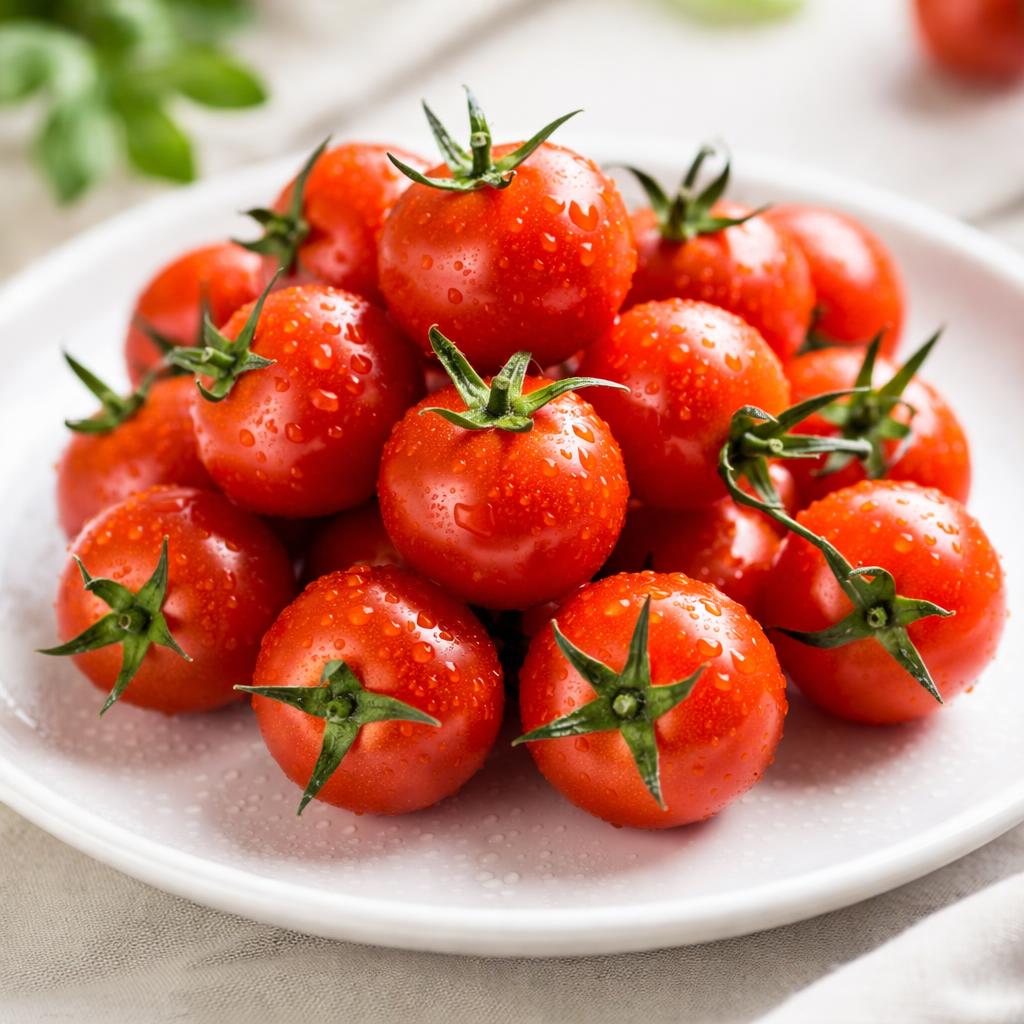
Cherry Tomatoes
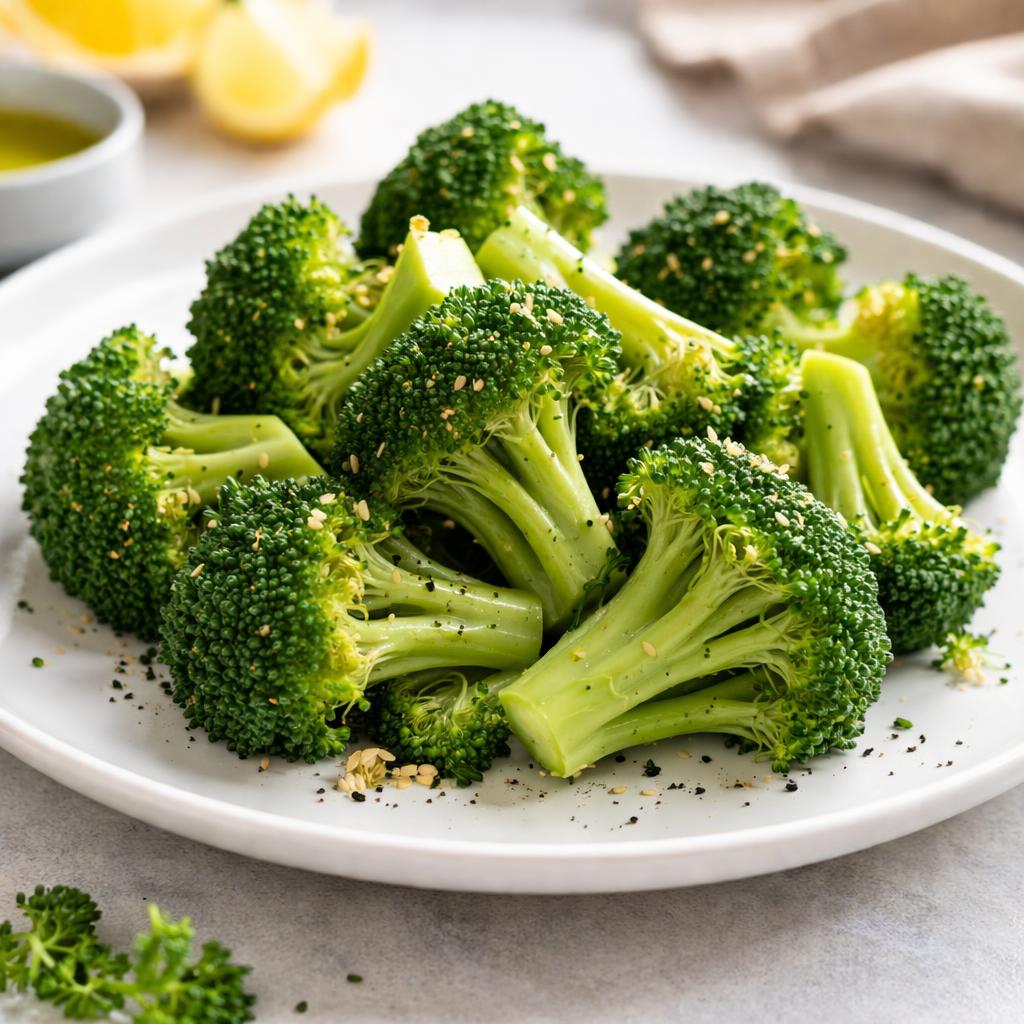
Steamed Broccoli
🎯 Quick Verdict
Steamed broccoli offers more protein and fiber compared to cherry tomatoes, making it better for overall nutrient density and satiety. Cherry tomatoes, on the other hand, are lower in calories and provide a sweeter, versatile option ideal for snacking or salads.

Smart Nutrition Tracking with SnapCalorie

📊 Nutritional Comparison
Macronutrients
| Nutrient | Food 1 | Food 2 | Winner |
|---|---|---|---|
| Calories | 18 kcal (per 100g) | 35 kcal (per 100g) | ✓ |
| Protein | 0.9g | 2.4g | ✓ |
| Carbs | 3.9g | 7.2g | ✓ |
| Fat | 0.2g | 0.4g | ✓ |
| Fiber | 1.2g | 3.3g | ✓ |
Vitamins & Minerals
| Nutrient | Food 1 | Food 2 | Winner |
|---|---|---|---|
| Vitamin C | 23.4mg (26% DV) | 89.2mg (99% DV) | ✓ |
| Vitamin A | 1025 IU | 623 IU | ✓ |
| Calcium | 10mg | 47mg | ✓ |
| Iron | 0.3mg | 0.7mg | ✓ |
| Vitamin K | 7.9mcg | 101.6mcg | ✓ |
🏆 Category Winners
Protein
Broccoli has nearly triple the protein content per 100g.
Fiber
Broccoli contains 175% more fiber than cherry tomatoes.
Calories
Cherry tomatoes are lower in calories by nearly 50%.
Vitamins
Broccoli offers significantly more Vitamin C, Calcium, and Vitamin K.
🥗 Diet Compatibility
Keto
Food 1: Compatible
Food 2: Compatible
Both foods are naturally low in carbs.
Vegan
Food 1: Compatible
Food 2: Compatible
Both foods fit well into plant-based diets.
Gluten Free
Food 1: Compatible
Food 2: Compatible
Neither food contains gluten.
Paleo
Food 1: Compatible
Food 2: Compatible
Both are naturally occurring whole foods.
Low-Carb
Food 1: Compatible
Food 2: Compatible
Both are low in carbohydrates, though broccoli contains slightly more carbs.
💪 Health Benefits Comparison
Food 1 Benefits
- Low in calories, ideal for weight management.
- Excellent source of Vitamin A for eye health.
- Contains antioxidants like lycopene for heart health.
Food 2 Benefits
- High in Vitamin C to support immunity and skin health.
- Rich in Vitamin K for bone health and blood clotting.
- Provides fiber for improved digestion and satiety.
- Contains compounds that support cardiovascular and anti-inflammatory benefits.
✅ The Bottom Line
Choose cherry tomatoes for a lower-calorie, sweet snack or salad ingredient. Opt for steamed broccoli for a more protein- and fiber-rich choice that maximizes overall nutrient density. Both are versatile and nutrient-dense, fitting various dietary needs.
Choose Food 1 for: Low-calorie snacking, salads, weight management.
Choose Food 2 for: Meal prepping, nutrient density, digestive health.


