Cherry Tomatoes VS Spaghetti Squash
A detailed nutritional comparison
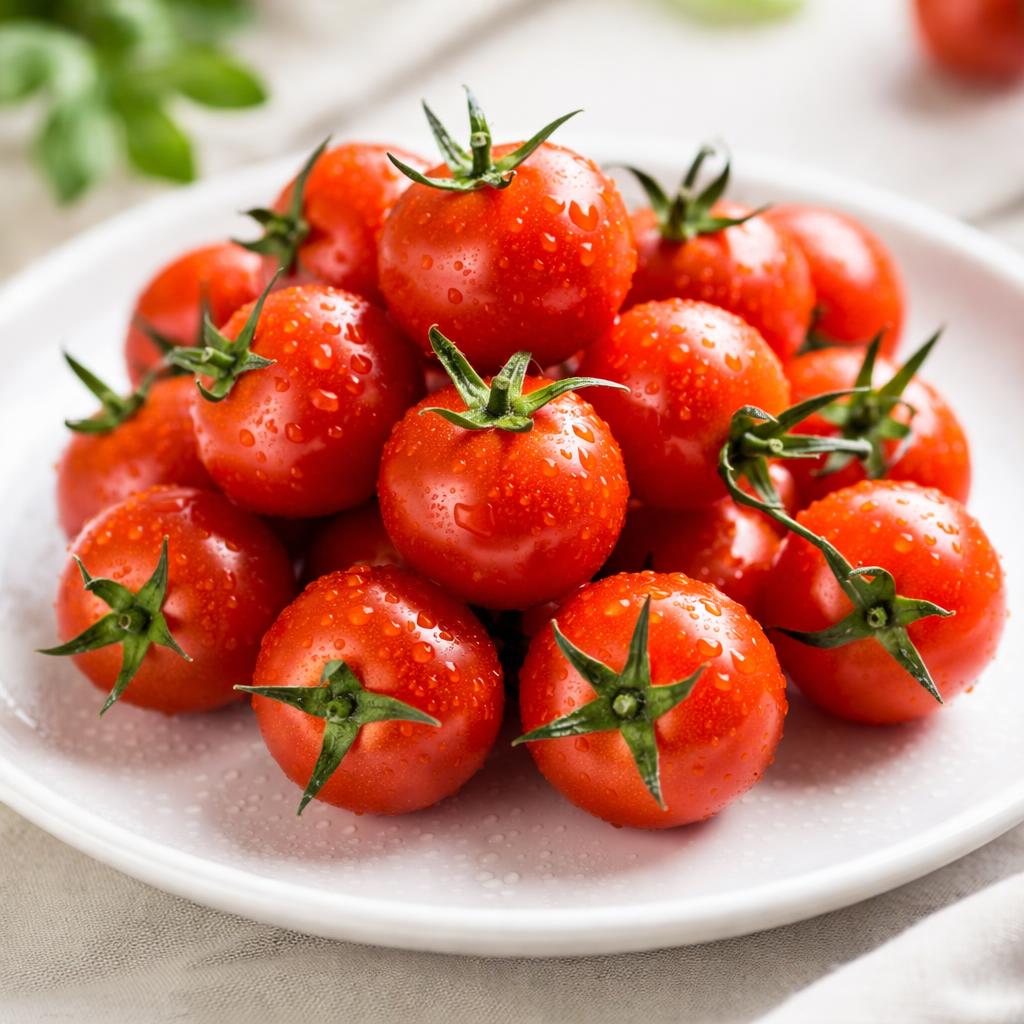
Cherry Tomatoes
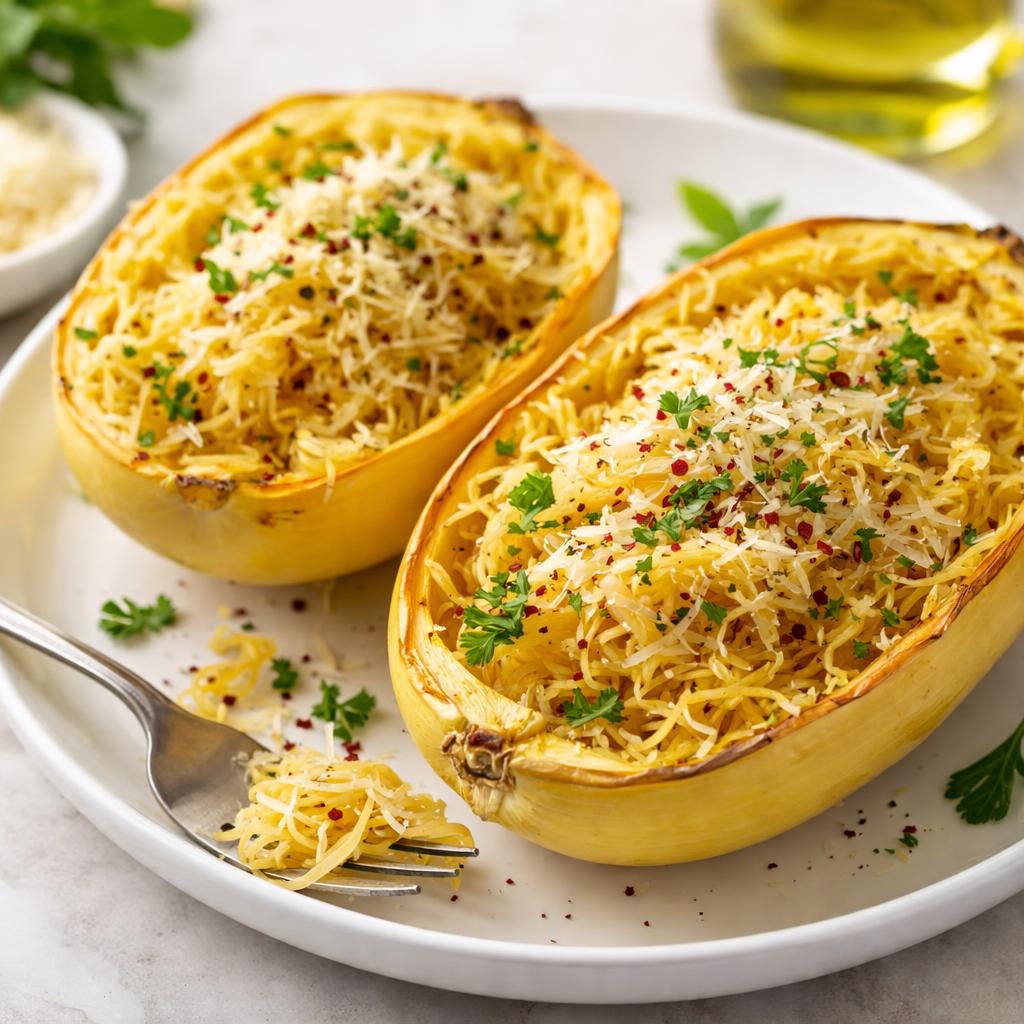
Spaghetti Squash
🎯 Quick Verdict
Cherry tomatoes are lower in calories and higher in vitamin C compared to spaghetti squash. On the other hand, spaghetti squash offers more fiber and a lower carb count, making it ideal for keto or low-carb diets. Both foods are nutrient-dense and versatile in different types of diets such as vegan and paleo plans.

Smart Nutrition Tracking with SnapCalorie

📊 Nutritional Comparison
Macronutrients
| Nutrient | Food 1 | Food 2 | Winner |
|---|---|---|---|
| Calories | 18 per 100g | 31 per 100g | ✓ |
| Protein | 0.9g per 100g | 0.6g per 100g | − |
| Carbs | 3.9g per 100g | 7g per 100g | ✓ |
| Fat | 0.2g per 100g | 0.6g per 100g | ✓ |
| Fiber | 1.2g per 100g | 2.2g per 100g | ✓ |
Vitamins & Minerals
| Nutrient | Food 1 | Food 2 | Winner |
|---|---|---|---|
| Vitamin C | 12.7mg per 100g | 2.1mg per 100g | ✓ |
| Vitamin A | 449 IU per 100g | 57 IU per 100g | ✓ |
| Potassium | 237mg per 100g | 180mg per 100g | ✓ |
🏆 Category Winners
Protein
Both foods have low but similar protein amounts (less than 1g per serving).
Fiber
Spaghetti squash contains 83% more fiber than cherry tomatoes.
Calories
Cherry tomatoes have 42% fewer calories than spaghetti squash per serving.
Vitamins
Cherry tomatoes are significantly higher in vitamin C and vitamin A compared to spaghetti squash.
🥗 Diet Compatibility
Keto
Food 1: Not Compatible
Food 2: Compatible
Spaghetti squash has lower net carbs, suitable for keto diets.
Vegan
Food 1: Compatible
Food 2: Compatible
Both are plant-based options that fit vegan diets.
Gluten Free
Food 1: Compatible
Food 2: Compatible
Neither contains gluten, perfect for gluten-free diets.
Paleo
Food 1: Compatible
Food 2: Compatible
Both are whole, unprocessed, paleo-friendly foods.
Low-Carb
Food 1: Not Compatible
Food 2: Compatible
Spaghetti squash has a lower carb count than cherry tomatoes, making it better for low-carb diets.
💪 Health Benefits Comparison
Food 1 Benefits
- Rich in vitamin C for immune support and skin health
- High in potassium, supporting heart health and muscle function
- Low-calorie, perfect for calorie-conscious diets
- Source of antioxidants, including lycopene for anti-inflammatory benefits
Food 2 Benefits
- Good source of fiber for digestive health and improved satiety
- Low-carb vegetable, ideal for managing blood sugar levels
- Contains vitamin B6 for brain health and metabolic function
- Provides small amounts of essential minerals like magnesium and manganese
✅ The Bottom Line
Cherry tomatoes are a great choice for those looking to lower calories, boost vitamin intake, and enjoy a fresh, tangy addition to salads or snacks. Spaghetti squash, on the other hand, works best for keto, low-carb, or high-fiber diets and can serve as a nutritious, low-calorie alternative to pasta. Both foods are versatile and fit into a variety of diets.
Choose Food 1 for: Low-calorie diets, snacks, salads, and vitamin C boosts
Choose Food 2 for: Keto diets, low-carb pasta replacements, fiber-focused meals


