Cherry Tomatoes VS Sliced Tomato
A detailed nutritional comparison
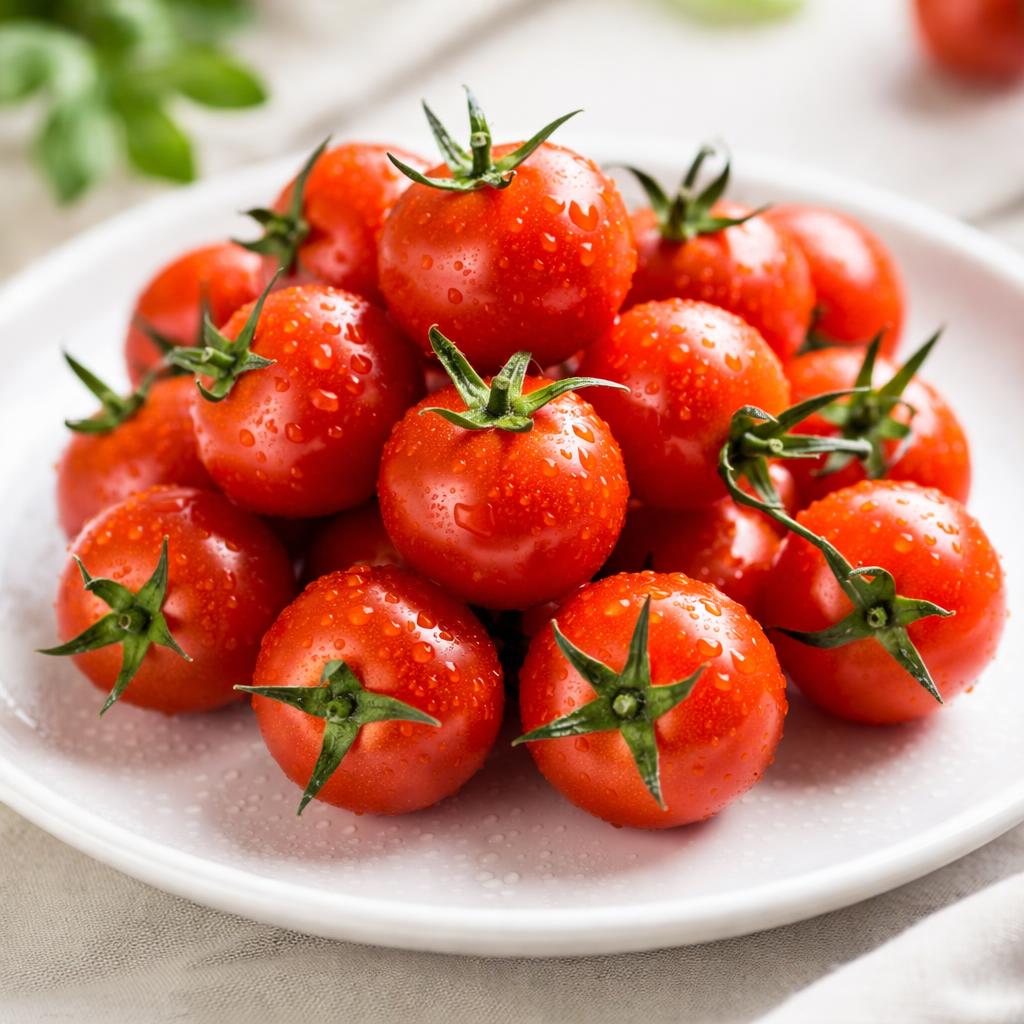
Cherry Tomatoes
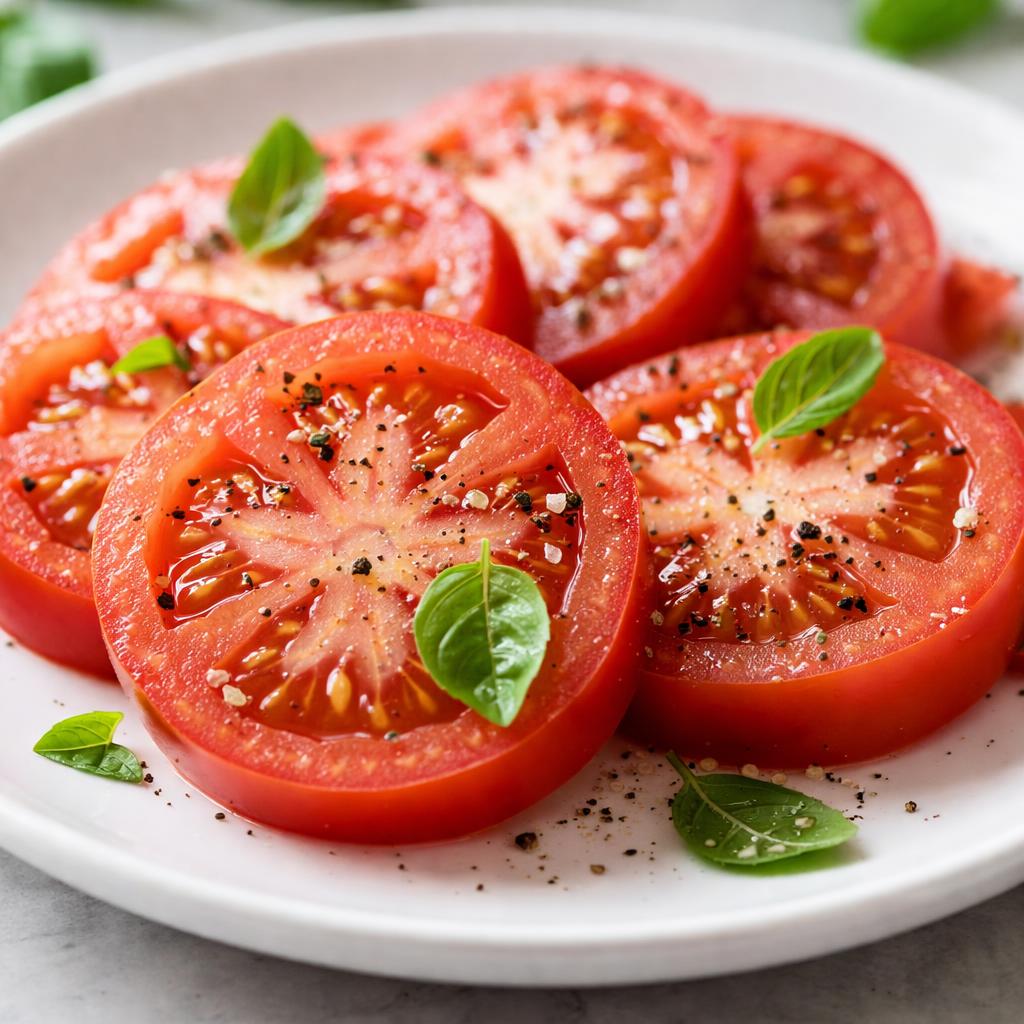
Sliced Tomato
🎯 Quick Verdict
Cherry tomatoes and sliced tomatoes have nearly identical nutritional profiles, as both are varieties of tomatoes. Both are low in calories, high in vitamins A and C, and provide fiber. Cherry tomatoes are slightly more convenient for snacking, while sliced tomatoes work better in meals such as sandwiches or salads.

Smart Nutrition Tracking with SnapCalorie

📊 Nutritional Comparison
Macronutrients
| Nutrient | Food 1 | Food 2 | Winner |
|---|---|---|---|
| Calories | 18 (per 100g) | 18 (per 100g) | − |
| Protein | 0.9g (per 100g) | 0.9g (per 100g) | − |
| Carbs | 4g (per 100g) | 4g (per 100g) | − |
| Fat | 0.2g (per 100g) | 0.2g (per 100g) | − |
| Fiber | 1.2g (per 100g) | 1.2g (per 100g) | − |
Vitamins & Minerals
| Nutrient | Food 1 | Food 2 | Winner |
|---|---|---|---|
| Vitamin C | 15mg (per 100g) | 14mg (per 100g) | ✓ |
| Vitamin A | 833IU (per 100g) | 833IU (per 100g) | − |
| Vitamin K | 9.7mcg (per 100g) | 7.9mcg (per 100g) | ✓ |
🏆 Category Winners
Protein
Both foods provide equal protein at approximately 0.9g per 100g.
Fiber
Both provide 1.2g of fiber per 100g, aiding digestion equally.
Calories
Both are low-calorie options with 18 calories per 100g.
Vitamins
Cherry tomatoes slightly edge out in vitamin C and K content, making them the better choice for immunity and bone health.
🥗 Diet Compatibility
Keto
Food 1: Compatible
Food 2: Compatible
Both are low in carbs, with only 4g per 100g.
Vegan
Food 1: Compatible
Food 2: Compatible
Both are plant-based and fully vegan-friendly.
Gluten Free
Food 1: Compatible
Food 2: Compatible
Neither contains gluten, making them safe for gluten-free diets.
Paleo
Food 1: Compatible
Food 2: Compatible
Both align with paleo principles as natural, whole plant foods.
Low Carb
Food 1: Compatible
Food 2: Compatible
Both are naturally low in carbohydrates at 4g per 100g.
💪 Health Benefits Comparison
Food 1 Benefits
- Rich in vitamin C for boosting immunity
- Provides vitamin K for strong bones
- Contains antioxidants like lycopene for heart health
- Low-calorie snack option to support weight loss
Food 2 Benefits
- High in vitamin C for antioxidant protection
- Good balance of hydration and nutrients for skin health
- Supports digestion through dietary fiber
- Low calorie addition to salads and sandwiches
✅ The Bottom Line
Both cherry tomatoes and sliced tomatoes are nutritionally equivalent and versatile. Cherry tomatoes are excellent for snacking, while sliced tomatoes are perfect for culinary recipes like sandwiches or sauces.
Choose Food 1 for: Snacking, portability, vitamin K boost
Choose Food 2 for: Cooking, salad additions, hydration with nutrients


