Cherry Tomatoes VS Salmon
A detailed nutritional comparison
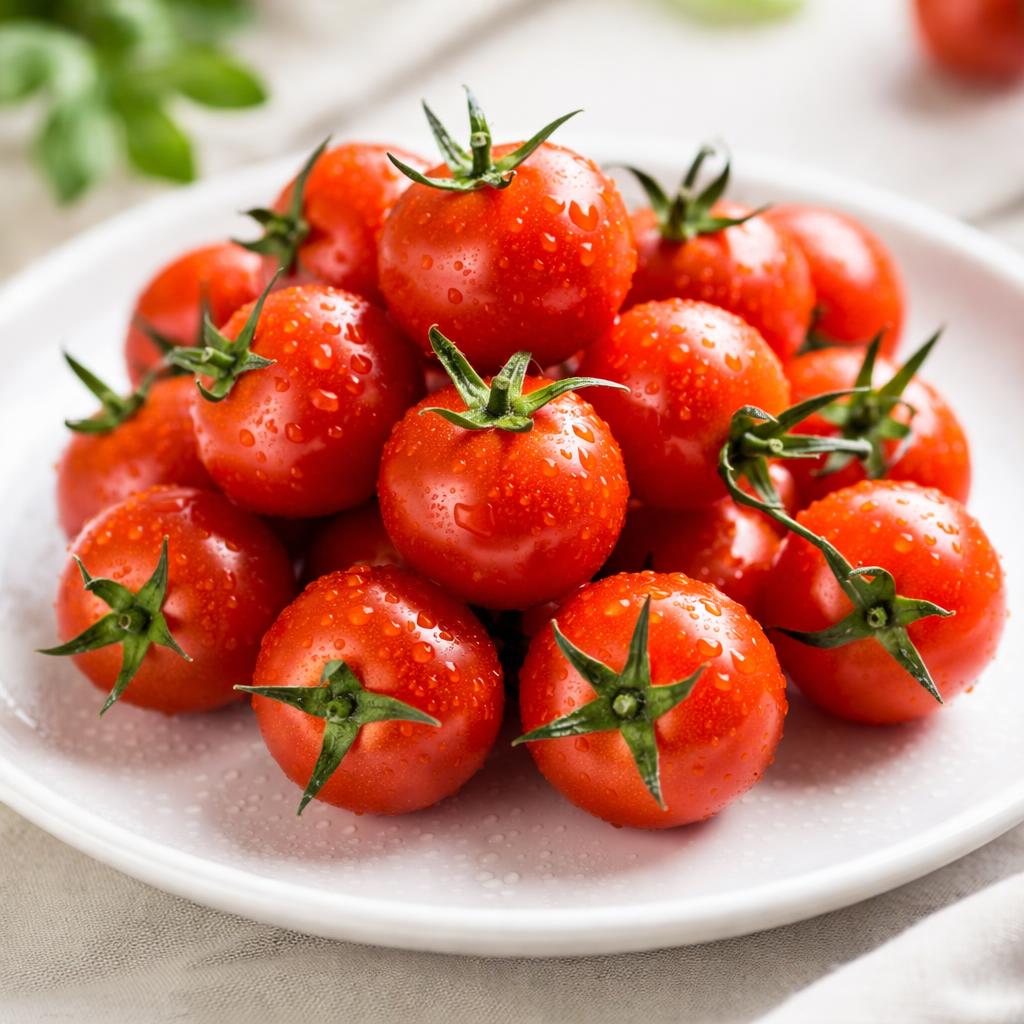
Cherry Tomatoes
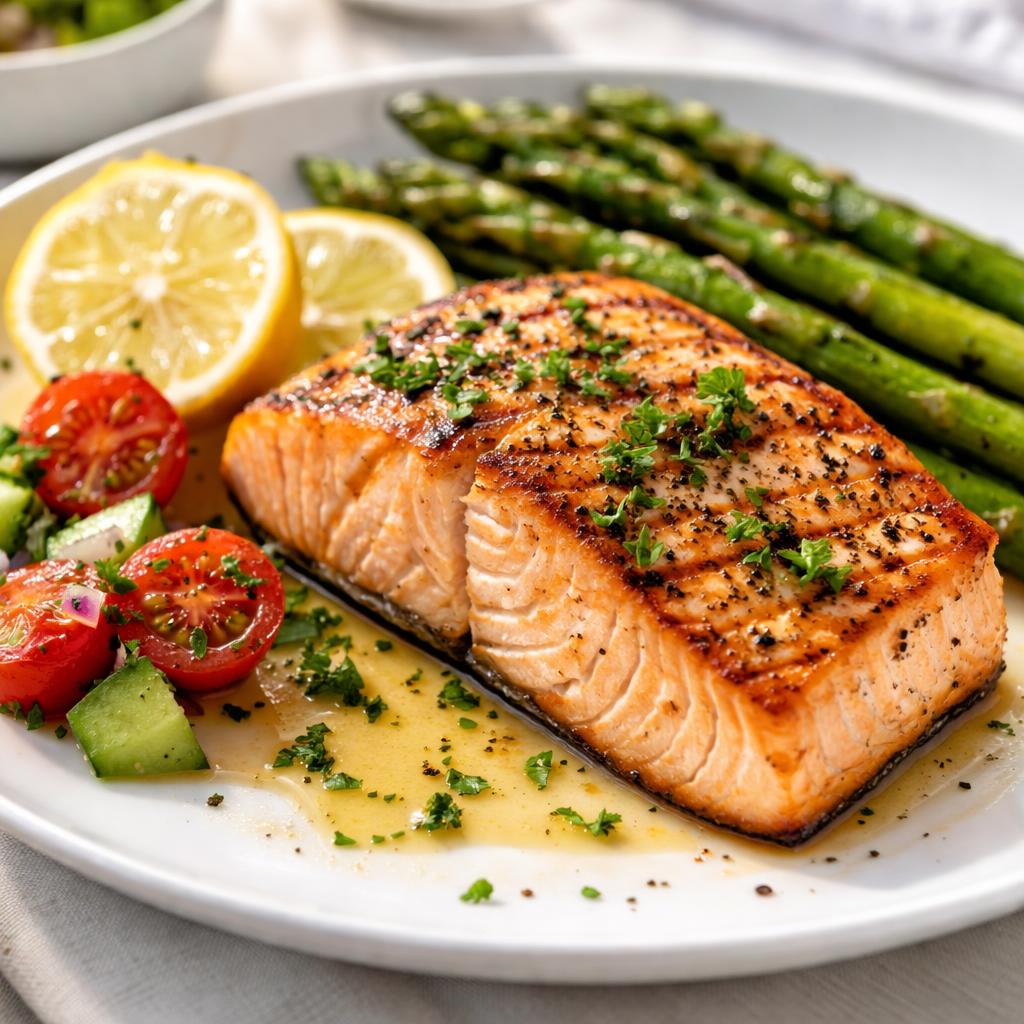
Salmon
🎯 Quick Verdict
Salmon provides significantly more protein and healthy fats compared to cherry tomatoes, making it ideal for muscle growth and heart health. Cherry tomatoes, on the other hand, are lower in calories and carbs, offering greater fiber and beneficial vitamins for immune support and hydration. Each food serves different dietary needs effectively.

Smart Nutrition Tracking with SnapCalorie

📊 Nutritional Comparison
Macronutrients
| Nutrient | Food 1 | Food 2 | Winner |
|---|---|---|---|
| Calories | 18 per 100g | 208 per 100g | ✓ |
| Protein | 0.9g per 100g | 20g per 100g | ✓ |
| Fat | 0.2g per 100g | 13g per 100g | ✓ |
| Carbs | 3.9g per 100g | 0g per 100g | ✓ |
| Fiber | 1.2g per 100g | 0g per 100g | ✓ |
Vitamins & Minerals
| Nutrient | Food 1 | Food 2 | Winner |
|---|---|---|---|
| Vitamin C | 25mg per 100g | 0mg per 100g | ✓ |
| Vitamin D | 0mcg per 100g | 11mcg per 100g | ✓ |
| Vitamin A | 1025IU per 100g | 35IU per 100g | ✓ |
| Iron | 0.3mg per 100g | 0.8mg per 100g | ✓ |
🏆 Category Winners
Protein
Salmon has 22x more protein per serving compared to cherry tomatoes, making it superior for protein needs.
Fiber
Cherry tomatoes contain 1.2g of fiber per serving, while salmon contains none.
Calories
Cherry tomatoes are far lower in calories, making them a lighter option for calorie-conscious diets.
Vitamins
Food1 excels in Vitamin C and A, while food2 dominates in Vitamin D and iron. Both provide unique benefits.
🥗 Diet Compatibility
Keto
Food 1: Not Compatible
Food 2: Compatible
Salmon is zero-carb and high-fat, ideal for keto diets, while cherry tomatoes contain moderate carbs (3.9g per serving).
Vegan
Food 1: Compatible
Food 2: Not Compatible
Cherry tomatoes are plant-based, while salmon is an animal product.
Gluten Free
Food 1: Compatible
Food 2: Compatible
Neither food contains gluten.
Paleo
Food 1: Compatible
Food 2: Compatible
Both foods fit the paleo diet guidelines.
Low-Carb
Food 1: Compatible
Food 2: Compatible
Both foods have low carb content, though salmon has none.
💪 Health Benefits Comparison
Food 1 Benefits
- Low-calorie option for weight management
- Rich in Vitamin C for immune system support
- Contains fiber to aid digestion
- High water content for hydration
Food 2 Benefits
- Excellent source of lean protein for muscle repair
- Rich in Omega-3 fatty acids for heart health
- High levels of Vitamin D for bone health and immune function
- Contains selenium for antioxidant support
✅ The Bottom Line
Salmon is the better choice for those looking to boost protein intake, healthy fats, and essential nutrients like Vitamin D and Omega-3s. Cherry tomatoes are fantastic for low-calorie diets, improving digestion through fiber, and supplying vitamins C and A. Consider your dietary goals when choosing between these two complementary foods.
Choose Food 1 for: Low-calorie meals, vegan diets, hydration, immunity boost
Choose Food 2 for: High-protein diets, heart health, bone health, post-workout recovery


