Cherry Tomatoes VS Roasted Potatoes
A detailed nutritional comparison
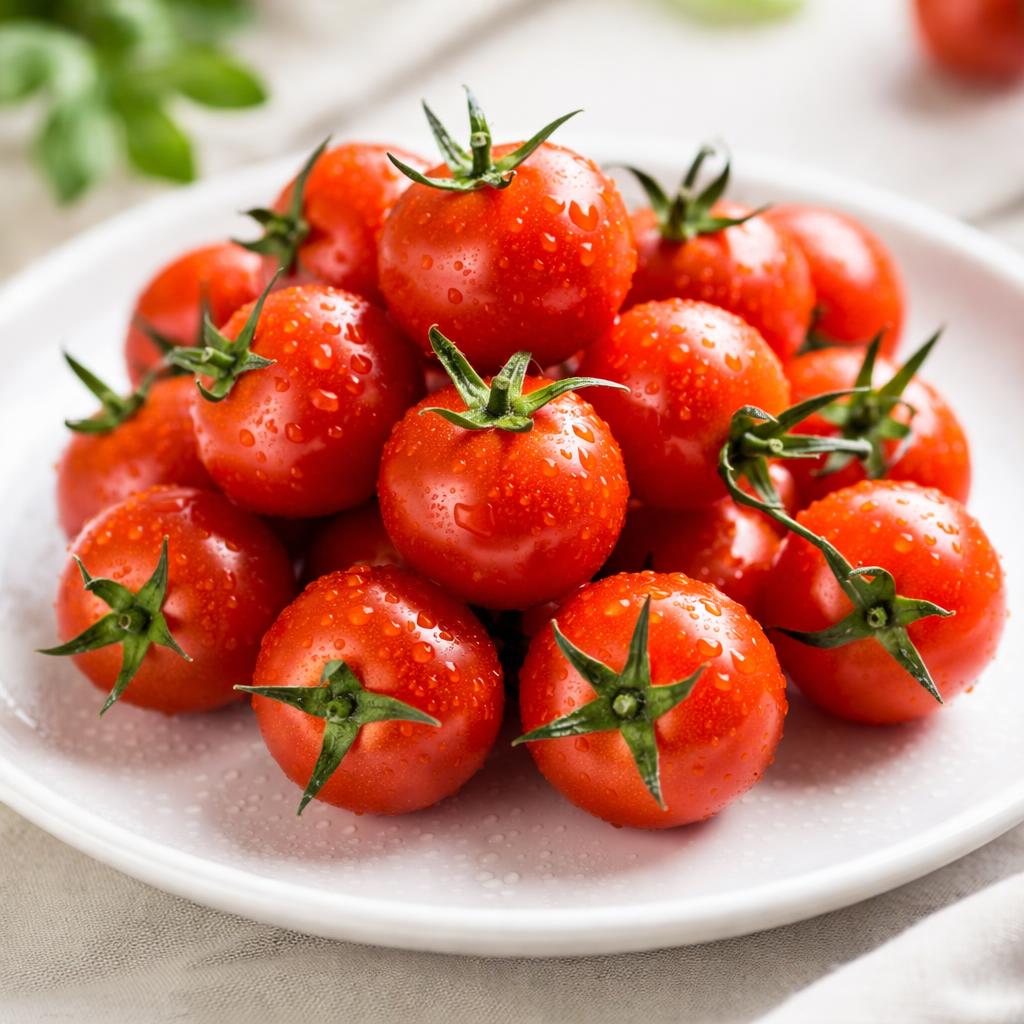
Cherry Tomatoes
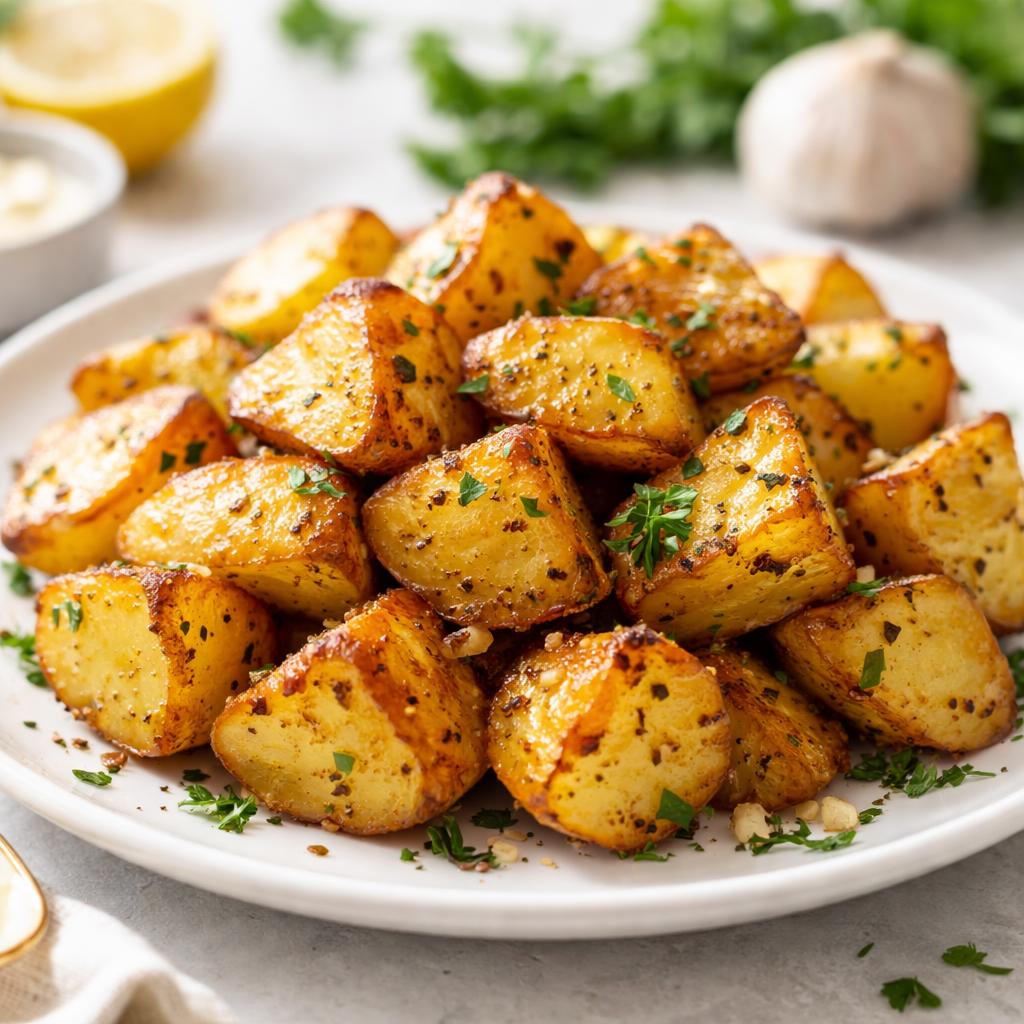
Roasted Potatoes
🎯 Quick Verdict
Cherry tomatoes are lower in calories, offer more fiber, and are rich in vitamins like Vitamin C, making them excellent for light snacking and antioxidant support. Roasted potatoes, on the other hand, are more calorie-dense, with higher protein content and healthy carbs, ideal for energy and satiety during meals.

Smart Nutrition Tracking with SnapCalorie

📊 Nutritional Comparison
Macronutrients
| Nutrient | Food 1 | Food 2 | Winner |
|---|---|---|---|
| Calories | 18 per 100g | 150 per 100g | ✓ |
| Protein | 0.9g per 100g | 2g per 100g | ✓ |
| Carbs | 3.9g per 100g | 27g per 100g | ✓ |
| Fat | 0.2g per 100g | 5g per 100g | ✓ |
| Fiber | 1.2g per 100g | 2g per 100g | ✓ |
Vitamins & Minerals
| Nutrient | Food 1 | Food 2 | Winner |
|---|---|---|---|
| Vitamin C | 25mg per 100g | 10mg per 100g | ✓ |
| Vitamin A | 1025 IU per 100g | 5 IU per 100g | ✓ |
| Potassium | 290mg per 100g | 544mg per 100g | ✓ |
🏆 Category Winners
Protein
Roasted potatoes contain more than double the protein compared to cherry tomatoes.
Fiber
While both contain fiber, roasted potatoes have slightly more than cherry tomatoes.
Calories
Cherry tomatoes are significantly lower in calories, making them ideal for weight management.
Vitamins
Cherry tomatoes are richer in Vitamin C and Vitamin A, supporting immune function and vision health.
🥗 Diet Compatibility
Keto
Food 1: Not Compatible
Food 2: Not Compatible
Both foods are relatively high in carbs.
Vegan
Food 1: Compatible
Food 2: Compatible
Both foods are plant-based and fit vegan diets.
Gluten Free
Food 1: Compatible
Food 2: Compatible
Neither contains gluten.
Paleo
Food 1: Compatible
Food 2: Compatible
Both fit the paleo diet principles since they’re whole foods.
Low-Carb
Food 1: Compatible
Food 2: Not Compatible
Cherry tomatoes are lower in carbs compared to carb-dense roasted potatoes.
💪 Health Benefits Comparison
Food 1 Benefits
- Low in calories, making them perfect for weight management
- Rich in antioxidants like Vitamin C and lycopene, promoting immune support
- Supports eye health with high Vitamin A content
Food 2 Benefits
- Provides complex carbohydrates for sustained energy
- Contains potassium for electrolyte balance and muscle function
- Higher protein content helps maintain satiety and muscle repair
✅ The Bottom Line
Choose cherry tomatoes for a lower-calorie, vitamin-rich option that supports snacking and light meals. Opt for roasted potatoes when you need a more filling, energy-dense option, especially post-workout or as a hearty side dish.
Choose Food 1 for: Low-calorie snacking, antioxidant support, salads
Choose Food 2 for: Energy replenishment, muscle maintenance, hearty meals


