Cherry Tomatoes VS Red Pepper
A detailed nutritional comparison
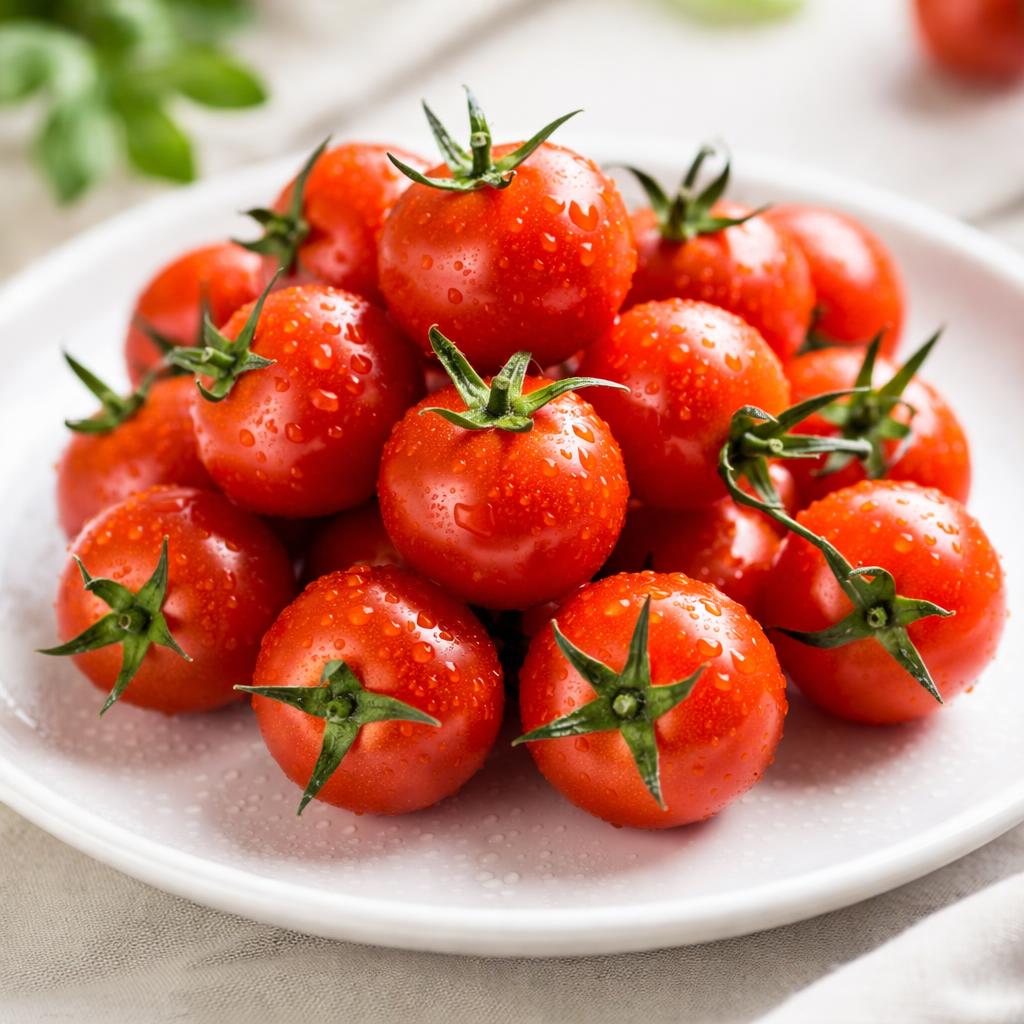
Cherry Tomatoes
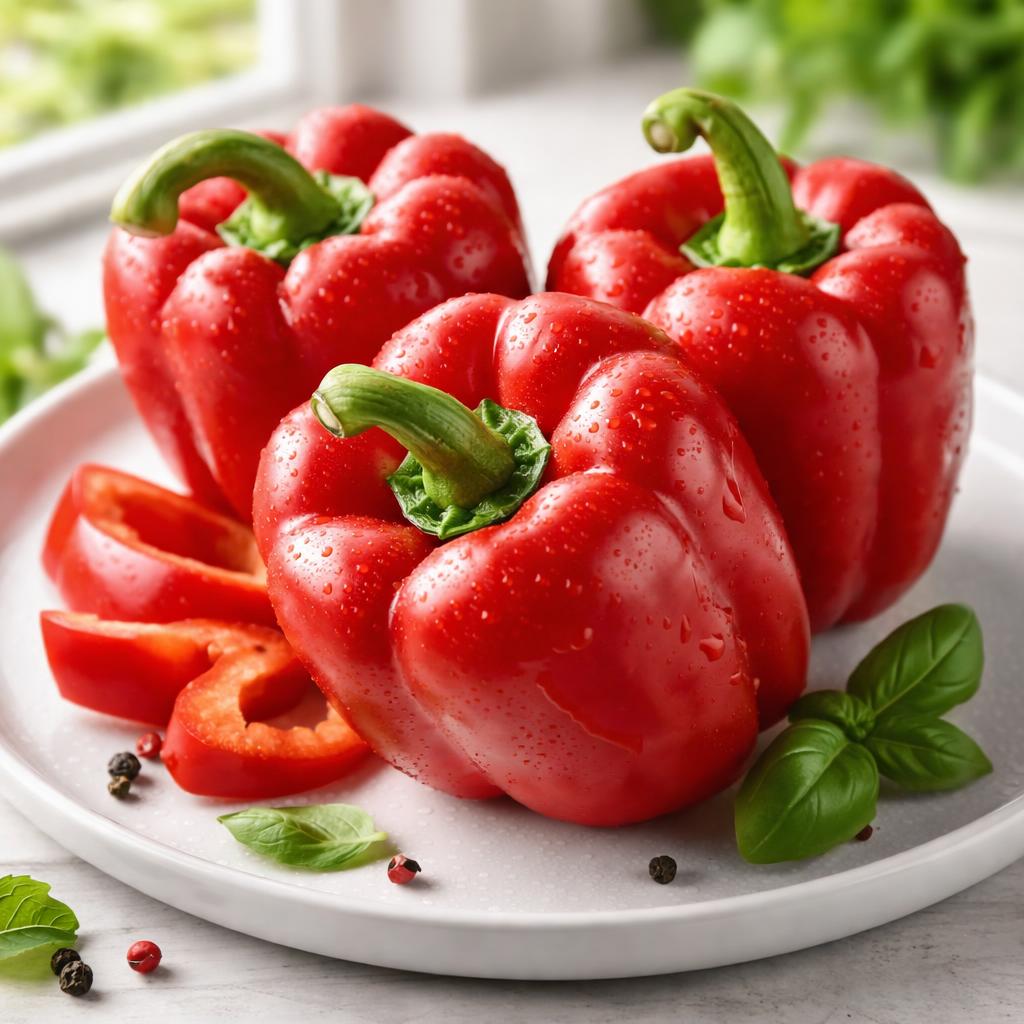
Red Pepper
🎯 Quick Verdict
Red pepper provides slightly more fiber, vitamin C, and overall micronutrients compared to cherry tomatoes, which are lower in calories and carbohydrates. Both are excellent choices for light snacking and adding vibrant color and nutrients to meals, but red pepper is superior nutritionally and versatile for dishes like salads and stir-fries.

Smart Nutrition Tracking with SnapCalorie

📊 Nutritional Comparison
Macronutrients
| Nutrient | Food 1 | Food 2 | Winner |
|---|---|---|---|
| Calories | 18 per 100g | 31 per 100g | ✓ |
| Protein | 0.9g per 100g | 0.9g per 100g | − |
| Carbs | 3.9g per 100g | 6g per 100g | ✓ |
| Fat | 0.2g per 100g | 0.1g per 100g | ✓ |
| Fiber | 1.2g per 100g | 2g per 100g | ✓ |
Vitamins & Minerals
| Nutrient | Food 1 | Food 2 | Winner |
|---|---|---|---|
| Vitamin C | 23mg per 100g | 127mg per 100g | ✓ |
| Vitamin A | 1025 IU per 100g | 3131 IU per 100g | ✓ |
| Potassium | 290mg per 100g | 211mg per 100g | ✓ |
🏆 Category Winners
Protein
Both foods contain equal amounts of protein.
Fiber
Red pepper has 66% more fiber per serving than cherry tomatoes.
Calories
Cherry tomatoes have 42% fewer calories than red pepper.
Vitamins
Red pepper is significantly richer in vitamin C and vitamin A compared to cherry tomatoes.
🥗 Diet Compatibility
Keto
Food 1: Compatible
Food 2: Compatible
Both foods are low-carb and suitable for keto diets.
Vegan
Food 1: Compatible
Food 2: Compatible
Both foods are entirely plant-based.
Gluten Free
Food 1: Compatible
Food 2: Compatible
Neither food contains gluten.
Paleo
Food 1: Compatible
Food 2: Compatible
Both foods fit paleo guidelines as natural, whole foods.
Low Carb
Food 1: Compatible
Food 2: Compatible
Each food is low in carbohydrates, with cherry tomatoes slightly lower.
💪 Health Benefits Comparison
Food 1 Benefits
- Low in calories and suitable for weight loss
- Good source of potassium for electrolyte balance
- Contains antioxidant lycopene for skin and heart health
Food 2 Benefits
- Exceptionally rich in vitamin C for immune system support
- High in vitamin A for eye health
- Provides dietary fiber for digestion and fullness
✅ The Bottom Line
Both cherry tomatoes and red pepper are nutritious and versatile, but red pepper edges out in fiber and key vitamins like A and C. Choose cherry tomatoes for ultra-low-calorie options and potassium, while red pepper is best for maximizing micronutrient intake and digestion support.
Choose Food 1 for: Low-calorie diets, snacking, potassium needs
Choose Food 2 for: Vitamin C boost, filling snacks, overall nutrient-density


