Cherry Tomatoes VS Pork
A detailed nutritional comparison
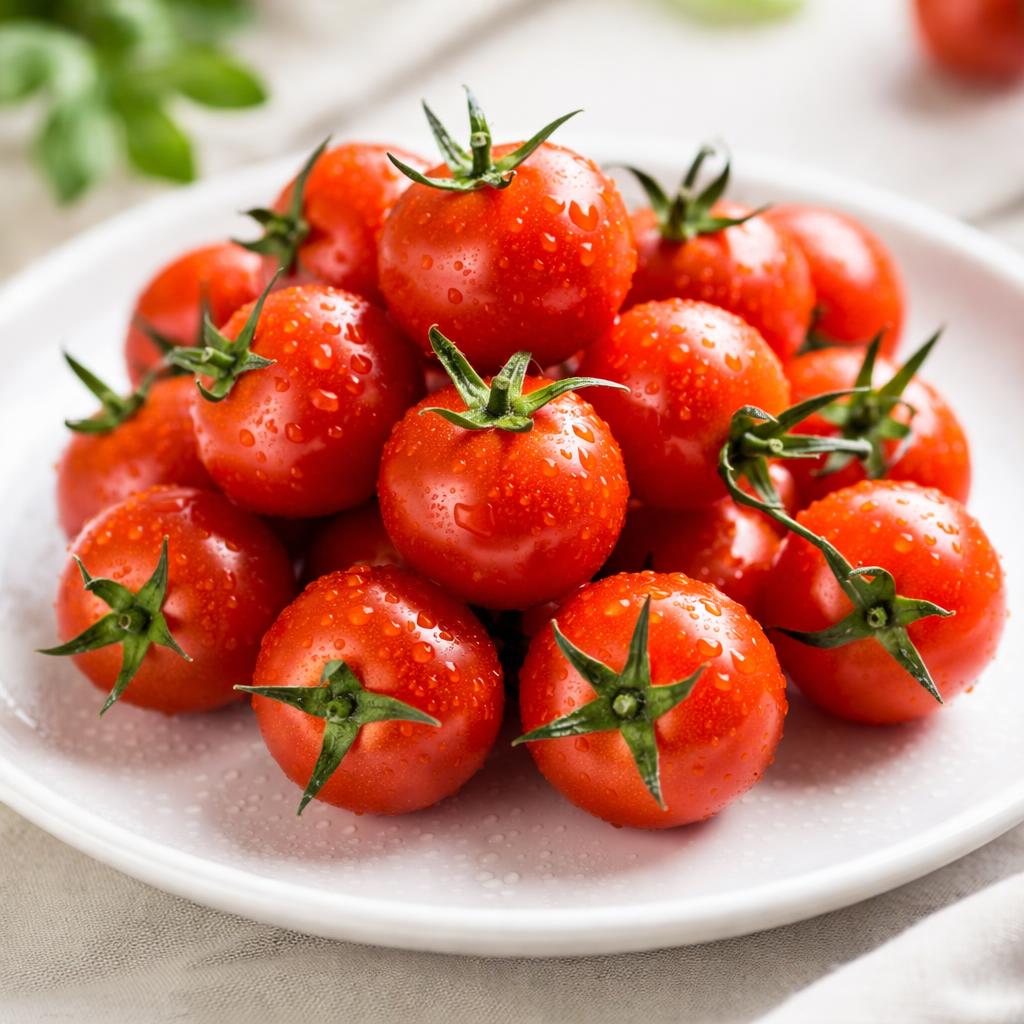
Cherry Tomatoes
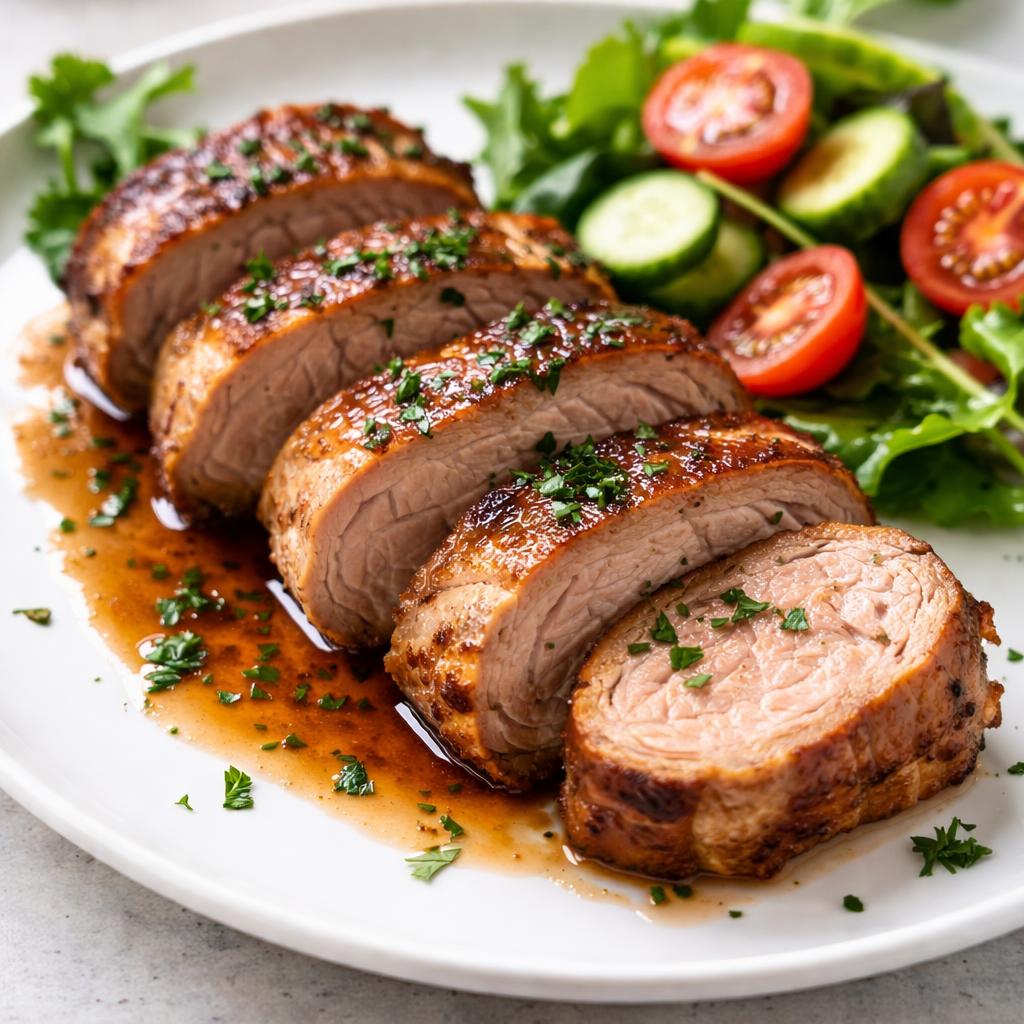
Pork
🎯 Quick Verdict
Cherry tomatoes are a low-calorie, high-fiber food rich in vitamins, making them ideal for light snacks or salads. Pork is high in protein and provides essential nutrients like iron and vitamin B12, suited for those aiming to build muscle or requiring high-protein energy sources.

Smart Nutrition Tracking with SnapCalorie

📊 Nutritional Comparison
Macronutrients
| Nutrient | Food 1 | Food 2 | Winner |
|---|---|---|---|
| Calories | 18 | 242 | ✓ |
| Protein | 0.9g | 22g | ✓ |
| Carbs | 4g | 0g | ✓ |
| Fat | 0.2g | 13.8g | ✓ |
| Fiber | 1.2g | 0g | ✓ |
Vitamins & Minerals
| Nutrient | Food 1 | Food 2 | Winner |
|---|---|---|---|
| Vitamin C | 12.7mg | 0mg | ✓ |
| Vitamin D | 0mcg | 0.9mcg | ✓ |
| Vitamin B12 | 0mcg | 0.6mcg | ✓ |
| Iron | 0.3mg | 0.7mg | ✓ |
🏆 Category Winners
Protein
Pork contains 22g of protein per 100g versus cherry tomatoes' 0.9g.
Fiber
Cherry tomatoes have 1.2g of fiber per 100g. Pork does not contain fiber.
Calories
Cherry tomatoes have only 18 calories per 100g versus pork’s 242 calories.
Vitamins
Cherry tomatoes are rich in Vitamin C. Pork excels in Vitamin D and B12. Each food has distinct vitamin advantages.
🥗 Diet Compatibility
Keto
Food 1: Compatible
Food 2: Compatible
Both are low in carbs, suitable for keto diets.
Vegan
Food 1: Compatible
Food 2: Not Compatible
Cherry tomatoes are plant-based, pork is animal-based.
Gluten Free
Food 1: Compatible
Food 2: Compatible
Neither food contains gluten.
Paleo
Food 1: Compatible
Food 2: Compatible
Both adhere to paleo guidelines.
Low-Carb
Food 1: Compatible
Food 2: Compatible
Both foods are low in carbohydrates.
💪 Health Benefits Comparison
Food 1 Benefits
- Rich in antioxidants like lycopene for heart health and anti-inflammatory effects
- Good source of Vitamin C to support immunity
- Low-calorie and high-fiber content aids in digestion and weight management
Food 2 Benefits
- Excellent source of high-quality protein for muscle growth and repair
- Contains B vitamins for energy production and cellular health
- Provides iron to prevent anemia and promote blood oxygen transport
✅ The Bottom Line
Choose cherry tomatoes for a low-calorie, nutrient-rich snack or salad that boosts fiber and antioxidants. Opt for pork when your priority is high-quality protein and essential nutrients like vitamin B12 and iron. Each food can complement different dietary goals.
Choose Food 1 for: Weight management, antioxidant boosts, vegan diets
Choose Food 2 for: High-protein diets, muscle building, energy-intensive meals


