Cherry Tomatoes VS Penne Pasta
A detailed nutritional comparison
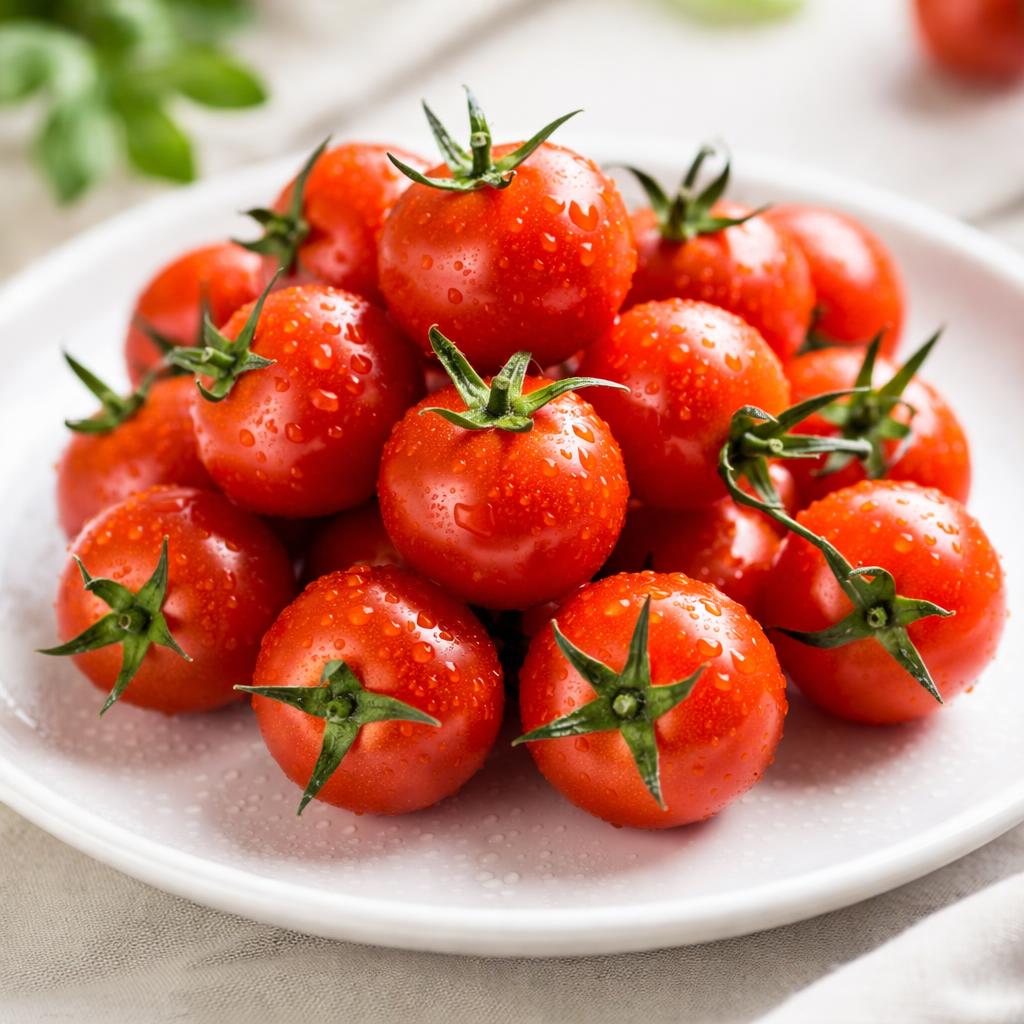
Cherry Tomatoes
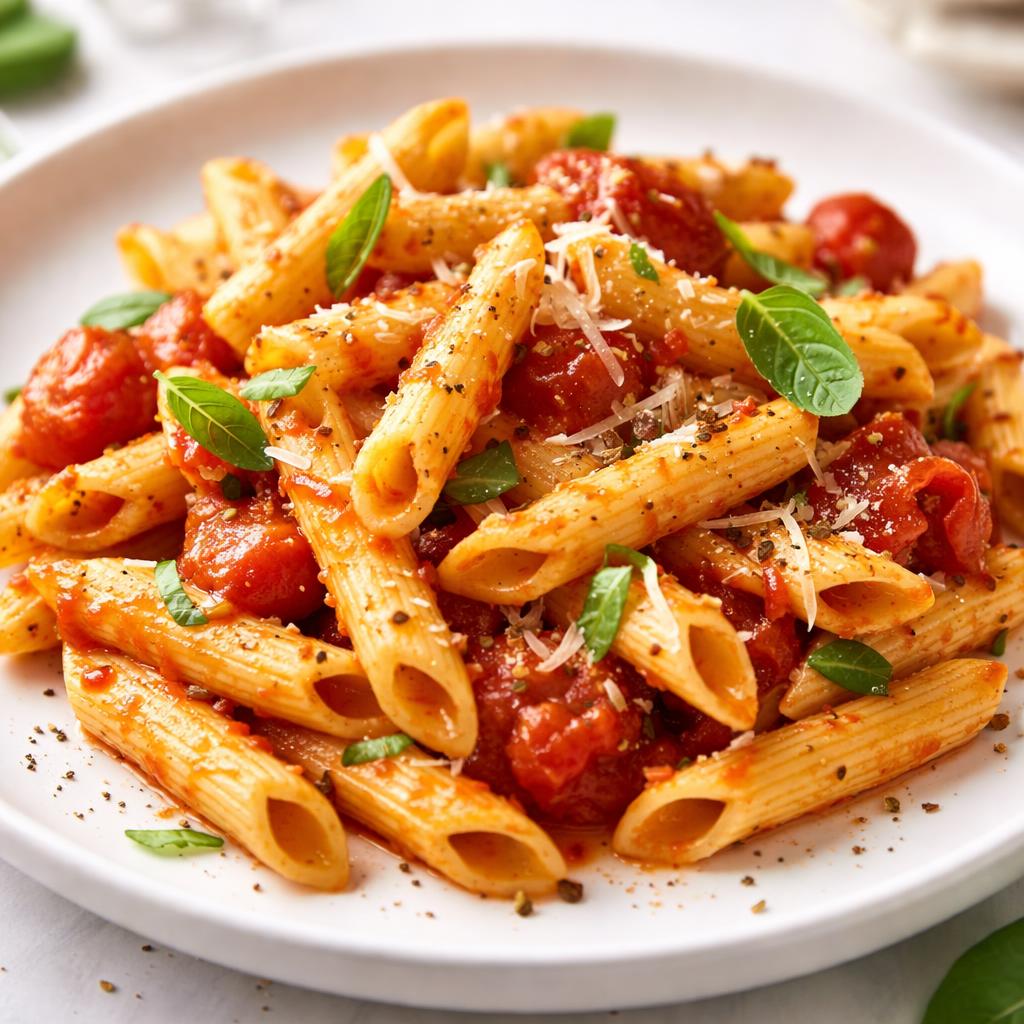
Penne Pasta
🎯 Quick Verdict
Cherry tomatoes are low in calories, high in fiber, and provide essential vitamins like Vitamin C, making them excellent for low-calorie diets and nutrient-dense snacking. Penne pasta, while higher in calories, offers greater protein and sustained energy for fueling active lifestyles. Both foods have distinct purposes depending on dietary goals and needs.

Smart Nutrition Tracking with SnapCalorie

📊 Nutritional Comparison
Macronutrients
| Nutrient | Food 1 | Food 2 | Winner |
|---|---|---|---|
| Calories | 18 per 100g | 350 per 100g | ✓ |
| Protein | 0.9g per 100g | 12.5g per 100g | ✓ |
| Carbs | 3.9g per 100g | 74.5g per 100g | ✓ |
| Fat | 0.2g per 100g | 1.4g per 100g | ✓ |
| Fiber | 1.2g per 100g | 2g per 100g | ✓ |
Vitamins & Minerals
| Nutrient | Food 1 | Food 2 | Winner |
|---|---|---|---|
| Vitamin C | 14mg per 100g | 0mg per 100g | ✓ |
| Vitamin A | 833 IU per 100g | 0 IU per 100g | ✓ |
| Calcium | 10mg per 100g | 16mg per 100g | ✓ |
| Iron | 0.3mg per 100g | 0.8mg per 100g | ✓ |
🏆 Category Winners
Protein
Penne pasta contains significantly more protein (12.5g vs 0.9g per 100g).
Fiber
While cherry tomatoes provide good fiber (1.2g), penne pasta offers slightly more (2g per 100g).
Calories
Cherry tomatoes are extremely low-calorie (18 calories vs 350 calories per 100g).
Vitamins
Cherry tomatoes are abundant in Vitamin C and Vitamin A, while penne pasta lacks these essential vitamins.
🥗 Diet Compatibility
Keto
Food 1: Compatible
Food 2: Not Compatible
Food1 is low-carb (3.9g per 100g). Penne pasta is high-carb (74.5g per 100g).
Vegan
Food 1: Compatible
Food 2: Compatible
Both foods are plant-based and suitable for vegan diets.
Gluten Free
Food 1: Compatible
Food 2: Not Compatible
Food2 contains gluten unless made specifically gluten-free; cherry tomatoes are naturally gluten-free.
Paleo
Food 1: Compatible
Food 2: Not Compatible
Cherry tomatoes fit paleolithic principles, whereas pasta is processed and not paleo-friendly.
Low Carb
Food 1: Compatible
Food 2: Not Compatible
Cherry tomatoes are low in carbohydrates, while penne pasta is high-carb.
💪 Health Benefits Comparison
Food 1 Benefits
- Rich in Vitamin C for immune system support
- Low-calorie, ideal for weight management
- Good source of antioxidants to fight inflammation
- Supports healthy eyesight due to Vitamin A content
Food 2 Benefits
- Provides a steady source of energy from complex carbohydrates
- Higher protein content supports muscle maintenance
- Contains trace minerals like calcium and iron for bone and blood health
- Pairs well with nutrient-rich sauces for a balanced meal
✅ The Bottom Line
Choose cherry tomatoes for snacks, salads, and low-calorie meals to boost nutrient density with minimal calories. Opt for penne pasta as a satisfying, protein-rich carb source for active individuals needing sustained energy. Both foods serve different dietary purposes and can complement one another in a balanced diet.
Choose Food 1 for: Low-calorie diets, nutrient-dense snacking, immune support
Choose Food 2 for: Active lifestyles, muscle maintenance, carb-loading


