Cherry Tomatoes VS Olive
A detailed nutritional comparison
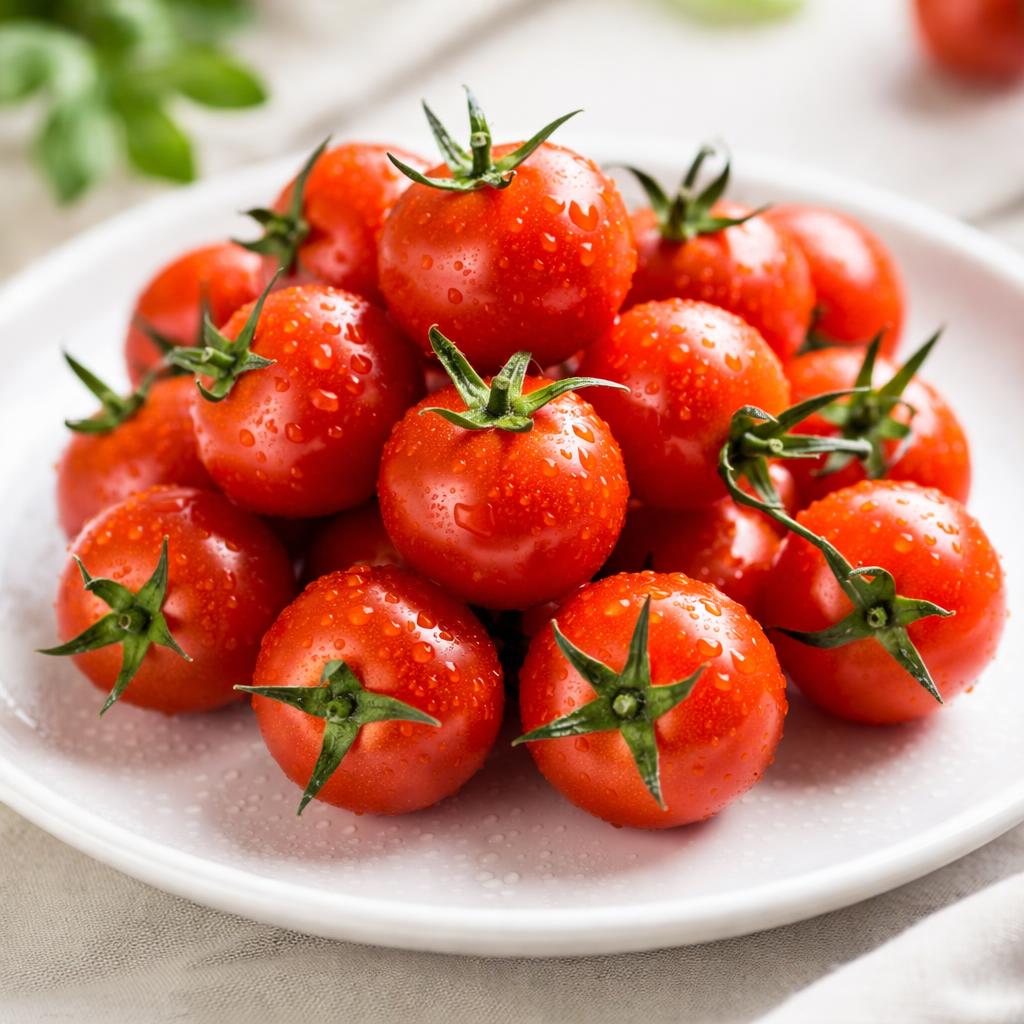
Cherry Tomatoes
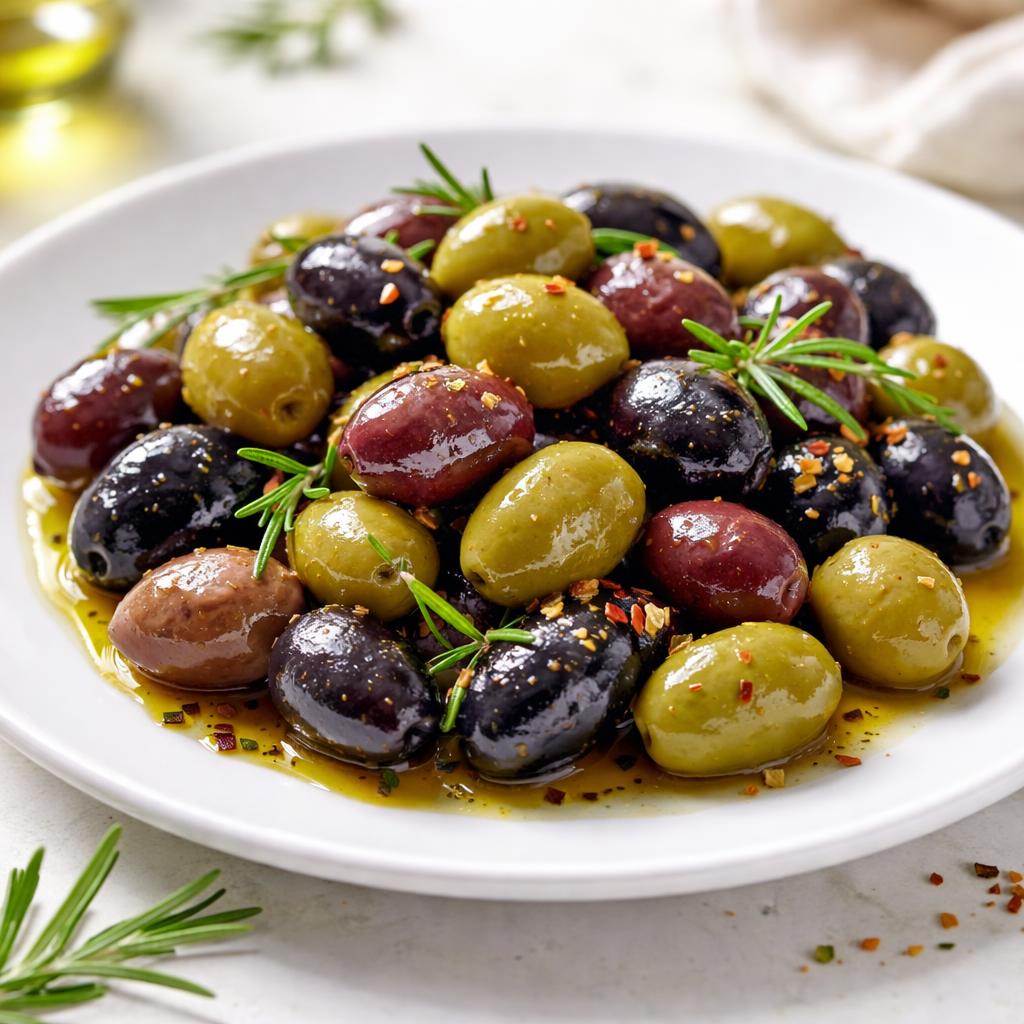
Olive
🎯 Quick Verdict
Cherry tomatoes are low in calories, rich in vitamin C, and great for weight management, while olives are higher in healthy fats and fiber, making them ideal for heart health and satiety. Choose cherry tomatoes for a light snack or olives for a nutrient-dense addition to meals.

Smart Nutrition Tracking with SnapCalorie

📊 Nutritional Comparison
Macronutrients
| Nutrient | Food 1 | Food 2 | Winner |
|---|---|---|---|
| Calories | 18 (per 100g) | 115 (per 100g) | ✓ |
| Protein | 0.9g | 0.8g | ✓ |
| Carbs | 3.9g | 6.3g | ✓ |
| Fat | 0.2g | 10.7g | ✓ |
| Fiber | 1.2g | 3.3g | ✓ |
Vitamins & Minerals
| Nutrient | Food 1 | Food 2 | Winner |
|---|---|---|---|
| Vitamin C | 13.7mg | 0.0mg | ✓ |
| Vitamin A | 1025 IU | 346 IU | ✓ |
| Vitamin E | 0.54mg | 1.65mg | ✓ |
| Iron | 0.3mg | 3.3mg | ✓ |
🏆 Category Winners
Protein
Cherry tomatoes slightly edge out with marginally more protein per serving.
Fiber
Olives provide nearly three times the fiber, making them ideal for digestive health.
Calories
Cherry tomatoes are extremely low-calorie, perfect for weight loss efforts.
Vitamins
Cherry tomatoes excel in vitamin C and vitamin A, supporting immunity and vision health.
🥗 Diet Compatibility
Keto
Food 1: Limited compatibility
Food 2: Compatible
Olives are high-fat and keto-friendly, while cherry tomatoes are slightly higher in carbs.
Vegan
Food 1: Compatible
Food 2: Compatible
Both foods are plant-based.
Gluten Free
Food 1: Compatible
Food 2: Compatible
Neither contains gluten.
Paleo
Food 1: Compatible
Food 2: Compatible
Both align with paleo guidelines as unprocessed whole foods.
Low Carb
Food 1: Moderately compatible
Food 2: Compatible
Olives are very low-carb, while cherry tomatoes have slightly higher carb content.
💪 Health Benefits Comparison
Food 1 Benefits
- Low in calories, ideal for weight maintenance
- Rich in vitamin C for immunity boost
- Contains vitamin A for improved vision health
- Good source of antioxidants for reducing inflammation
Food 2 Benefits
- High in healthy monounsaturated fats for heart health
- Rich in fiber to support digestion and prolonged satiety
- Contains iron to support oxygen transport in the body
- Provides vitamin E to combat oxidative stress
✅ The Bottom Line
Choose cherry tomatoes when you need a low-calorie, vitamin-rich snack or ingredient for weight management and immunity support. Opt for olives as a nutrient-dense option to add healthy fats, fiber, and minerals to meals. Best use depends on dietary priorities.
Choose Food 1 for: Weight loss, immunity boost, light snacking
Choose Food 2 for: Heart health, sustained energy, mineral intake


