Cherry Tomatoes VS Oat
A detailed nutritional comparison
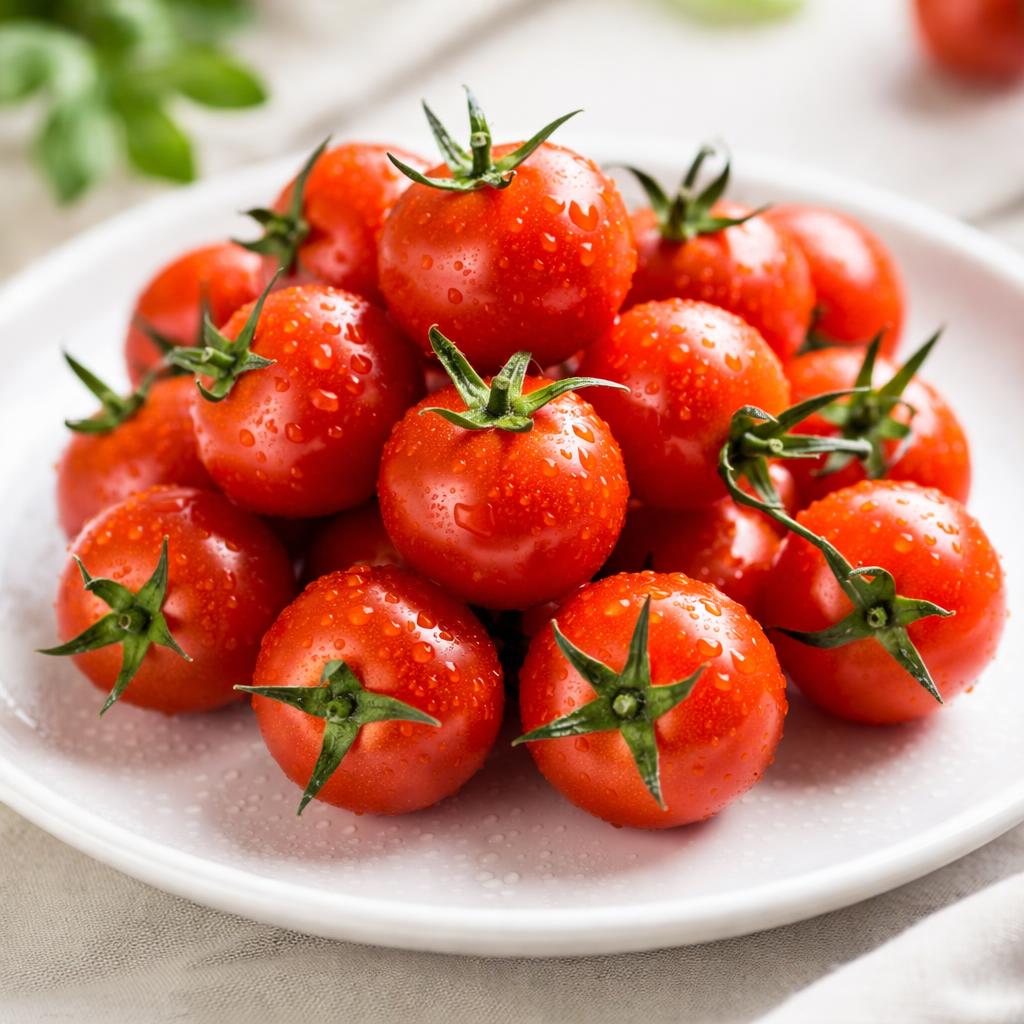
Cherry Tomatoes
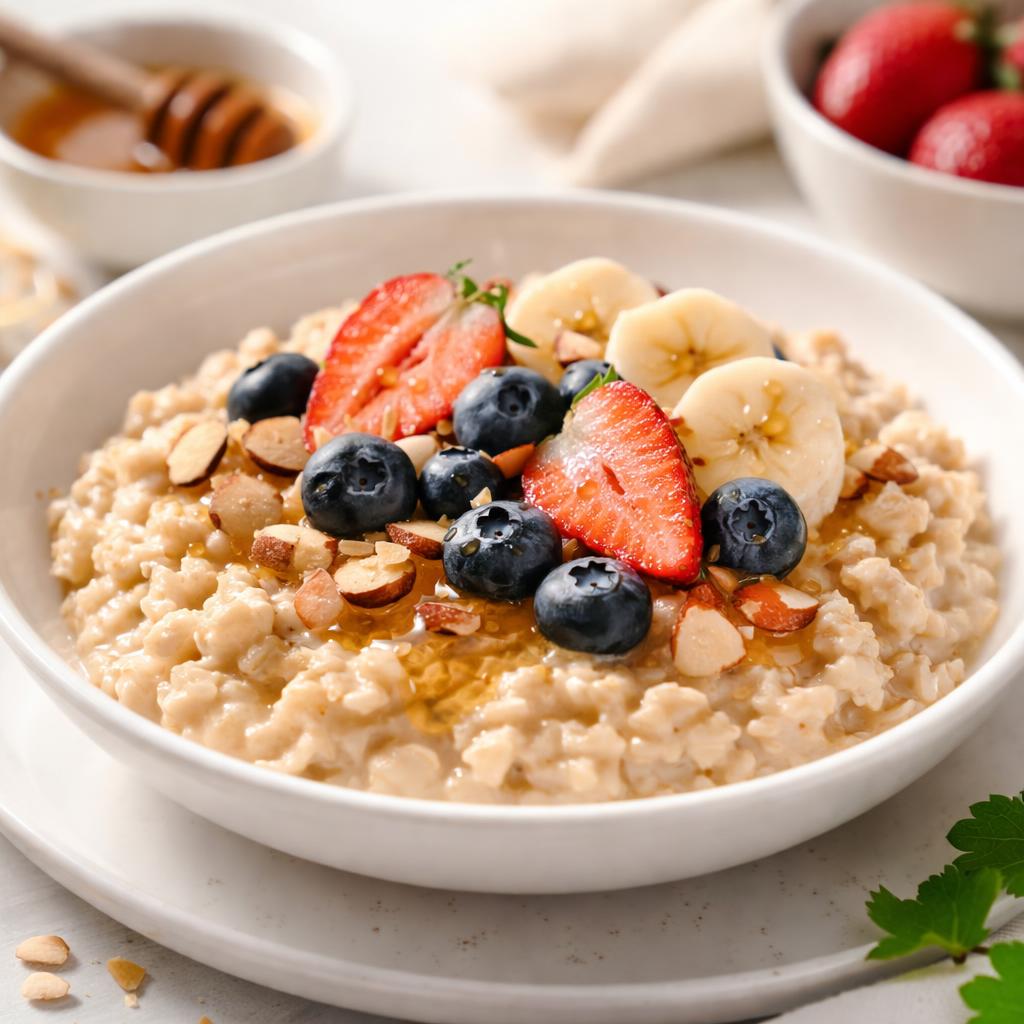
Oat
🎯 Quick Verdict
Cherry tomatoes are lower in calories and offer hydration and essential vitamins like vitamin C, making them great for light snacks and salads. Oats are higher in protein, fiber, and energy, making them ideal for sustained energy and heart health. The choice depends on whether you're aiming for lower calorie-density or nutrient-rich energy.

Smart Nutrition Tracking with SnapCalorie

📊 Nutritional Comparison
Macronutrients
| Nutrient | Food 1 | Food 2 | Winner |
|---|---|---|---|
| Calories | 18 (per 100g) | 389 (per 100g) | ✓ |
| Protein | 0.9g (per 100g) | 16.9g (per 100g) | ✓ |
| Carbs | 3.9g (per 100g) | 66.3g (per 100g) | ✓ |
| Fat | 0.2g (per 100g) | 6.9g (per 100g) | ✓ |
| Fiber | 1.2g (per 100g) | 10.6g (per 100g) | ✓ |
Vitamins & Minerals
| Nutrient | Food 1 | Food 2 | Winner |
|---|---|---|---|
| Vitamin C | 23mg (per 100g) | 0mg (per 100g) | ✓ |
| Vitamin A | 1025 IU (per 100g) | 0 IU (per 100g) | ✓ |
| Iron | 0.3mg (per 100g) | 4.7mg (per 100g) | ✓ |
| Calcium | 10mg (per 100g) | 54mg (per 100g) | ✓ |
🏆 Category Winners
Protein
Oats have significantly higher protein content (16.9g vs 0.9g per 100g).
Fiber
Oats contain more fiber (10.6g vs 1.2g per 100g), aiding digestion and satiety.
Calories
Cherry tomatoes are very low-calorie at 18 calories per 100g, compared to oats at 389 calories.
Vitamins
Cherry tomatoes provide high levels of vitamin C and vitamin A.
🥗 Diet Compatibility
Keto
Food 1: Compatible
Food 2: Not Compatible
Cherry tomatoes are low-carb (3.9g per 100g), while oats are high-carb (66.3g per 100g).
Vegan
Food 1: Compatible
Food 2: Compatible
Both cherry tomatoes and oats are plant-based and vegan-friendly.
Gluten Free
Food 1: Compatible
Food 2: Not Compatible
Cherry tomatoes are naturally gluten-free, while oats can contain gluten unless certified gluten-free.
Paleo
Food 1: Compatible
Food 2: Not Compatible
Cherry tomatoes align with paleo principles, but oats are not paleo-compliant due to their grain status.
Low-Carb
Food 1: Compatible
Food 2: Not Compatible
Cherry tomatoes are low in carbohydrates (3.9g per 100g), while oats are high in carbohydrates.
💪 Health Benefits Comparison
Food 1 Benefits
- Hydrating and low-calorie for weight management
- Rich in vitamin C for immune support and antioxidant protection
- Contains vitamin A for eye health
Food 2 Benefits
- High in fiber to support digestion and heart health
- Provides sustained energy due to complex carbohydrates
- Contains plant protein for muscle repair and growth
- Rich in minerals like iron and magnesium for overall wellness
✅ The Bottom Line
Choose cherry tomatoes when you need a light, refreshing option or are minimizing calorie intake. Opt for oats when needing a nutrient-dense energy source or additional fiber and protein for heart health and muscle repair.
Choose Food 1 for: Low-calorie snacks, hydration, immune boost
Choose Food 2 for: Breakfast, sustained energy, heart health and digestion support


