Cherry Tomatoes VS Mozzarella
A detailed nutritional comparison
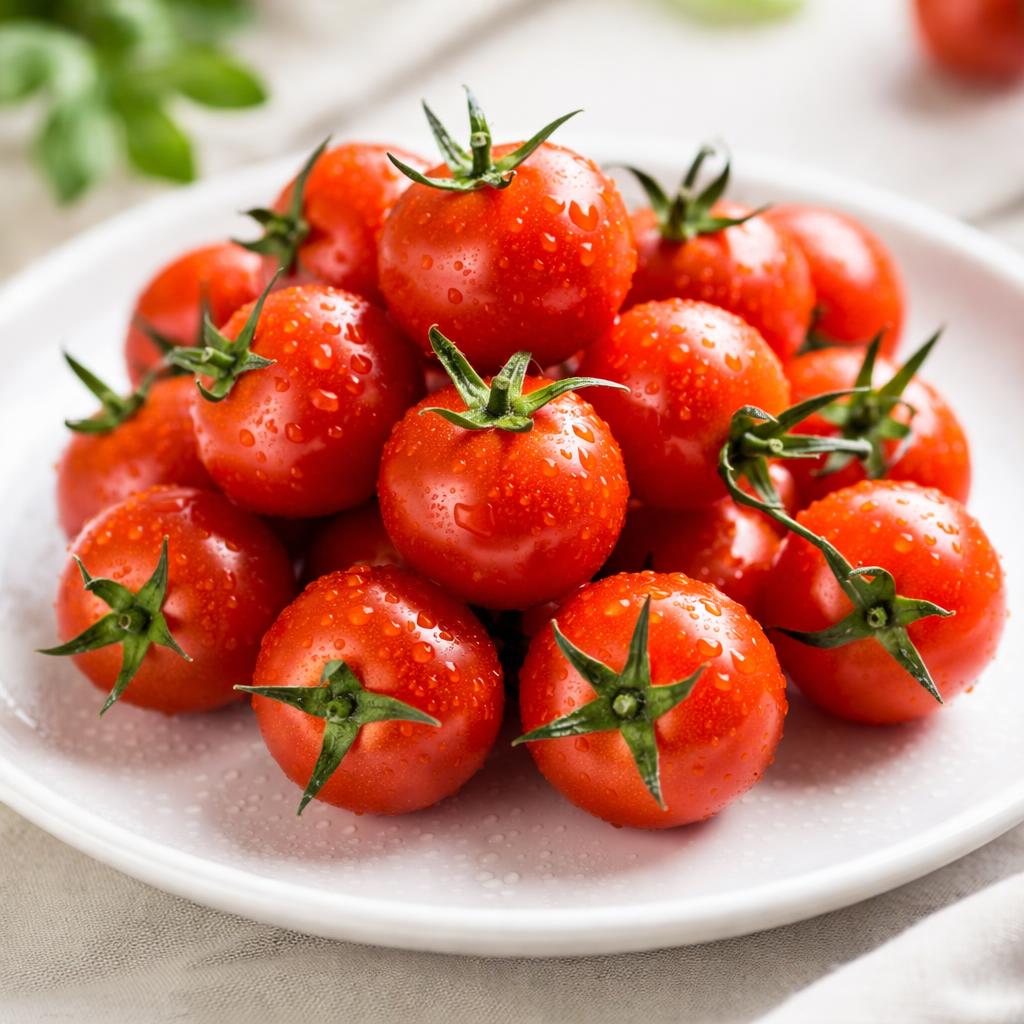
Cherry Tomatoes
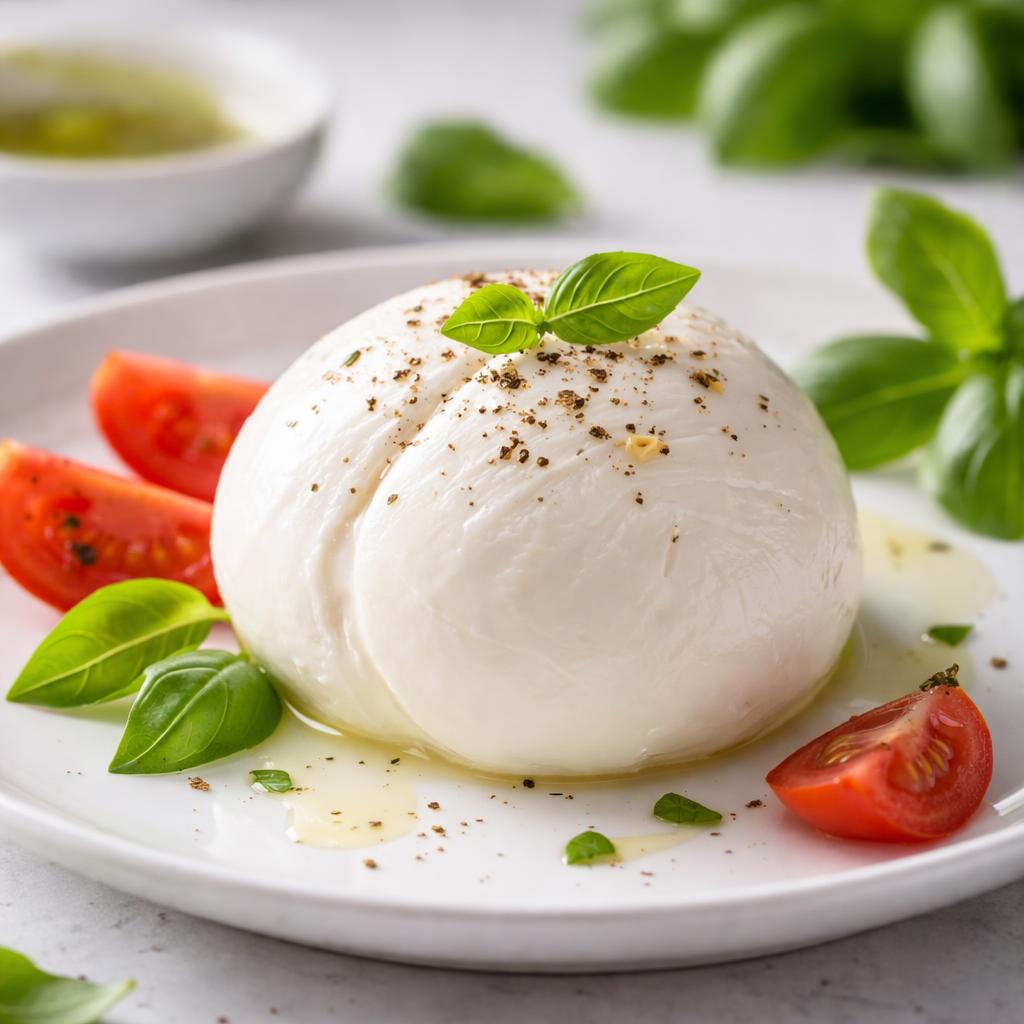
Mozzarella
🎯 Quick Verdict
Cherry tomatoes are a low-calorie, nutrient-dense option rich in fiber and vitamins, making them ideal for light, plant-based diets. Mozzarella provides more protein and calcium but is higher in calories and fat, making it better suited for those aiming to increase muscle or bone health. Both foods complement each other and fit different diet goals and purposes.

Smart Nutrition Tracking with SnapCalorie

📊 Nutritional Comparison
Macronutrients
| Nutrient | Food 1 | Food 2 | Winner |
|---|---|---|---|
| Calories | 18 (per 100g) | 280 (per 100g) | ✓ |
| Protein | 0.9g | 22g | ✓ |
| Carbs | 3.9g | 1g | ✓ |
| Fat | 0.2g | 22g | ✓ |
| Fiber | 1.2g | 0g | ✓ |
Vitamins & Minerals
| Nutrient | Food 1 | Food 2 | Winner |
|---|---|---|---|
| Vitamin C | 25mg | 0mg | ✓ |
| Calcium | 13mg | 505mg | ✓ |
| Iron | 0.3mg | 0.2mg | ✓ |
| Vitamin A | 1025 IU | 476 IU | ✓ |
🏆 Category Winners
Protein
Mozzarella contains significantly more protein (22g vs 0.9g per 100g).
Fiber
Cherry tomatoes provide natural fiber (1.2g vs 0g per 100g).
Calories
Cherry tomatoes are much lower in calories (18 vs 280 per 100g).
Vitamins
Cherry tomatoes offer higher vitamin C and A content per serving.
🥗 Diet Compatibility
Keto
Food 1: Compatible
Food 2: Compatible
Both foods have low carbohydrate content suitable for keto diets.
Vegan
Food 1: Compatible
Food 2: Not Compatible
Cherry tomatoes are plant-based, while mozzarella is a dairy product.
Gluten Free
Food 1: Compatible
Food 2: Compatible
Neither contain gluten.
Paleo
Food 1: Compatible
Food 2: Compatible
Both foods fit the paleo guidelines for whole, unprocessed foods.
Low-Carb
Food 1: Compatible
Food 2: Compatible
Both foods are low in carbohydrates and suitable for low-carb diets.
💪 Health Benefits Comparison
Food 1 Benefits
- High in antioxidants like vitamin C, which boost immune health
- Low in calories, ideal for weight loss
- Contains dietary fiber to improve digestion
- Rich in vitamin A for eye health
Food 2 Benefits
- Excellent source of protein for muscle maintenance and growth
- High in calcium for strong bones and teeth
- Contains healthy fats to support energy levels
- Rich in selenium and zinc, which have antioxidant properties
✅ The Bottom Line
Choose cherry tomatoes for a low-calorie, fiber-rich addition to meals or snacks, perfect for weight loss and plant-based diets. Select mozzarella if you need a high-protein, calcium-dense option, especially beneficial for muscle growth or bone health. Pairing both foods together in salads or dishes creates a balanced combination of nutrients.
Choose Food 1 for: Weight loss, plant-based diets, immune health
Choose Food 2 for: Muscle building, bone health, keto diets


