Cherry Tomatoes VS Lettuce Salad
A detailed nutritional comparison
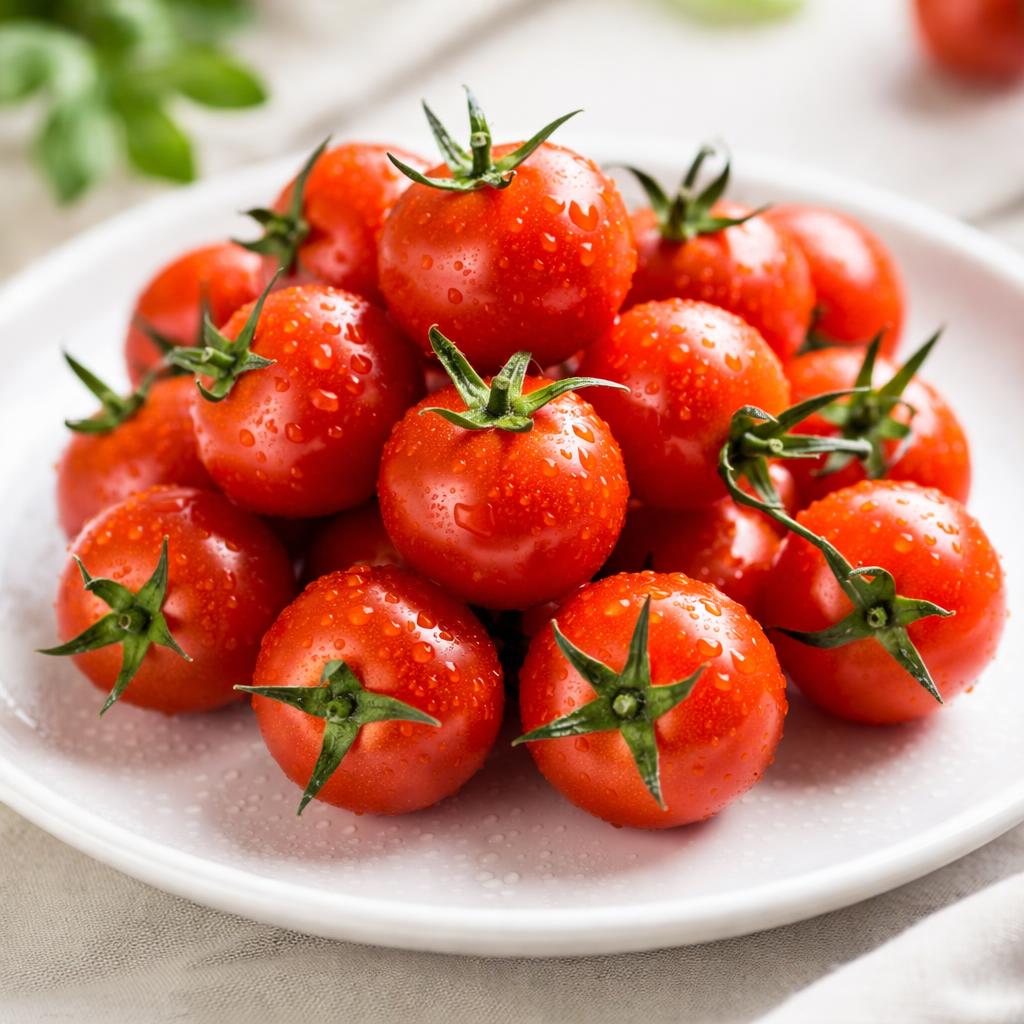
Cherry Tomatoes
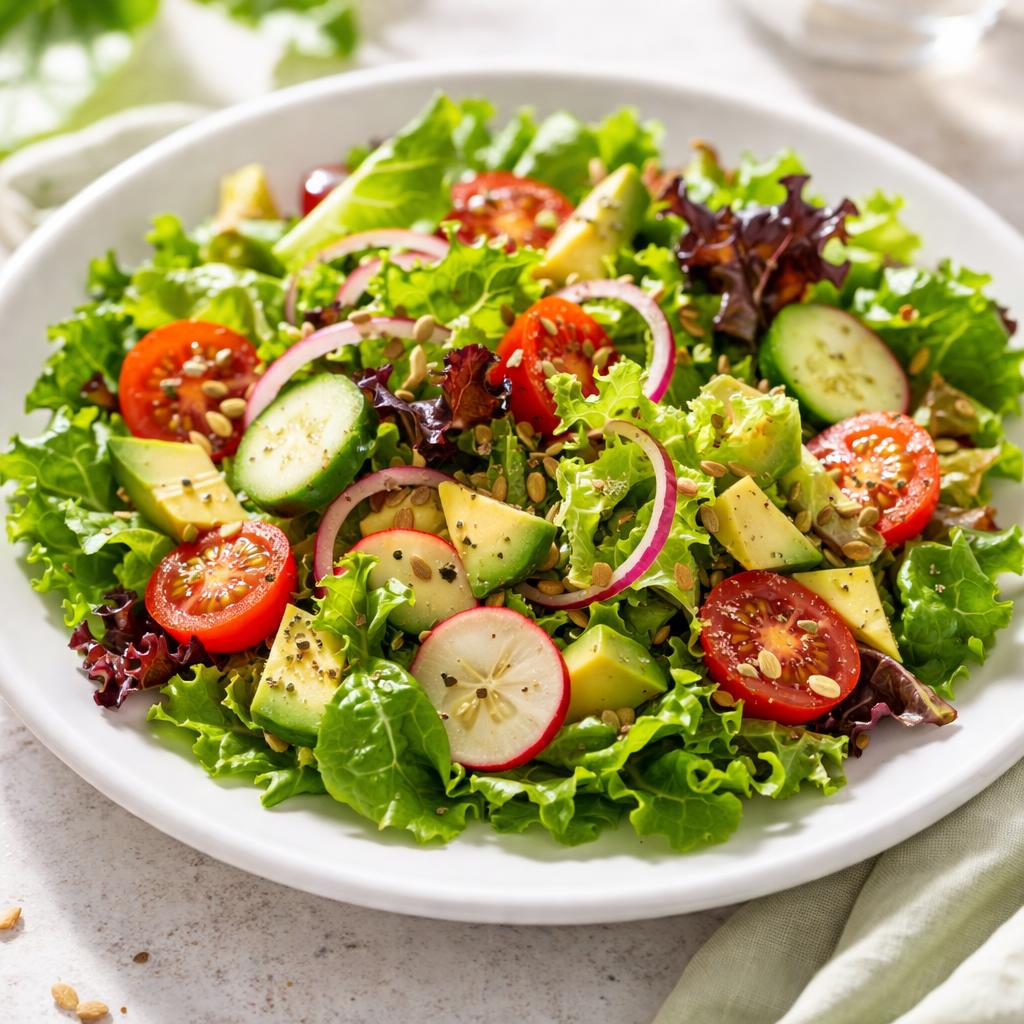
Lettuce Salad
🎯 Quick Verdict
Cherry tomatoes and lettuce salad are both nutrient-dense, low-calorie options. Cherry tomatoes provide more protein, fiber, and several vitamins such as vitamin C, while lettuce has fewer calories and is an excellent base for salads. Cherry tomatoes are ideal for snacks or nutrient boosts, whereas lettuce offers versatility as a low-calorie filler in meals.

Smart Nutrition Tracking with SnapCalorie

📊 Nutritional Comparison
Macronutrients
| Nutrient | Food 1 | Food 2 | Winner |
|---|---|---|---|
| Calories | 18 | 10 | ✓ |
| Protein | 1g | 0.5g | ✓ |
| Carbs | 3.9g | 2g | ✓ |
| Fat | 0.2g | 0g | ✓ |
| Fiber | 1.2g | 0.5g | ✓ |
Vitamins & Minerals
| Nutrient | Food 1 | Food 2 | Winner |
|---|---|---|---|
| Vitamin C | 18mg | 3mg | ✓ |
| Vitamin A | 1025IU | 740IU | ✓ |
| Potassium | 237mg | 150mg | ✓ |
🏆 Category Winners
Protein
Cherry tomatoes have double the protein compared to lettuce salad.
Fiber
Cherry tomatoes contain over twice as much fiber as lettuce salad.
Calories
Lettuce salad is lower in calories with only 10 calories per serving.
Vitamins
Cherry tomatoes are richer in vitamins C and A as well as potassium.
🥗 Diet Compatibility
Keto
Food 1: Not Compatible
Food 2: Compatible
Food1 has higher carbs, while lettuce salad is very low-carb.
Vegan
Food 1: Compatible
Food 2: Compatible
Both are entirely plant-based.
Gluten Free
Food 1: Compatible
Food 2: Compatible
Neither food contains gluten.
Paleo
Food 1: Compatible
Food 2: Compatible
Both are whole, unprocessed foods that align with paleo diets.
Low Carb
Food 1: Not Compatible
Food 2: Compatible
Lettuce is lower in carbs and suitable for strict low-carb diets.
💪 Health Benefits Comparison
Food 1 Benefits
- Rich in vitamin C for immune system support
- Good source of fiber for digestion
- Contains potassium for cardiovascular health
- Provides antioxidants that help combat inflammation
Food 2 Benefits
- Low in calories, ideal for weight management
- Provides hydration due to high water content
- Rich in vitamin A for eye health
- Versatile base for nutrient-packed salads
✅ The Bottom Line
Choose cherry tomatoes for their nutrient density, especially if you need a convenient source of fiber, vitamins, and antioxidants. Lettuce salad, on the other hand, is perfect for very low-calorie meal bases or keto/low-carb diets. Both are great additions to a healthy eating plan depending on your needs.
Choose Food 1 for: Snacks, nutrient boost, digestion support, immune health
Choose Food 2 for: Weight management, keto/low-carb meals, hydration


