Cherry Tomatoes VS Kefir
A detailed nutritional comparison
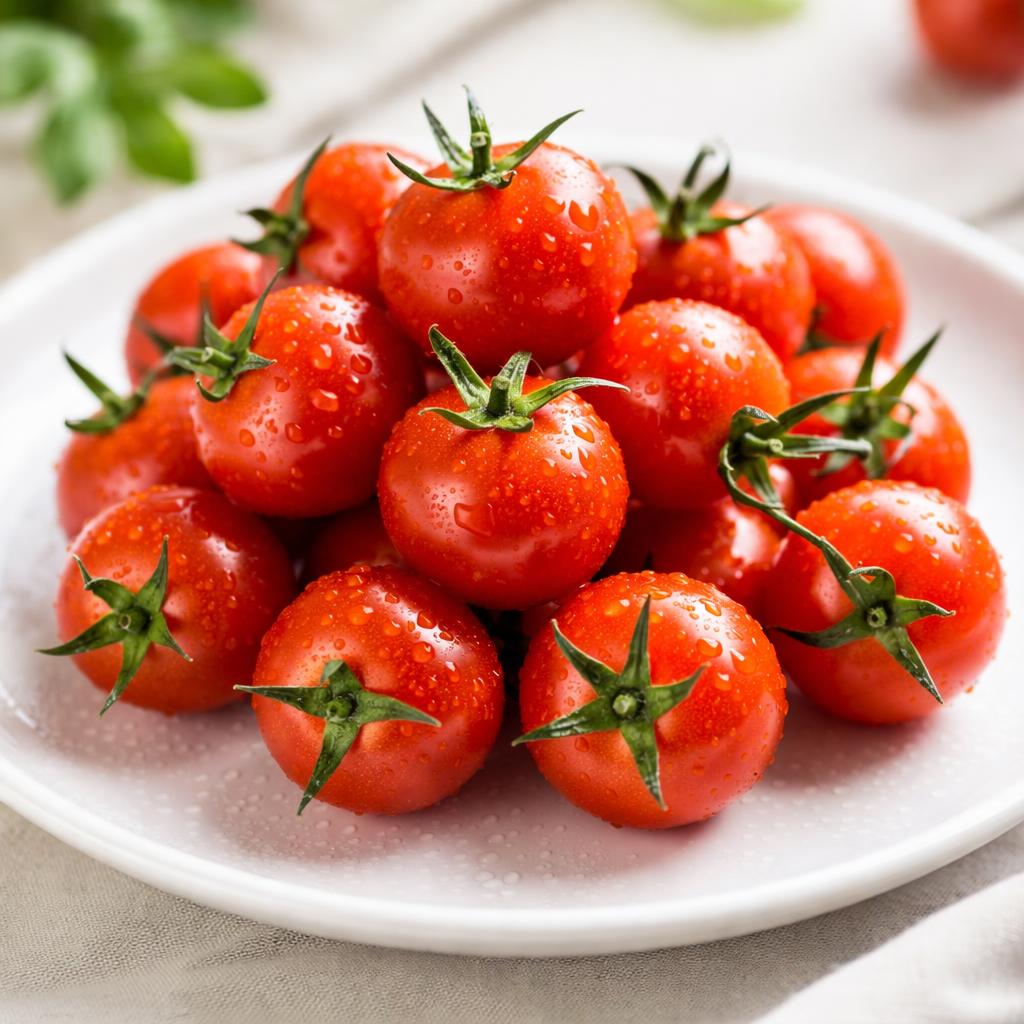
Cherry Tomatoes
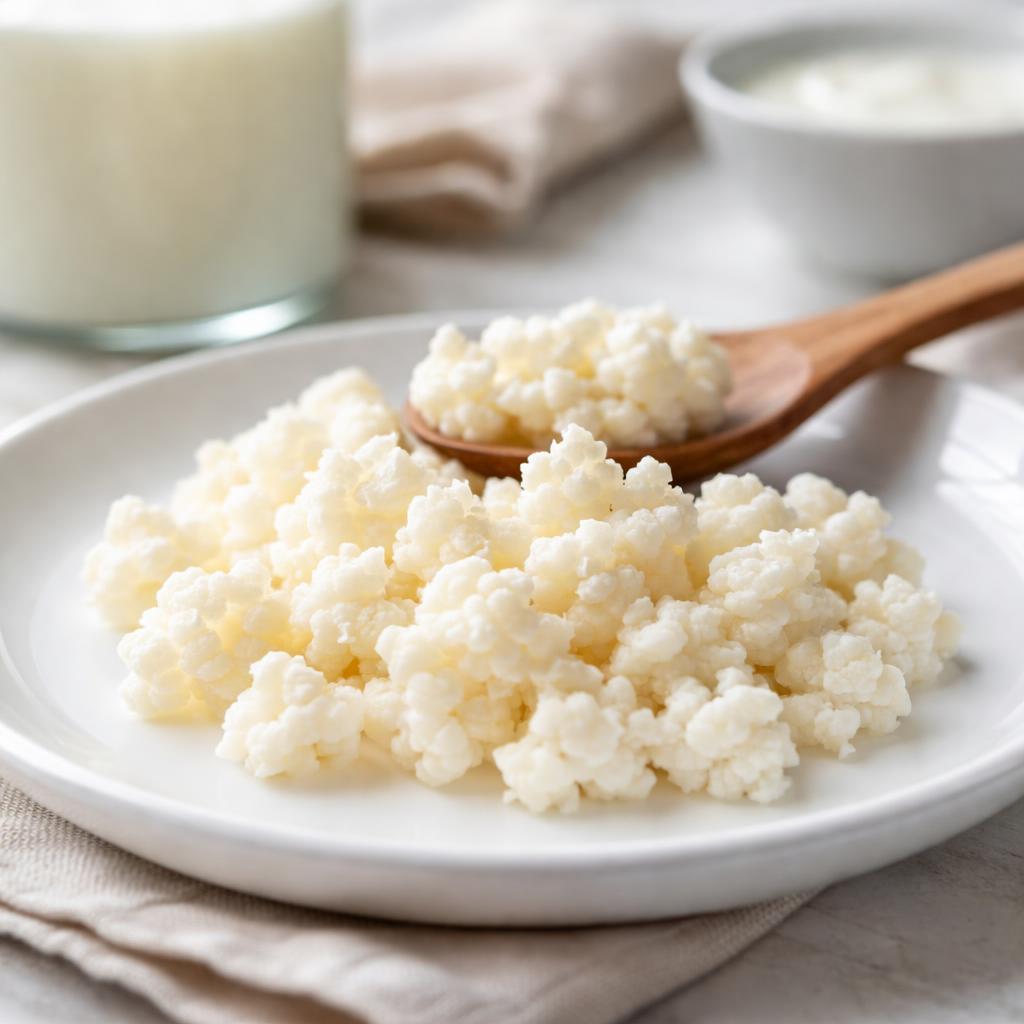
Kefir
🎯 Quick Verdict
Cherry tomatoes are lower in calories and higher in fiber, making them ideal for light snacks or salads. Kefir, however, is higher in protein and beneficial probiotics, making it great for gut health and post-workout recovery. Both offer distinct nutritional advantages depending on dietary needs and goals.

Smart Nutrition Tracking with SnapCalorie
📊 Nutritional Comparison
Macronutrients
| Nutrient | Food 1 | Food 2 | Winner |
|---|---|---|---|
| Calories | 18 per 100g | 58 per 100g | ✓ |
| Protein | 0.9g per 100g | 3.4g per 100g | ✓ |
| Carbs | 3.9g per 100g | 4.4g per 100g | ✓ |
| Fat | 0.2g per 100g | 1g per 100g | ✓ |
| Fiber | 1.2g per 100g | 0g | ✓ |
Vitamins & Minerals
| Nutrient | Food 1 | Food 2 | Winner |
|---|---|---|---|
| Vitamin C | 12.7mg per 100g | 0mg | ✓ |
| Vitamin D | 0mcg | 1.4mcg per 100g | ✓ |
| Calcium | 10mg per 100g | 120mg per 100g | ✓ |
| Potassium | 237mg per 100g | 150mg per 100g | ✓ |
🏆 Category Winners
Protein
Kefir contains nearly 4 times more protein per serving.
Fiber
Cherry tomatoes provide 1.2g of fiber per 100g vs 0g in kefir.
Calories
Cherry tomatoes have 69% fewer calories than kefir.
Vitamins
Cherry tomatoes excel in Vitamin C and potassium, whereas kefir is rich in Vitamin D and calcium.
🥗 Diet Compatibility
Keto
Food 1: Compatible
Food 2: Compatible
Both are low-carb foods suitable for keto diets.
Vegan
Food 1: Compatible
Food 2: Not Compatible
Cherry tomatoes are plant-based; kefir contains dairy.
Gluten Free
Food 1: Compatible
Food 2: Compatible
Neither food contains gluten.
Paleo
Food 1: Compatible
Food 2: Not Compatible
Cherry tomatoes align with paleo principles, while kefir involves dairy processing.
Low-Carb
Food 1: Compatible
Food 2: Compatible
Both foods are low-carb options.
💪 Health Benefits Comparison
Food 1 Benefits
- High in Vitamin C for immune support and skin health
- Rich in potassium for heart health and muscle function
- Low in calories, supporting weight loss or calorie-conscious diets
- Contains fiber for improved digestion
Food 2 Benefits
- Provides probiotics to support gut health and digestion
- Rich source of calcium for bone health
- Contains Vitamin D, essential for immunity and skeletal strength
- Offers protein for muscle repair and post-workout nutrition
✅ The Bottom Line
Choose cherry tomatoes for a nutrient-dense, low-calorie option with fiber and Vitamin C, perfect for salads and snacks. Opt for kefir if you're seeking a fermented food high in protein, calcium, and probiotics, ideal for gut health and post-workout recovery.
Choose Food 1 for: Weight loss, light snacks, salads, fiber-rich diets
Choose Food 2 for: Gut health, post-workout recovery, bone strength