Cherry Tomatoes VS Kale
A detailed nutritional comparison
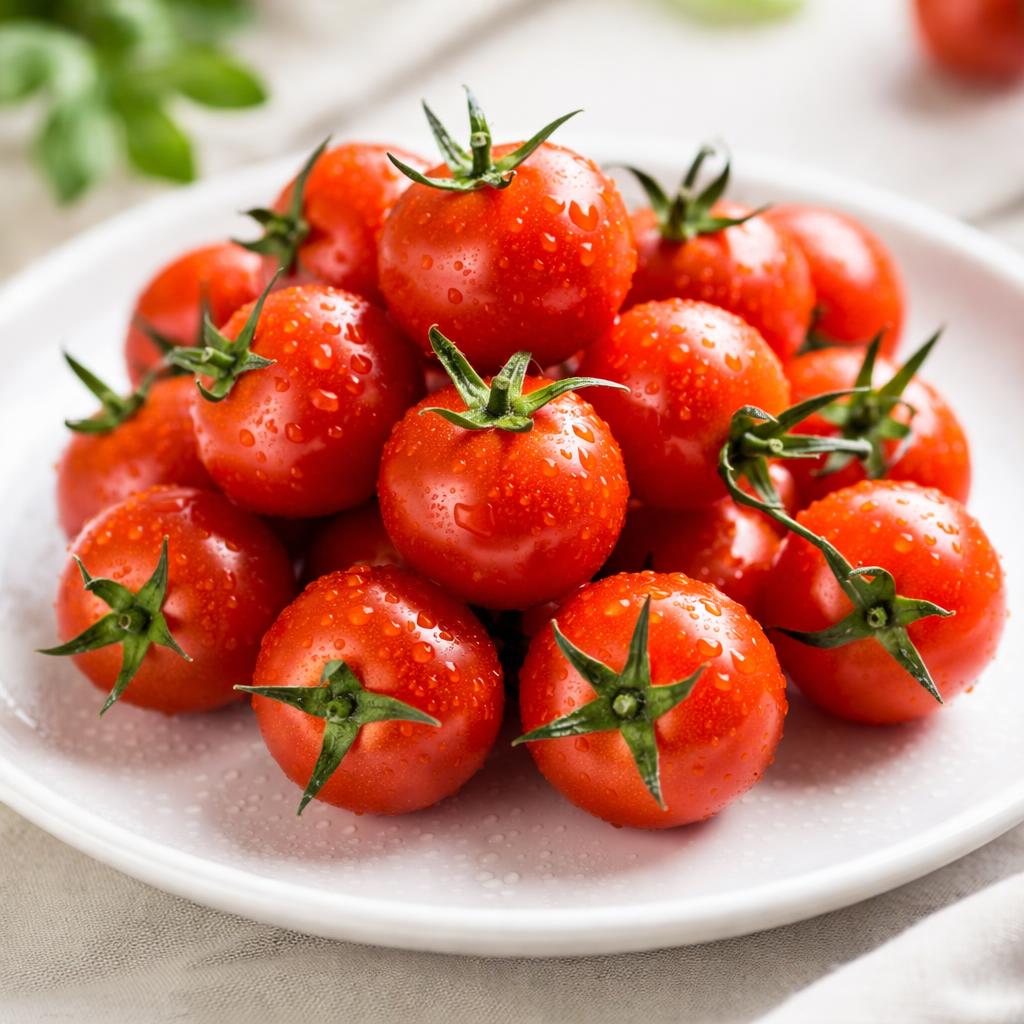
Cherry Tomatoes
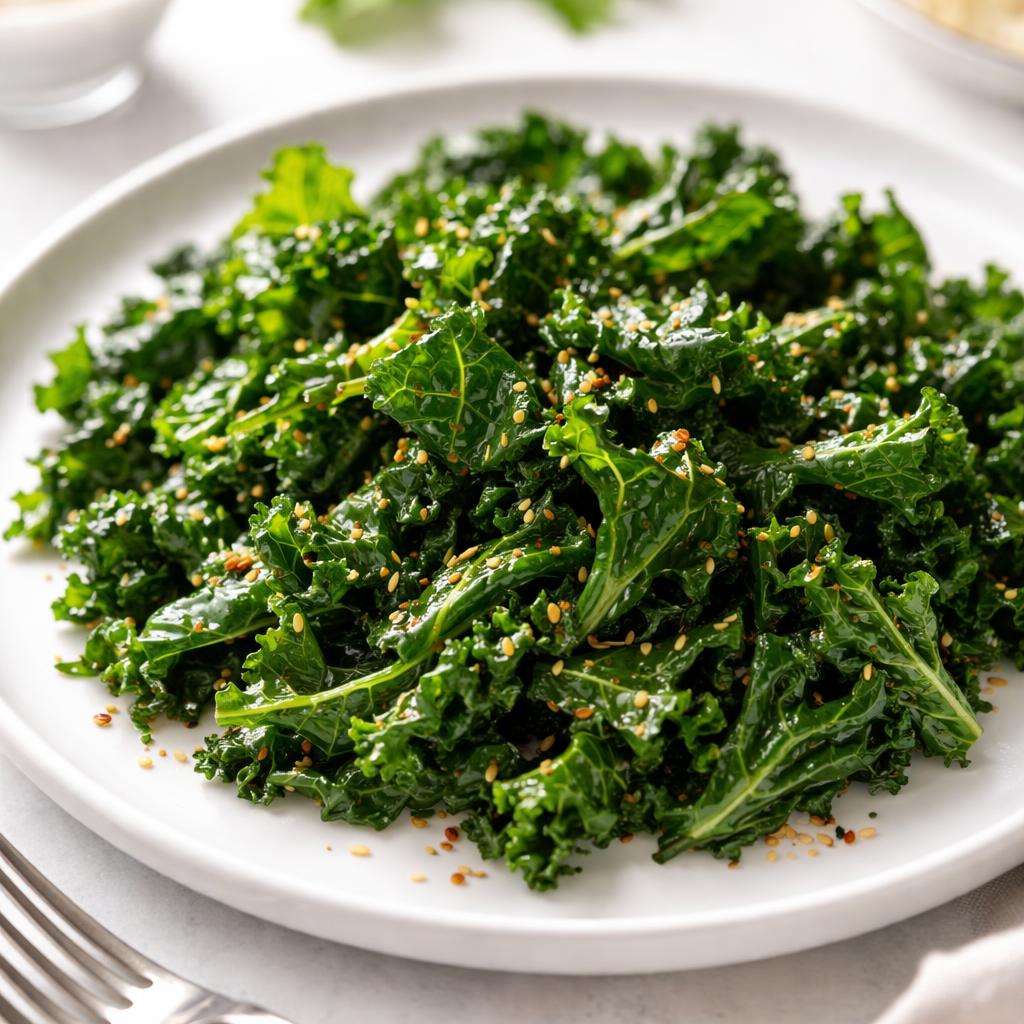
Kale
🎯 Quick Verdict
Kale is nutritionally denser, offering higher protein, fiber, and vitamins compared to cherry tomatoes. Cherry tomatoes are lower in calories and carbs, making them a lighter option. Both foods are excellent for healthy eating, with cherry tomatoes best for snacking and kale ideal for nutrient-packed meals like salads or smoothies.

Smart Nutrition Tracking with SnapCalorie

📊 Nutritional Comparison
Macronutrients
| Nutrient | Food 1 | Food 2 | Winner |
|---|---|---|---|
| Calories | 18 | 35 | ✓ |
| Protein | 1g | 2.9g | ✓ |
| Carbs | 4g | 7g | ✓ |
| Fat | 0g | 0.6g | ✓ |
| Fiber | 1g | 2.6g | ✓ |
Vitamins & Minerals
| Nutrient | Food 1 | Food 2 | Winner |
|---|---|---|---|
| Vitamin A | 1025 IU | 10302 IU | ✓ |
| Vitamin C | 13mg | 80mg | ✓ |
| Calcium | 10mg | 254mg | ✓ |
| Iron | 0.3mg | 1.6mg | ✓ |
🏆 Category Winners
Protein
Kale has nearly 3 times more protein per serving.
Fiber
Kale provides 2.6g of fiber compared to 1g in cherry tomatoes.
Calories
Cherry tomatoes have fewer calories, making them a lighter option.
Vitamins
Kale is far richer in Vitamin A, C, calcium, and iron compared to cherry tomatoes.
🥗 Diet Compatibility
Keto
Food 1: Compatible
Food 2: Compatible
Both are low-carb vegetables suitable for keto diets.
Vegan
Food 1: Compatible
Food 2: Compatible
Both are plant-based foods.
Gluten Free
Food 1: Compatible
Food 2: Compatible
Neither contains gluten.
Paleo
Food 1: Compatible
Food 2: Compatible
Both are paleo-friendly whole foods.
Low Carb
Food 1: Compatible
Food 2: Compatible
Cherry tomatoes are particularly low in carbs (4g per serving), but kale is also acceptable within a low-carb diet.
💪 Health Benefits Comparison
Food 1 Benefits
- Hydrating and low-calorie, great for weight loss
- Good source of Vitamin C for immune health
- Contains antioxidant lycopene, supporting heart health
Food 2 Benefits
- Rich in fiber for digestive health
- Exceptional source of Vitamin A and C for skin and immunity
- High calcium content for bone health
- Loaded with antioxidants to fight inflammation
✅ The Bottom Line
Choose cherry tomatoes for a light, hydrating snack that is low in calories and carbs. Opt for kale when looking for nutrient density, high protein, fiber, and vitamin content for salads, smoothies, or side dishes.
Choose Food 1 for: Weight loss, snacking, hydrating low-calorie meals
Choose Food 2 for: Nutrient-dense meals, digestive health, immune support


