Cherry Tomatoes VS Ham
A detailed nutritional comparison
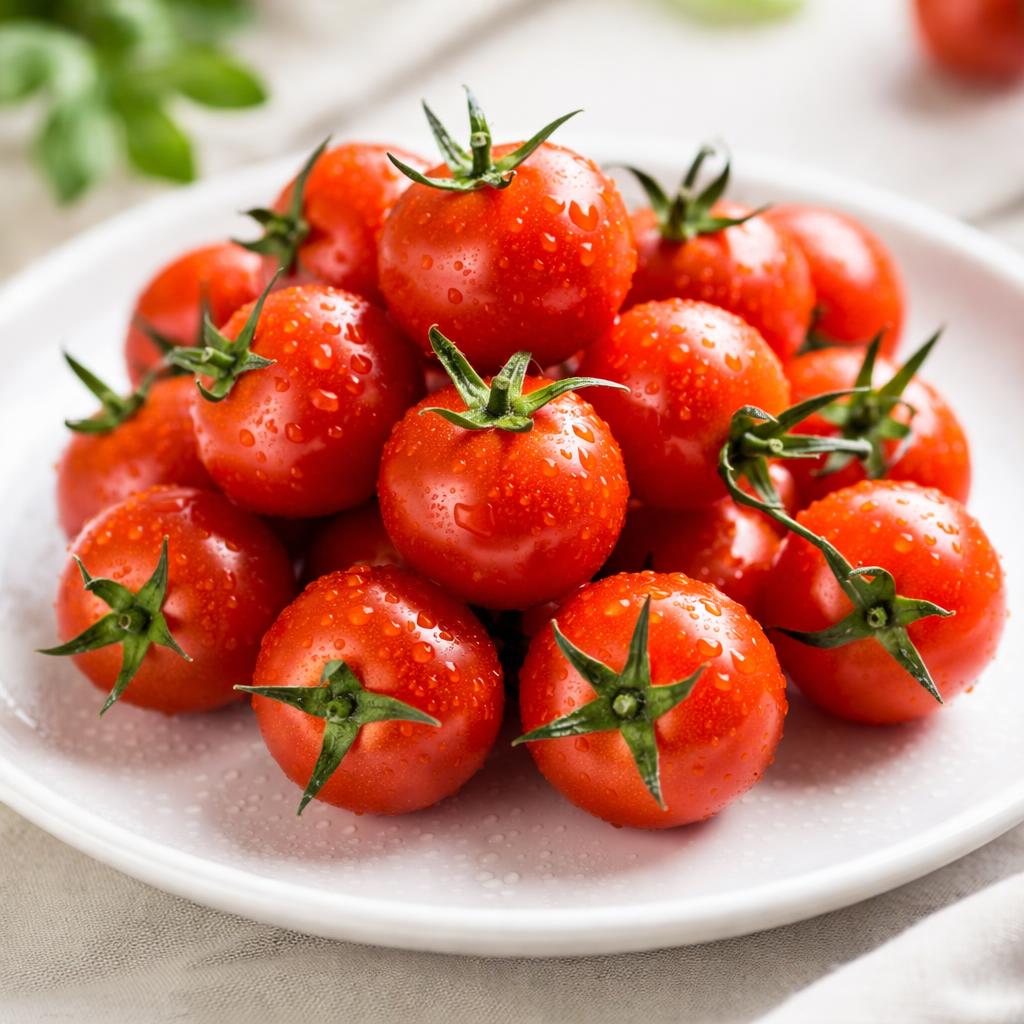
Cherry Tomatoes
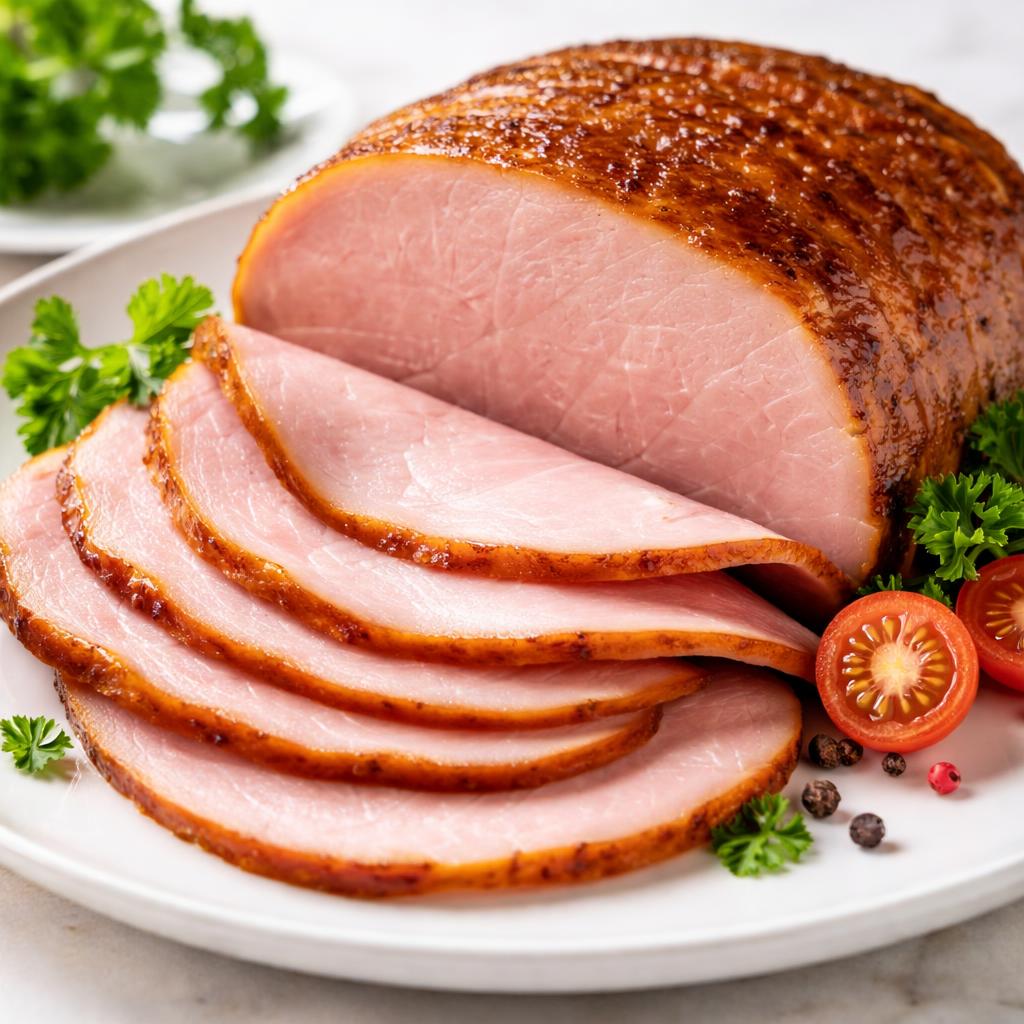
Ham
🎯 Quick Verdict
Ham is significantly higher in protein (15g per serving) compared to cherry tomatoes (1g) and is more suited for high-protein diets or muscle building. Cherry tomatoes are vastly lower in calories (18 vs 150 per serving) and provide more fiber, making them a better choice for weight management and digestive health. Both foods have unique benefits depending on diet priorities.

Smart Nutrition Tracking with SnapCalorie

📊 Nutritional Comparison
Macronutrients
| Nutrient | Food 1 | Food 2 | Winner |
|---|---|---|---|
| Calories | 18 | 150 | ✓ |
| Protein | 1g | 15g | ✓ |
| Carbs | 4g | 2g | ✓ |
| Fat | 0.2g | 10g | ✓ |
| Fiber | 1g | 0g | ✓ |
Vitamins & Minerals
| Nutrient | Food 1 | Food 2 | Winner |
|---|---|---|---|
| Vitamin A | 1,000 IU | 0 IU | ✓ |
| Vitamin C | 15mg | 0mg | ✓ |
| Sodium | 5mg | 1,200mg | ✓ |
| Iron | 0.3mg | 1mg | ✓ |
🏆 Category Winners
Protein
Ham contains 15g of protein per serving, far exceeding cherry tomatoes.
Fiber
Cherry tomatoes offer 1g of fiber compared to none in ham.
Calories
Cherry tomatoes have only 18 calories per serving, making them much lower than ham.
Vitamins
Food1 is rich in Vitamin A and Vitamin C, which are absent in ham.
🥗 Diet Compatibility
Keto
Food 1: Compatible
Food 2: Compatible
Both foods are low in carbs and suitable for keto diets.
Vegan
Food 1: Compatible
Food 2: Not Compatible
Cherry tomatoes are plant-based, while ham is animal-derived.
Gluten Free
Food 1: Compatible
Food 2: Compatible
Neither contains gluten.
Paleo
Food 1: Compatible
Food 2: Compatible
Both are whole foods and fit within paleo guidelines.
Low-Carb
Food 1: Compatible
Food 2: Compatible
Both are naturally low in carbohydrates.
💪 Health Benefits Comparison
Food 1 Benefits
- Low in calories, ideal for weight management
- Contains fiber to support digestive health
- Rich in Vitamin C for immunity and skin health
- Provides Vitamin A for eye health
Food 2 Benefits
- High in protein, supporting muscle repair and building
- Contains iron, essential for oxygen transportation in the blood
- Provides energy-sustaining fats
- Low in carbs, suitable for low-carb diets
✅ The Bottom Line
Cherry tomatoes are best for weight management, digestion, and vitamin-rich snacking, while ham excels as a protein source for muscle building and energy sustenance. Choose ham for high-protein needs and cherry tomatoes for low-calorie nutrient density.
Choose Food 1 for: Snacking, weight loss, vitamin boost
Choose Food 2 for: High-protein diets, muscle building, low-carb meals


