Cherry Tomatoes VS Granola
A detailed nutritional comparison
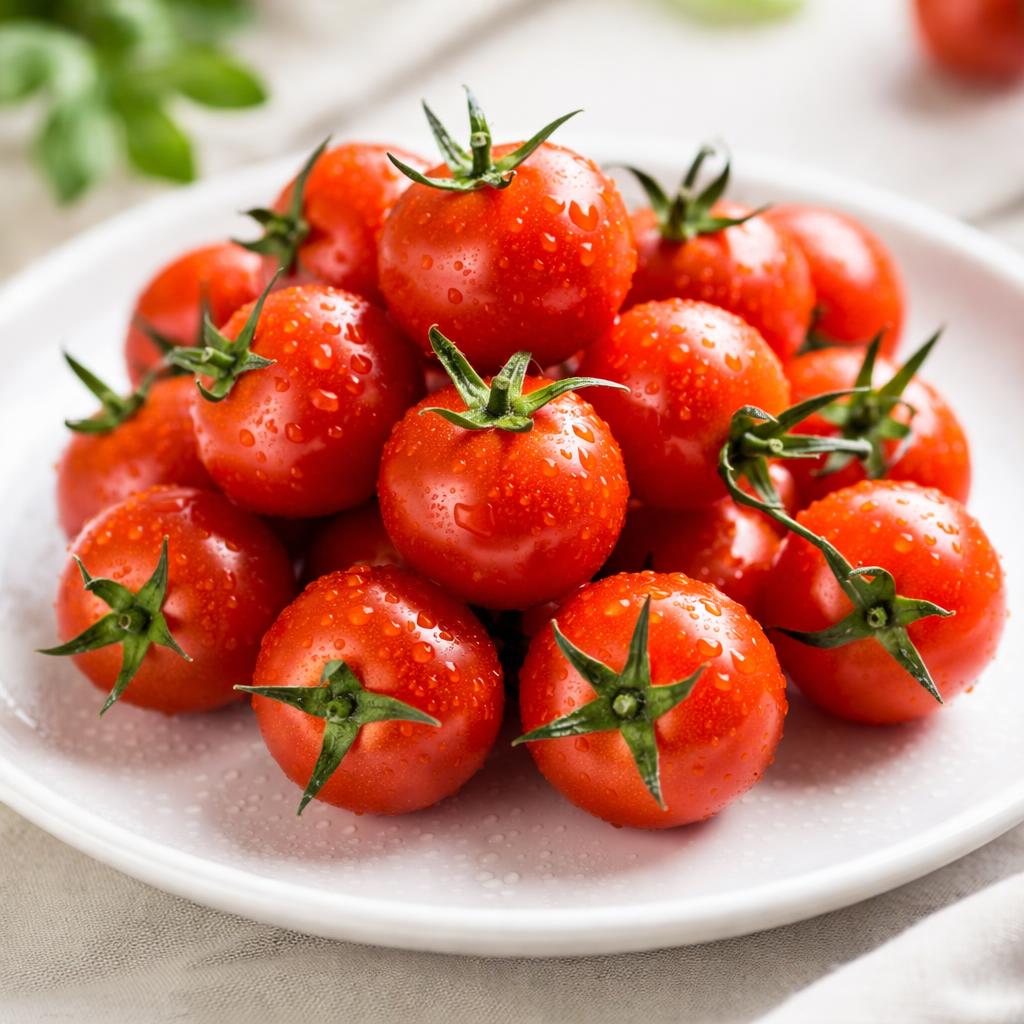
Cherry Tomatoes
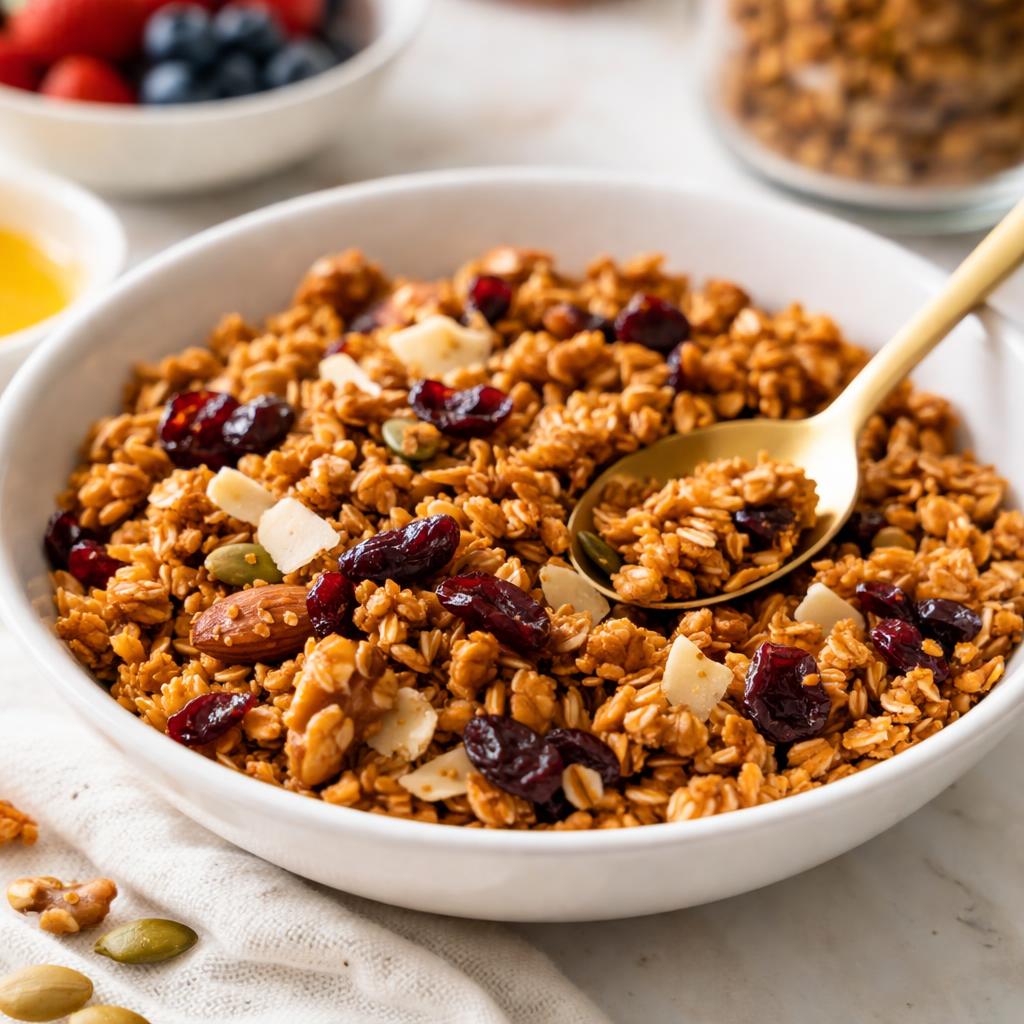
Granola
🎯 Quick Verdict
Cherry tomatoes are lower in calories and carbohydrates, making them a great option for weight management and low-carb diets. Granola, on the other hand, is richer in protein, fiber, and healthy fats, making it ideal for sustained energy and nutrient density. Choose cherry tomatoes for hydration and light snacking, and granola for a dense, satiating meal addition.

Smart Nutrition Tracking with SnapCalorie

📊 Nutritional Comparison
Macronutrients
| Nutrient | Food 1 | Food 2 | Winner |
|---|---|---|---|
| Calories | 18 (per 100g) | 489 (per 100g) | ✓ |
| Protein | 0.9g | 10g | ✓ |
| Carbs | 3.9g | 53g | ✓ |
| Fat | 0.2g | 20g | ✓ |
| Fiber | 1.2g | 9g | ✓ |
Vitamins & Minerals
| Nutrient | Food 1 | Food 2 | Winner |
|---|---|---|---|
| Vitamin C | 23.4mg (26% DV) | 0.1mg (<1% DV) | ✓ |
| Vitamin A | 833 IU (17% DV) | 0 IU | ✓ |
| Iron | 0.3mg (2% DV) | 2.6mg (14% DV) | ✓ |
| Calcium | 10mg (1% DV) | 70mg (7% DV) | ✓ |
🏆 Category Winners
Protein
Granola contains over 10 times the protein per serving compared to cherry tomatoes.
Fiber
Granola offers seven times more fiber than cherry tomatoes.
Calories
Cherry tomatoes are significantly lower in calories, with less than 5% of granola's calorie count per serving.
🥗 Diet Compatibility
Keto
Food 1: Compatible
Food 2: Not Compatible
Cherry tomatoes are low-carb (3.9g per serving), while granola is high-carb (53g per serving).
Vegan
Food 1: Compatible
Food 2: Compatible
Both cherry tomatoes and granola are plant-based and fit a vegan diet.
Gluten Free
Food 1: Compatible
Food 2: Depends
Cherry tomatoes are inherently gluten-free, while granola may contain gluten unless specifically labeled otherwise.
Paleo
Food 1: Compatible
Food 2: Not Compatible
Cherry tomatoes align well with paleo principles, while granola often contains processed grains or sugars that aren't paleo-friendly.
Low-Carb
Food 1: Compatible
Food 2: Not Compatible
Cherry tomatoes fit low-carb diets, while granola's high carb content (53g per serving) makes it unsuitable.
💪 Health Benefits Comparison
Food 1 Benefits
- Low in calories for weight management
- Rich in vitamin C and antioxidants for immune health
- Supports hydration due to high water content
- Vitamin A benefits eye health
Food 2 Benefits
- Provides sustained energy from complex carbohydrates
- High in dietary fiber for improved digestion
- Contains iron to support oxygen transport in the blood
- Offers healthy fats for heart and brain health
✅ The Bottom Line
Choose cherry tomatoes when focusing on hydration, weight management, and low-carb meals. Granola is better suited for energy-dense scenarios such as breakfast or fueling physical activity. Both foods bring unique nutritional advantages based on dietary priorities.
Choose Food 1 for: Low-carb diets, weight loss, light snacking, hydration
Choose Food 2 for: Energy-dense meals, digestion support, nutrient-rich breakfast or snacks


