Cherry Tomatoes VS Cucumbers
A detailed nutritional comparison
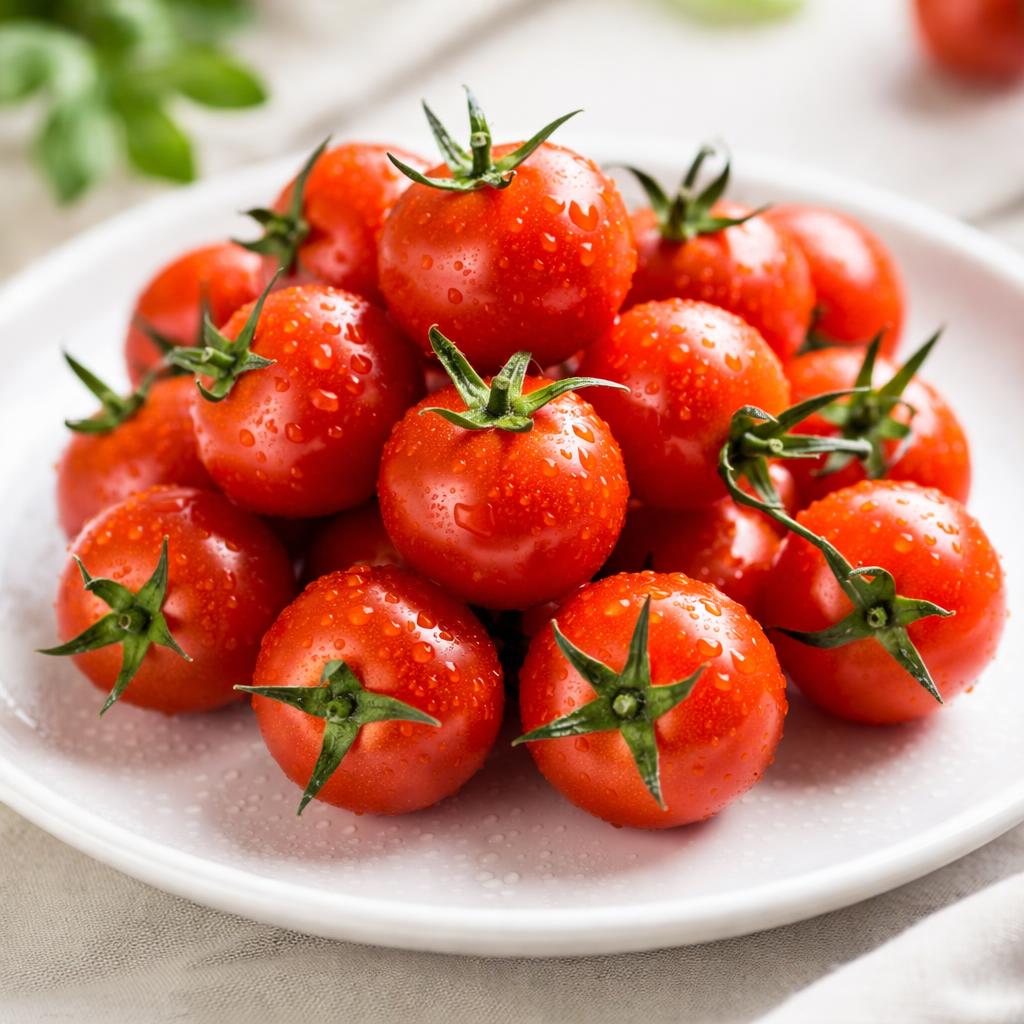
Cherry Tomatoes
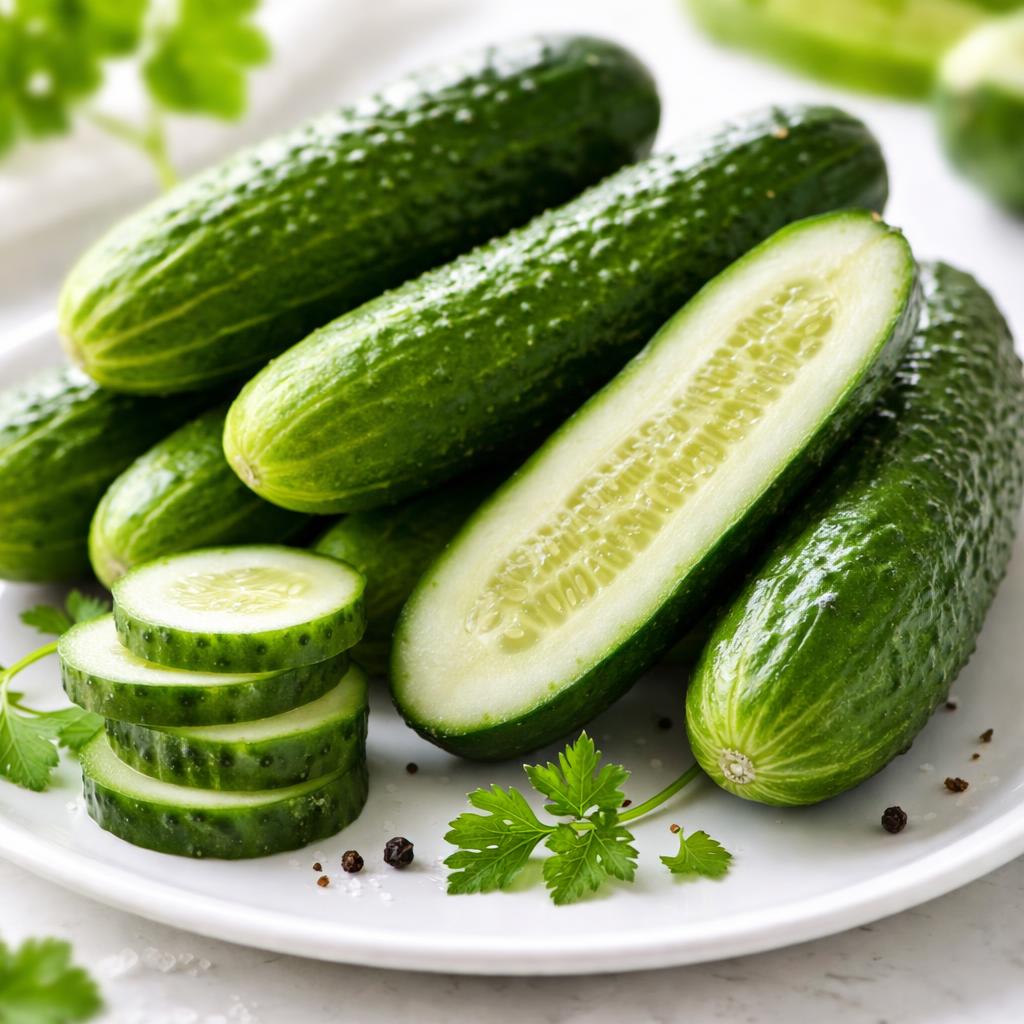
Cucumbers
🎯 Quick Verdict
Cherry tomatoes and cucumbers are both low-calorie, hydrating vegetables, but cherry tomatoes offer more protein, fiber, and vitamins, especially vitamin C and vitamin A. Cucumbers are lower in carbs, making them ideal for very low-carb diets. Choose cherry tomatoes for nutrient density and cucumbers for hydration and versatility.

Smart Nutrition Tracking with SnapCalorie

📊 Nutritional Comparison
Macronutrients
| Nutrient | Food 1 | Food 2 | Winner |
|---|---|---|---|
| Calories | 18 per 100g | 15 per 100g | − |
| Protein | 0.9g per 100g | 0.7g per 100g | − |
| Carbs | 3.9g per 100g | 3.6g per 100g | − |
| Fat | 0.2g per 100g | 0.1g per 100g | − |
| Fiber | 1.2g per 100g | 0.5g per 100g | − |
Vitamins & Minerals
| Nutrient | Food 1 | Food 2 | Winner |
|---|---|---|---|
| Vitamin C | 13.7mg per 100g | 2.8mg per 100g | − |
| Vitamin A | 449 IU per 100g | 72 IU per 100g | − |
| Potassium | 237mg per 100g | 147mg per 100g | − |
🏆 Category Winners
Protein
Cherry tomatoes offer 28% more protein per serving.
Fiber
Cherry tomatoes provide over twice the fiber compared to cucumbers.
Calories
Both foods are extremely low-calorie and nearly identical.
🥗 Diet Compatibility
Keto
Food 1: Unknown
Food 2: Unknown
Cucumbers are lower in carbs and suitable for keto diets.
Vegan
Food 1: Unknown
Food 2: Unknown
Both are plant-based and naturally vegan.
Gluten Free
Food 1: Unknown
Food 2: Unknown
Neither food contains gluten.
Paleo
Food 1: Unknown
Food 2: Unknown
Both are whole, natural foods that fit paleo guidelines.
Low Carb
Food 1: Unknown
Food 2: Unknown
Cucumbers are lower in carbs, making them better for strict low-carb diets.
💪 Health Benefits Comparison
Food 1 Benefits
Food 2 Benefits
✅ The Bottom Line
Cherry tomatoes are nutrient-dense and offer more protein, fiber, and vitamins, making them ideal for people looking to boost their nutrient intake or support digestion. Cucumbers, on the other hand, are better suited for hydrating, low-carb, and keto-friendly diets due to their low calorie and carb content.


