Cherry Tomatoes VS Cilantro
A detailed nutritional comparison
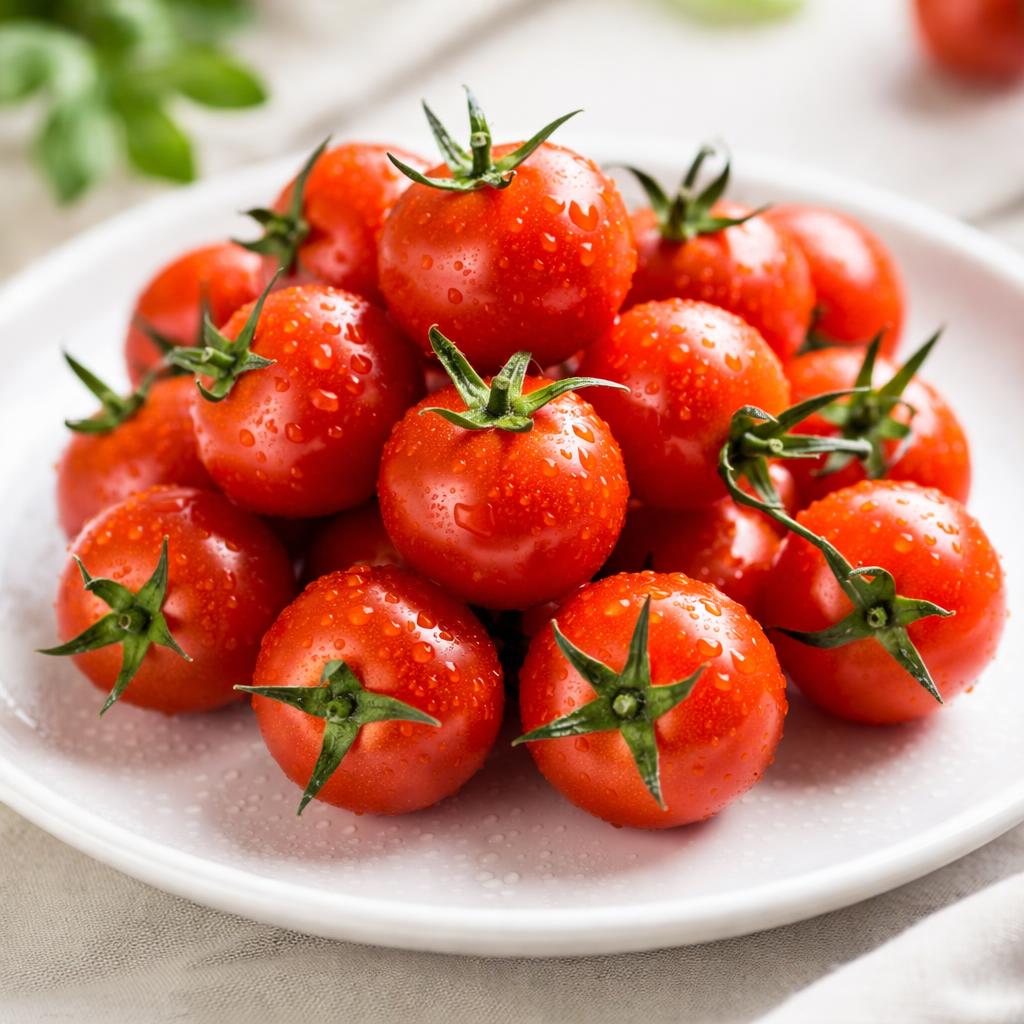
Cherry Tomatoes
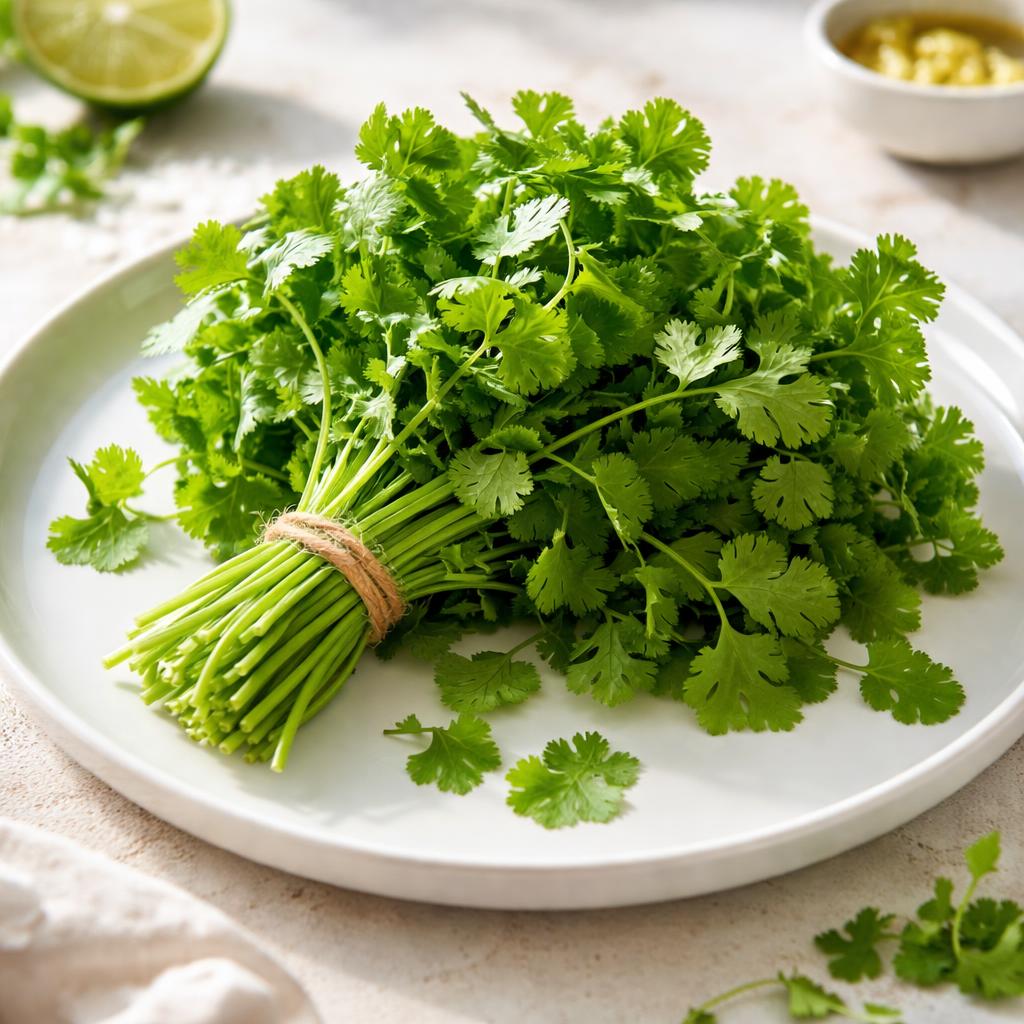
Cilantro
🎯 Quick Verdict
Cherry tomatoes and cilantro serve very different purposes in your diet. Cherry tomatoes are higher in fiber and provide more vitamins like vitamin C, while cilantro is extremely low-calorie and slightly higher in protein. Cherry tomatoes work great as a wholesome snack or salad addition, whereas cilantro is primarily a flavorful herb to garnish meals without adding significant calories or macronutrients.

Smart Nutrition Tracking with SnapCalorie

📊 Nutritional Comparison
Macronutrients
| Nutrient | Food 1 | Food 2 | Winner |
|---|---|---|---|
| Calories | 18 per 100g | 23 per 100g | ✓ |
| Protein | 0.9g per 100g | 2.1g per 100g | ✓ |
| Carbs | 3.9g per 100g | 3.7g per 100g | ✓ |
| Fat | 0.2g per 100g | 0.5g per 100g | ✓ |
| Fiber | 1.2g per 100g | 0.9g per 100g | ✓ |
Vitamins & Minerals
| Nutrient | Food 1 | Food 2 | Winner |
|---|---|---|---|
| Vitamin C | 12.7mg per 100g | 3.7mg per 100g | ✓ |
| Vitamin A (RAE) | 102mcg per 100g | 674mcg per 100g | ✓ |
| Vitamin K | 7.9mcg per 100g | 310mcg per 100g | ✓ |
🏆 Category Winners
Protein
Cilantro has over twice as much protein per 100 grams as cherry tomatoes.
Fiber
Cherry tomatoes are slightly richer in fiber.
Calories
Cherry tomatoes are lower-calorie compared to cilantro by 22%.
Vitamins
Cilantro is richer in vitamin A and vitamin K, while cherry tomatoes win in vitamin C content.
🥗 Diet Compatibility
Keto
Food 1: Compatible
Food 2: Compatible
Both are low in carbs, making them suitable for keto diets.
Vegan
Food 1: Compatible
Food 2: Compatible
Both are plant-based foods.
Gluten Free
Food 1: Compatible
Food 2: Compatible
Neither contains gluten.
Paleo
Food 1: Compatible
Food 2: Compatible
Both fit within paleo guidelines as unprocessed plant foods.
Low Carb
Food 1: Compatible
Food 2: Compatible
Both are very low-carb (less than 4g per 100g).
💪 Health Benefits Comparison
Food 1 Benefits
- High in vitamin C for immune support and skin health
- Good source of fiber for digestion
- Low in calories and carbs for weight management
Food 2 Benefits
- Rich in vitamin K for blood clotting and bone health
- Excellent source of antioxidants for fighting inflammation
- Low-calorie herb that adds flavor without excess calories
✅ The Bottom Line
Choose cherry tomatoes for a fiber-rich, snackable whole food with higher vitamin C. Select cilantro when you want a nutrient-dense herb to enhance flavor while supplying vitamin K and antioxidants. Both foods complement healthy eating patterns but serve different purposes.
Choose Food 1 for: Snack ideas, salads, vitamin C boost
Choose Food 2 for: Flavor enhancement, bone health, garnish or smoothies


