Cherry Tomatoes VS Capers
A detailed nutritional comparison
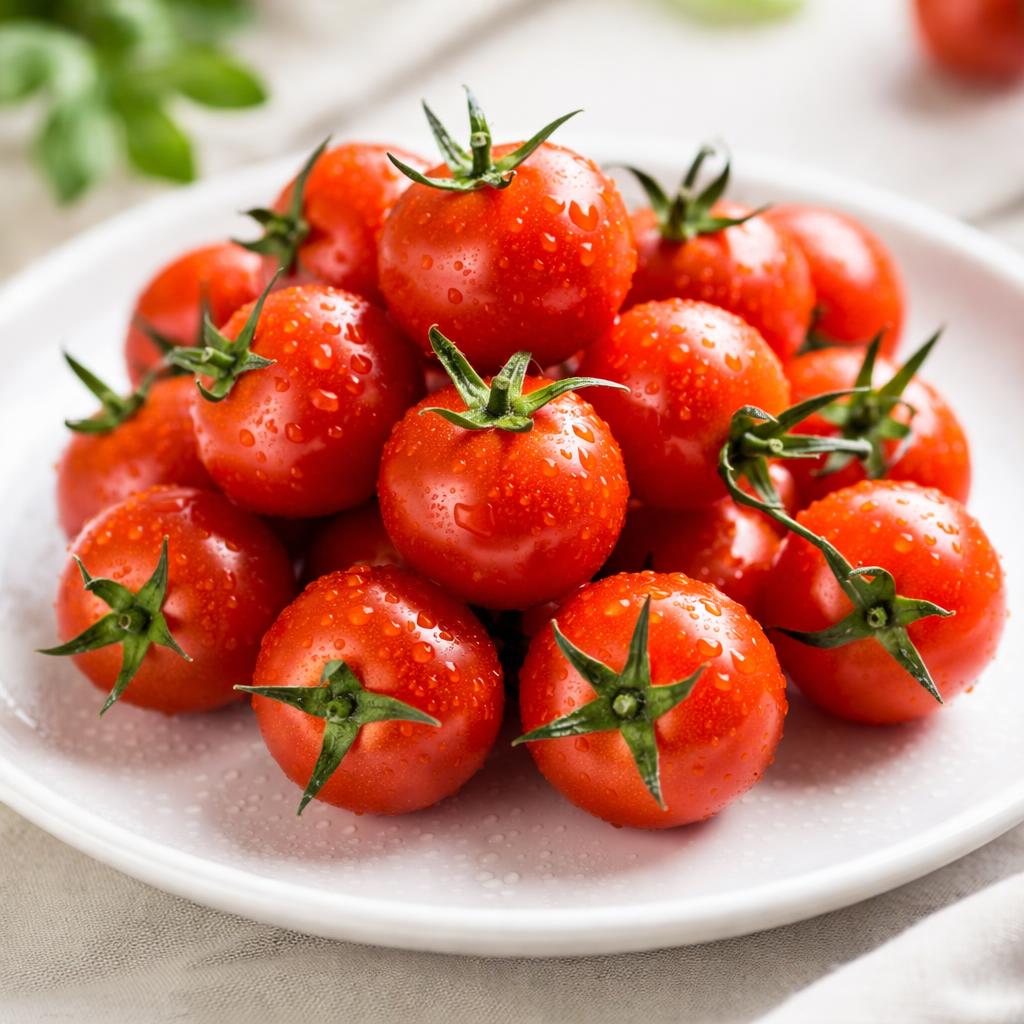
Cherry Tomatoes
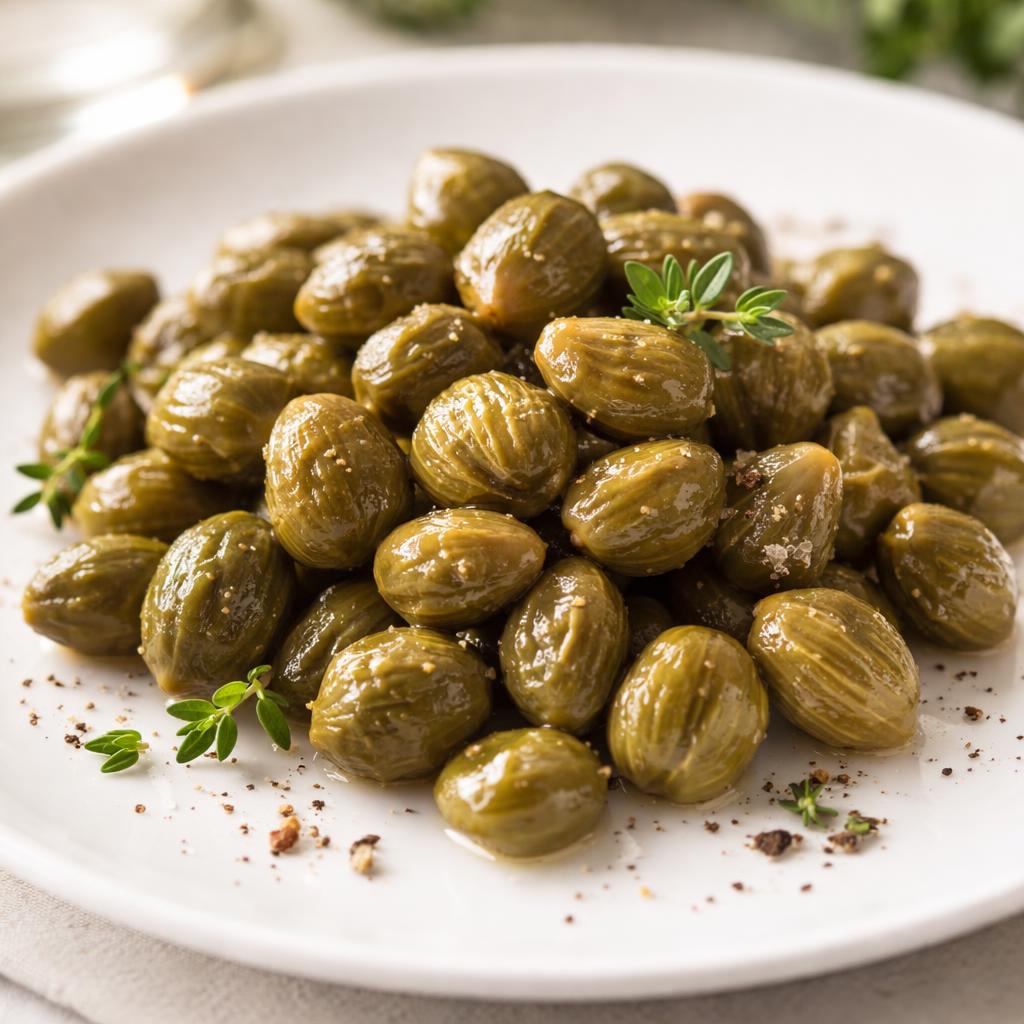
Capers
🎯 Quick Verdict
Cherry tomatoes and capers are nutritionally distinct. Cherry tomatoes are lower in calories, higher in fiber, and provide vitamin C along with hydration. Capers are richer in sodium and offer some antioxidants and minerals. Choose tomatoes for a refreshing, low-calorie option and capers for added flavor and trace minerals.

Smart Nutrition Tracking with SnapCalorie

📊 Nutritional Comparison
Macronutrients
| Nutrient | Food 1 | Food 2 | Winner |
|---|---|---|---|
| Calories | 18 | 23 | ✓ |
| Protein | 0.9g | 0.9g | − |
| Carbs | 3.9g | 4.2g | ✓ |
| Fat | 0.2g | 0.6g | ✓ |
| Fiber | 1.2g | 0.3g | ✓ |
Vitamins & Minerals
| Nutrient | Food 1 | Food 2 | Winner |
|---|---|---|---|
| Vitamin C | 18mg | 3mg | ✓ |
| Vitamin A | 75IU | 25IU | ✓ |
| Vitamin K | 9.7mcg | 24mcg | ✓ |
| Iron | 0.3mg | 1.7mg | ✓ |
| Calcium | 12mg | 40mg | ✓ |
🏆 Category Winners
Protein
Both cherry tomatoes and capers provide 0.9g of protein per serving.
Fiber
Cherry tomatoes have 4x more fiber compared to capers.
Calories
Cherry tomatoes have 22% fewer calories than capers per serving.
Vitamins
Cherry tomatoes are richer in vitamin C and vitamin A.
🥗 Diet Compatibility
Keto
Food 1: Compatible
Food 2: Compatible
Both have low net carbs and fit a keto diet.
Vegan
Food 1: Compatible
Food 2: Compatible
Both are plant-based foods.
Gluten Free
Food 1: Compatible
Food 2: Compatible
Neither food contains gluten ingredients.
Paleo
Food 1: Compatible
Food 2: Compatible
Both foods can fit into a paleo diet.
Low-Carb
Food 1: Compatible
Food 2: Compatible
Both are low in carbs, with under 5g per serving.
💪 Health Benefits Comparison
Food 1 Benefits
- Rich in vitamin C for immunity and skin health
- High in fiber for improved digestion
- Low-calorie option for weight management
- Contains antioxidants to combat inflammation
Food 2 Benefits
- Rich in minerals like calcium and iron for bone health and oxygen transport
- Provides antioxidants with potential anti-inflammatory properties
- Low-calorie flavor enhancer for reduced sodium meal planning
- Contains vitamin K for bone and blood health
✅ The Bottom Line
Choose cherry tomatoes for a refreshing, nutrient-packed snack or ingredient that supports hydration and digestion. Capers are best used as a tangy condiment to enhance flavors while providing trace minerals. Both have practical uses based on dietary needs and flavor profiles.
Choose Food 1 for: Low-calorie diets, hydration, nutrient-rich snacks
Choose Food 2 for: Condiment for flavor boost, mineral intake, antioxidant support


