Cherry Tomatoes VS Bottled Water
A detailed nutritional comparison
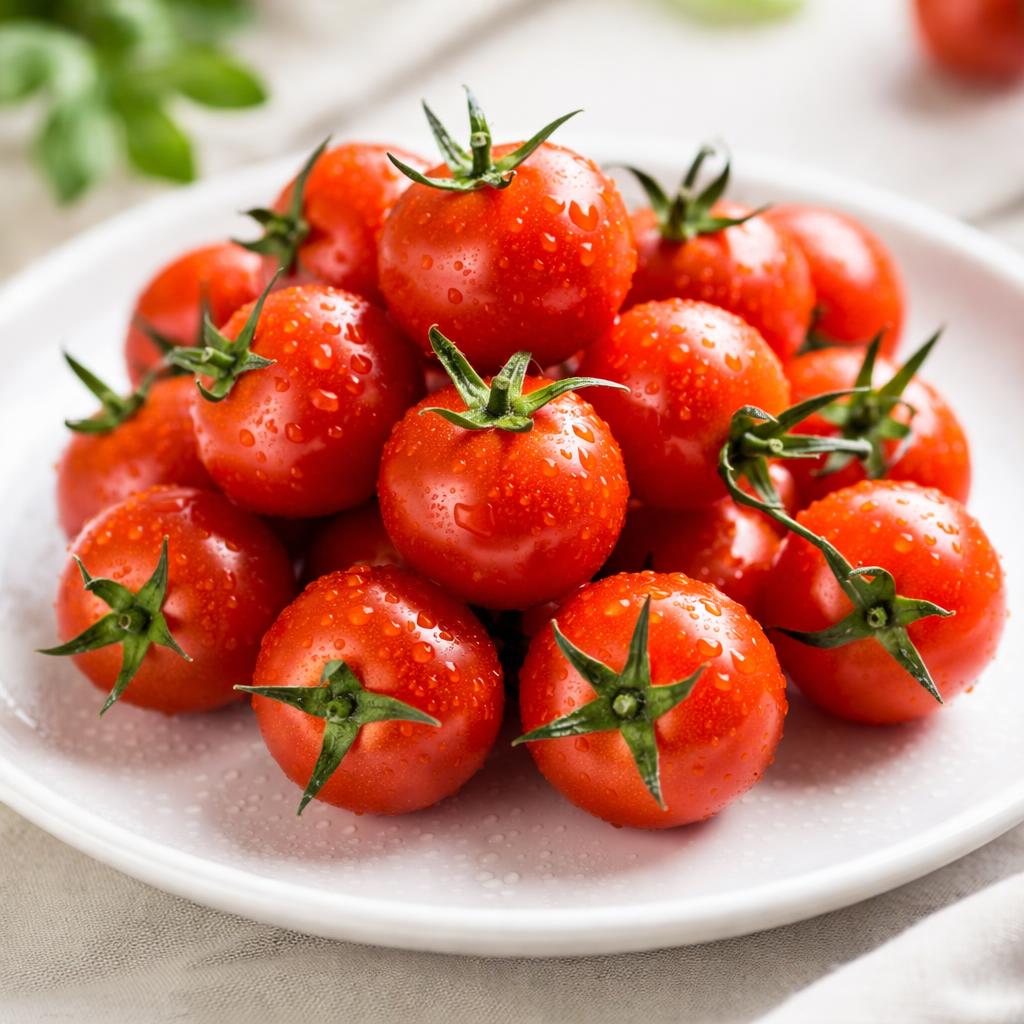
Cherry Tomatoes
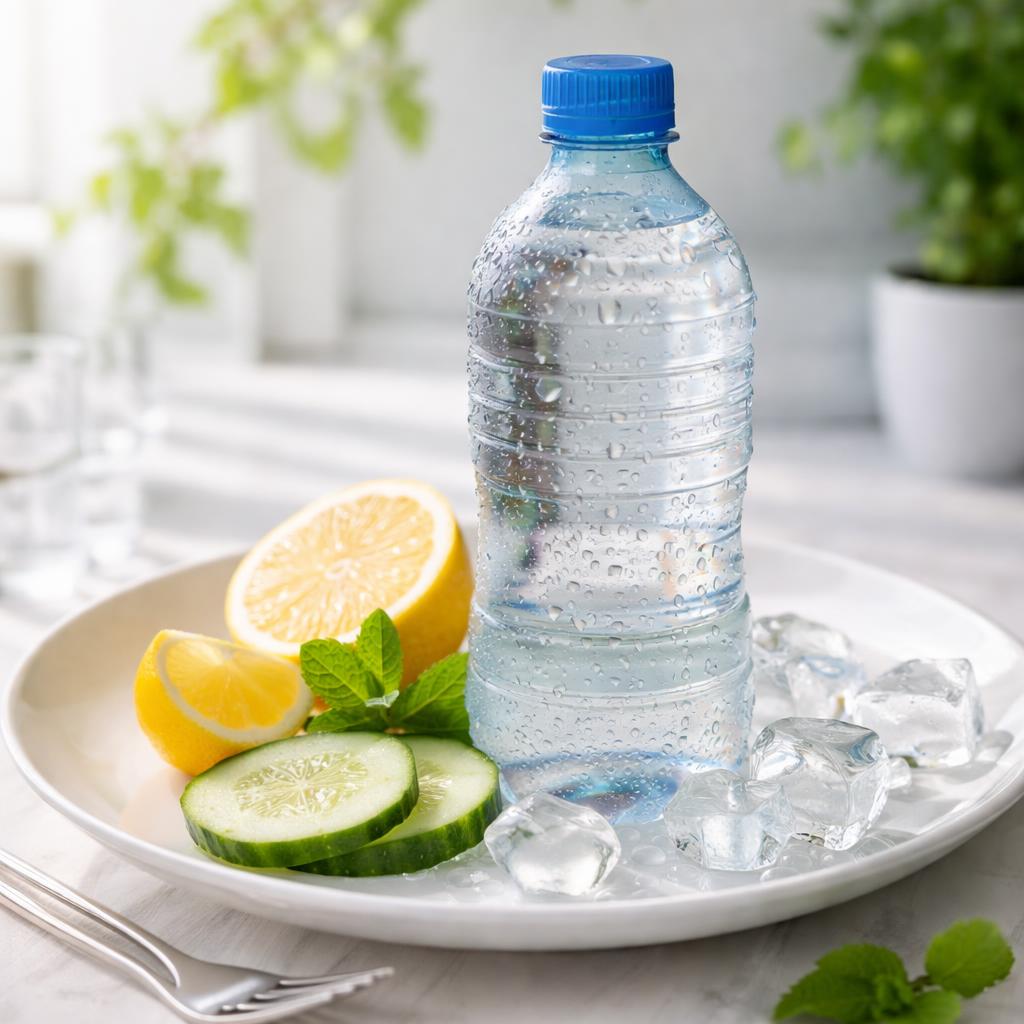
Bottled Water
🎯 Quick Verdict
Cherry tomatoes provide significant nutritional benefits with vitamins, fiber, and antioxidants. Bottled water is calorie-free and hydrating but lacks other nutrients. Cherry tomatoes are better suited for nutritional needs, while bottled water is optimal solely for hydration.

Smart Nutrition Tracking with SnapCalorie

📊 Nutritional Comparison
Macronutrients
| Nutrient | Food 1 | Food 2 | Winner |
|---|---|---|---|
| Calories | 18 (per 100g) | 0 | ✓ |
| Protein | 0.9g | 0g | − |
| Carbs | 3.9g | 0g | ✓ |
| Fat | 0.2g | 0g | ✓ |
| Fiber | 1.2g | 0g | ✓ |
Vitamins & Minerals
| Nutrient | Food 1 | Food 2 | Winner |
|---|---|---|---|
| Vitamin C | 14mg | 0mg | ✓ |
| Potassium | 170mg | 0mg | ✓ |
| Iron | 0.3mg | 0mg | ✓ |
🏆 Category Winners
Protein
Neither food is a significant source of protein.
Fiber
Cherry tomatoes provide 1.2g of fiber, while bottled water provides none.
Calories
Bottled water contains 0 calories, making it the lowest-calorie option.
Vitamins
Cherry tomatoes are rich in micronutrients, including vitamin C and potassium, absent in bottled water.
🥗 Diet Compatibility
Keto
Food 1: Compatible
Food 2: Compatible
Both are low in carbohydrates.
Vegan
Food 1: Compatible
Food 2: Compatible
Both are plant-based.
Gluten Free
Food 1: Compatible
Food 2: Compatible
Neither contains gluten.
Paleo
Food 1: Compatible
Food 2: Compatible
Both fit paleo dietary guidelines.
Low Carb
Food 1: Compatible
Food 2: Compatible
Food1 has minimal carbs (3.9g per 100g), while food2 has none.
💪 Health Benefits Comparison
Food 1 Benefits
- Rich in vitamin C for immune system support
- High potassium content helps maintain heart health
- Contains antioxidants like lycopene, reducing inflammation
- Provides dietary fiber for improved digestion
Food 2 Benefits
- Essential for hydration and bodily functions
- Supports temperature regulation in the body
- No calories, making it ideal for weight management
- Can flush toxins and enhance kidney health
✅ The Bottom Line
Cherry tomatoes offer important nutrients, including vitamins, antioxidants, and fiber, ideal for adding to salads or snacks for improved health. Bottled water is calorie-free and best suited for hydration. Both are valuable depending on the primary dietary goal—nutrition or pure hydration.
Choose Food 1 for: Snack or salad ingredient, vitamin and fiber needs, antioxidant intake
Choose Food 2 for: Hydration, weight management, detox


