Cherry Tomatoes VS Blueberry
A detailed nutritional comparison
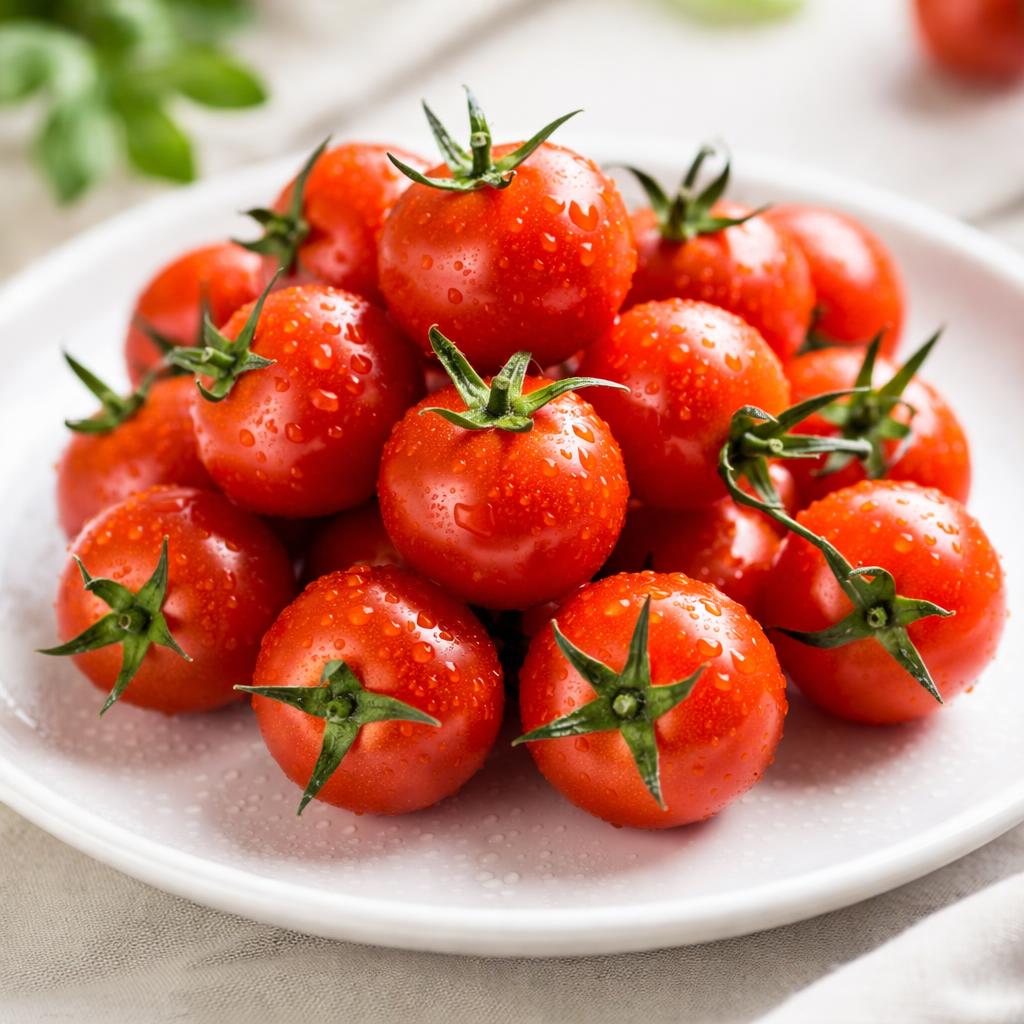
Cherry Tomatoes
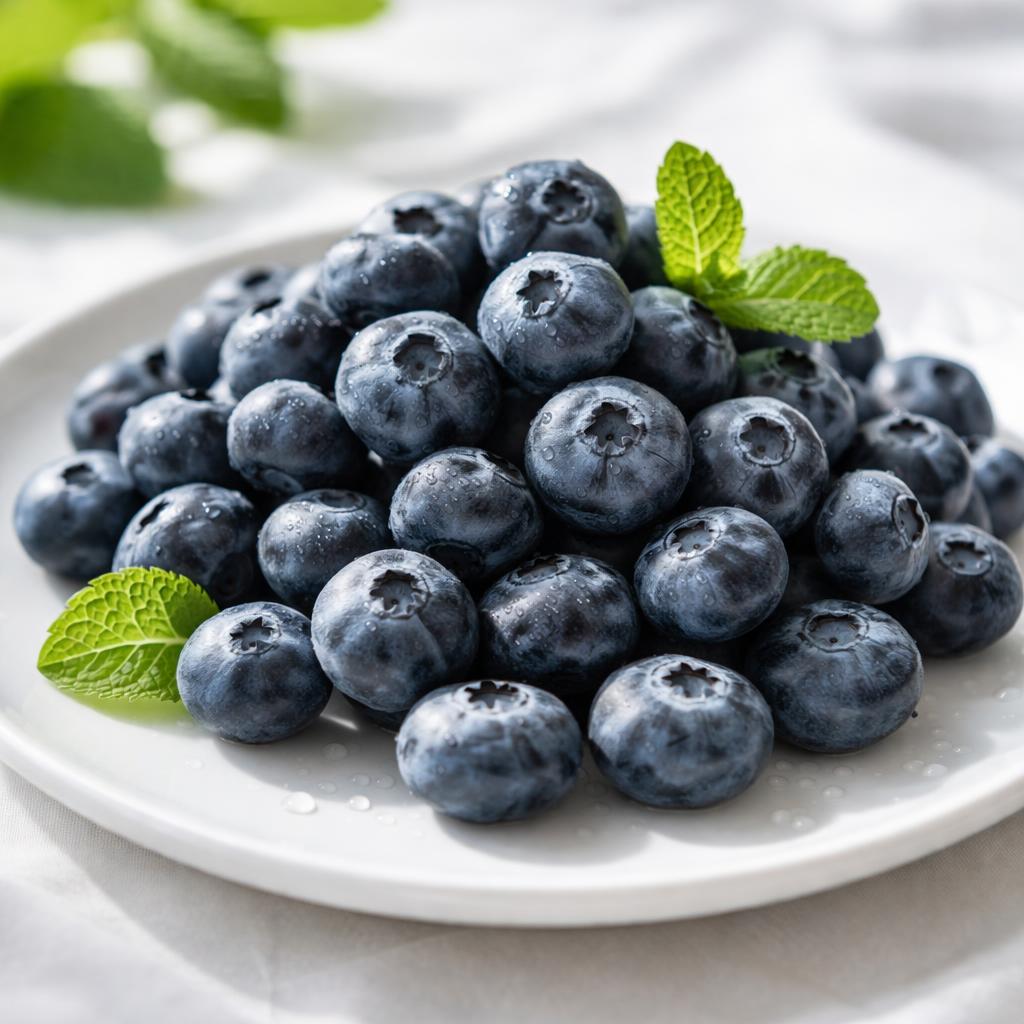
Blueberry
🎯 Quick Verdict
Cherry tomatoes and blueberries both offer unique nutritional benefits. Cherry tomatoes are lower in calories and provide more protein, while blueberries have a higher fiber content and are rich in antioxidants. Cherry tomatoes are excellent for savory dishes or low-calorie meals, while blueberries are ideal for snacking or adding natural sweetness to recipes.

Smart Nutrition Tracking with SnapCalorie

📊 Nutritional Comparison
Macronutrients
| Nutrient | Food 1 | Food 2 | Winner |
|---|---|---|---|
| Calories | 18 (per 100g) | 57 (per 100g) | − |
| Protein | 0.9g | 0.7g | − |
| Carbs | 3.9g | 14.5g | − |
| Fat | 0.2g | 0.3g | − |
| Fiber | 1.2g | 2.4g | − |
Vitamins & Minerals
| Nutrient | Food 1 | Food 2 | Winner |
|---|---|---|---|
| Vitamin C | 13.7mg | 9.7mg | − |
| Vitamin A | 833IU | 80IU | − |
| Calcium | 10mg | 9mg | − |
| Iron | 0.3mg | 0.3mg | − |
🏆 Category Winners
Protein
Cherry tomatoes have 28% more protein per 100g.
Fiber
Blueberries contain twice as much fiber (2.4g vs 1.2g per 100g).
Calories
Cherry tomatoes are significantly lower in calories (18 vs 57 per 100g).
Vitamins
Cherry tomatoes are higher in Vitamin C, Vitamin A, and slightly more calcium.
🥗 Diet Compatibility
Keto
Food 1: Unknown
Food 2: Unknown
Both are low-carb foods but blueberries should be consumed in moderation due to higher carb content.
Vegan
Food 1: Unknown
Food 2: Unknown
Both foods are plant-based and naturally vegan-friendly.
Gluten Free
Food 1: Unknown
Food 2: Unknown
Neither contains gluten.
Paleo
Food 1: Unknown
Food 2: Unknown
Both foods fit the paleo guidelines as whole, natural foods.
Low Carb
Food 1: Unknown
Food 2: Unknown
Cherry tomatoes are much lower in carbs (3.9g vs 14.5g per 100g).
💪 Health Benefits Comparison
Food 1 Benefits
Food 2 Benefits
✅ The Bottom Line
Choose cherry tomatoes for savory, low-calorie dishes or when you need a higher vitamin boost. Opt for blueberries if you're looking for a sweet treat rich in fiber and antioxidants. Both foods are nutrient-dense and versatile for most diets.


