Cherry Tomatoes VS Bell Peppers
A detailed nutritional comparison
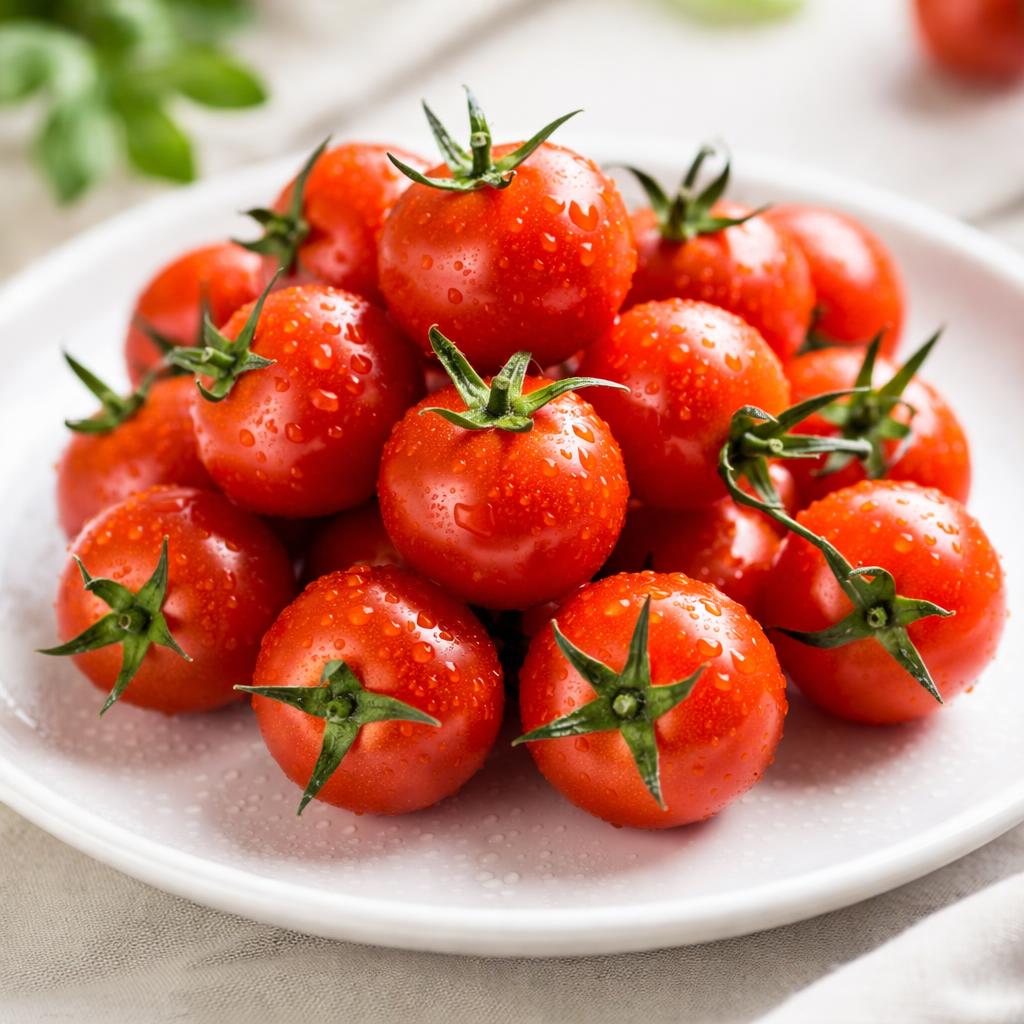
Cherry Tomatoes
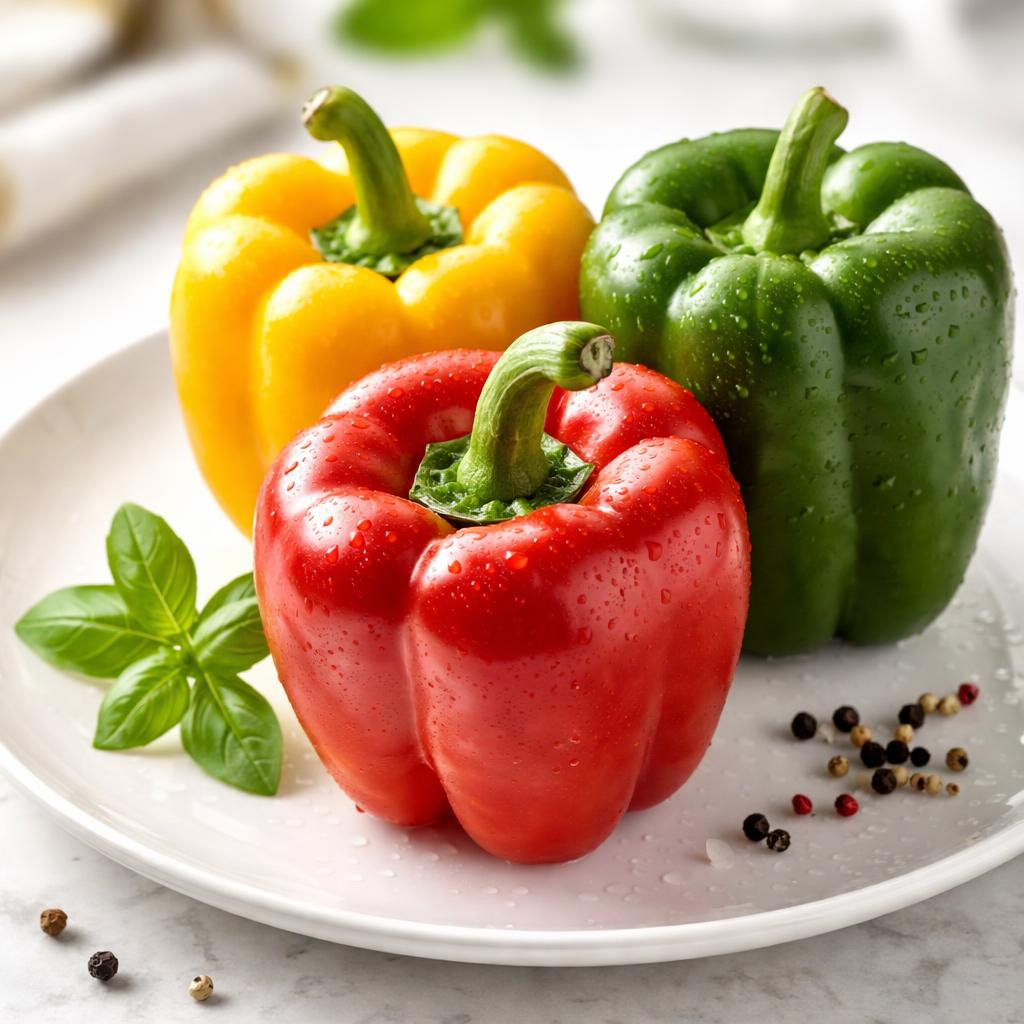
Bell Peppers
🎯 Quick Verdict
Cherry tomatoes and bell peppers both offer excellent nutritional value but cater to slightly different dietary needs. Cherry tomatoes are lower in calories and carbohydrates, making them well-suited for weight-loss diets, while bell peppers provide more fiber and vitamins such as vitamin C and A. Both are versatile, nutrient-dense, and complement various healthy eating plans.

Smart Nutrition Tracking with SnapCalorie

📊 Nutritional Comparison
Macronutrients
| Nutrient | Food 1 | Food 2 | Winner |
|---|---|---|---|
| Calories | 18 | 40 | ✓ |
| Protein | 0.88g | 1g | − |
| Carbs | 3.9g | 9g | ✓ |
| Fat | 0.2g | 0.3g | − |
| Fiber | 1.2g | 3.1g | ✓ |
Vitamins & Minerals
| Nutrient | Food 1 | Food 2 | Winner |
|---|---|---|---|
| Vitamin C | 15mg | 127.7mg | ✓ |
| Vitamin A | 833IU | 4666IU | ✓ |
| Potassium | 170mg | 211mg | ✓ |
| Folate | 18mcg | 23mcg | ✓ |
🏆 Category Winners
Protein
Both foods provide very similar amounts of protein per serving.
Fiber
Bell peppers deliver nearly triple the fiber of cherry tomatoes per serving.
Calories
Cherry tomatoes have less than half the calories of bell peppers, ideal for calorie-conscious diets.
Vitamins
Bell peppers surpass cherry tomatoes in key vitamins like vitamin C, vitamin A, and folate.
🥗 Diet Compatibility
Keto
Food 1: Compatible
Food 2: Compatible
Both foods are low in carbs and fit well into keto diets.
Vegan
Food 1: Compatible
Food 2: Compatible
Both are plant-based and vegan-friendly.
Gluten Free
Food 1: Compatible
Food 2: Compatible
Neither food contains gluten.
Paleo
Food 1: Compatible
Food 2: Compatible
Both are unprocessed whole foods suitable for paleo diets.
Low-Carb
Food 1: More Compatible
Food 2: Less Compatible
Cherry tomatoes are lower in carbohydrates, making them a better fit for stricter low-carb diets.
💪 Health Benefits Comparison
Food 1 Benefits
- Low in calories for weight management
- Rich in antioxidants such as lycopene for cell protection
- Provides potassium for heart health
- Supports hydration with high water content
Food 2 Benefits
- High in vitamin C for immune system support
- Rich in vitamin A for eye health
- Contains fiber for improved digestion
- Offers a variety of antioxidants, including carotenoids, to combat inflammation
✅ The Bottom Line
Cherry tomatoes are excellent for low-calorie diets, hydration, and antioxidant intake, while bell peppers excel in fiber, vitamin A, and vitamin C content, making them great for immune support and digestion. Both foods are versatile and nutrient-dense options depending on dietary needs.
Choose Food 1 for: Weight loss, hydration, antioxidant-rich diets
Choose Food 2 for: Digestive health, immune support, high-nutrient meals


