Cherry Tomatoes VS Asparagus
A detailed nutritional comparison
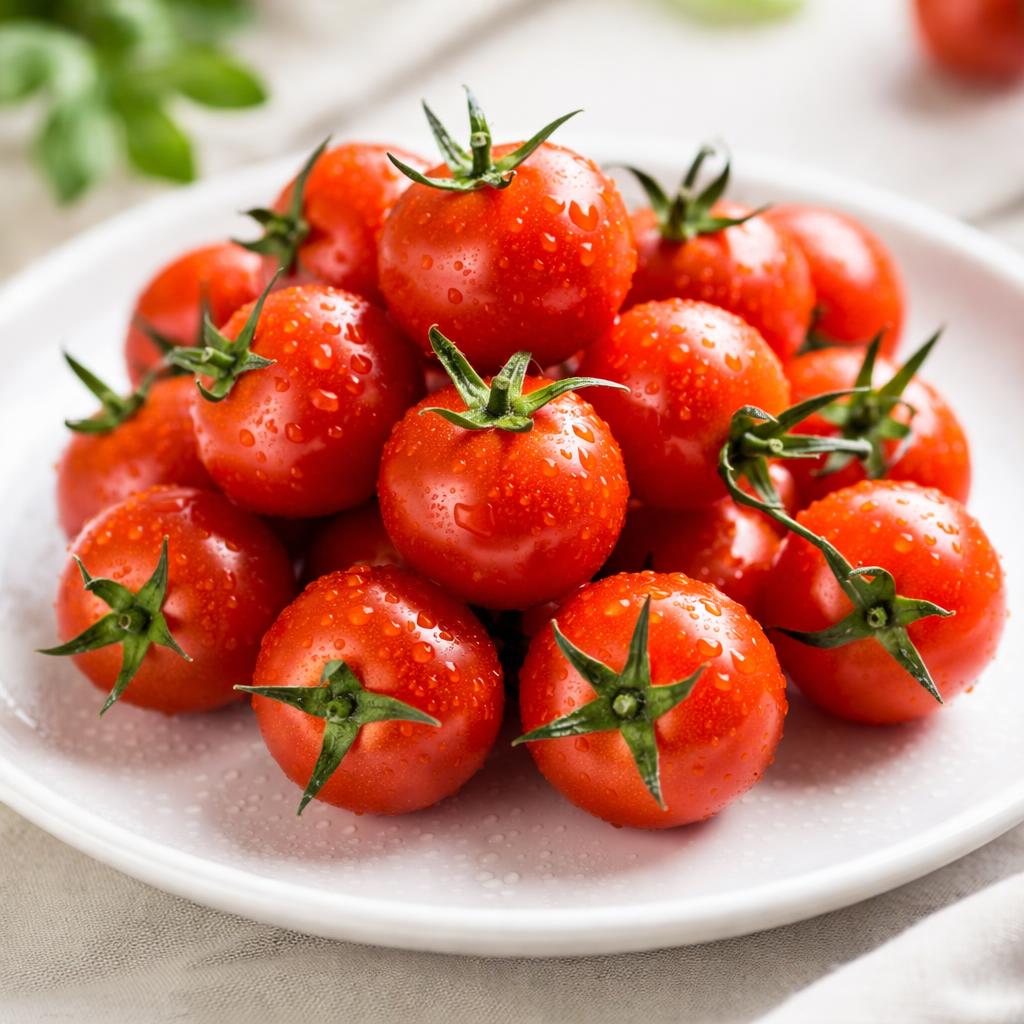
Cherry Tomatoes
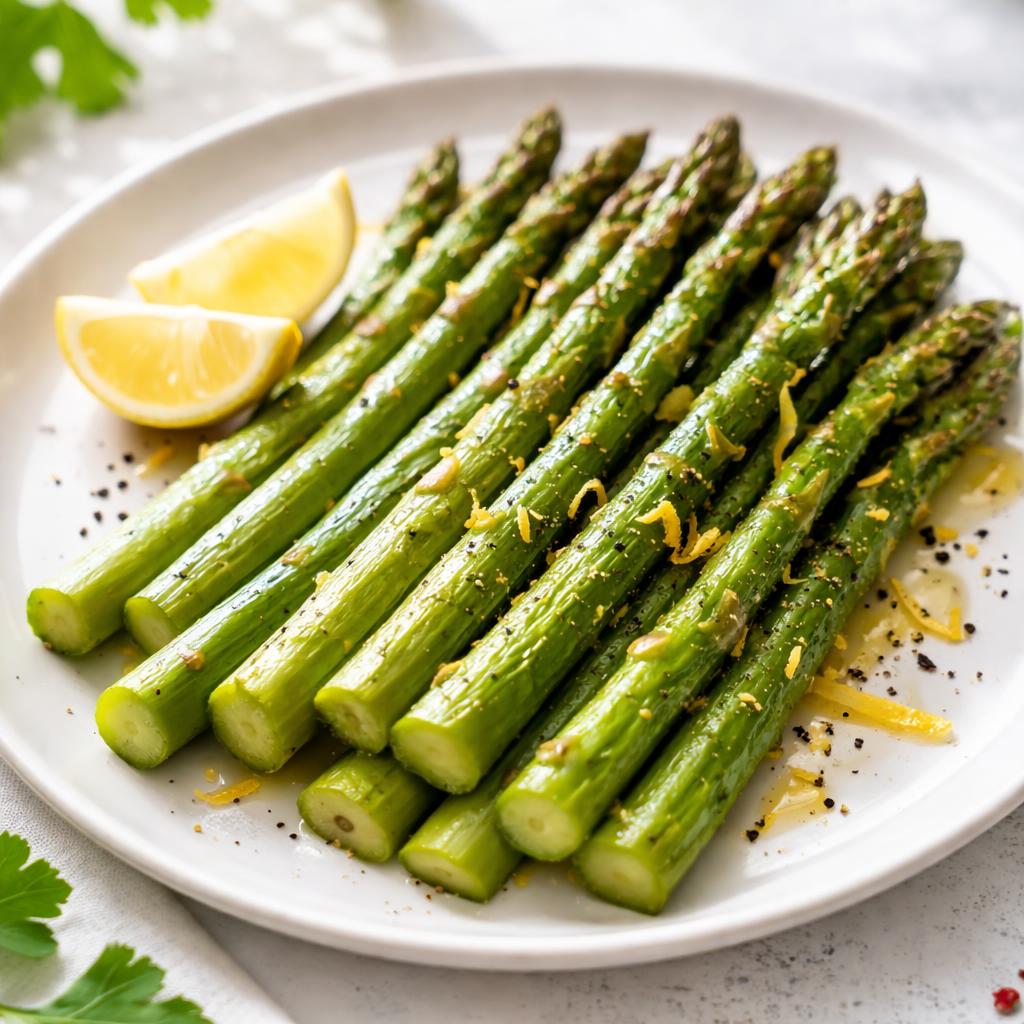
Asparagus
🎯 Quick Verdict
Asparagus is more nutrient-dense with higher protein, fiber, and vitamins compared to cherry tomatoes, which are lower in calories and carbohydrates. Cherry tomatoes are ideal for low-calorie snacks, while asparagus provides more substantial nutrition for balanced meals and diets focused on micronutrient intake.

Smart Nutrition Tracking with SnapCalorie

📊 Nutritional Comparison
Macronutrients
| Nutrient | Food 1 | Food 2 | Winner |
|---|---|---|---|
| Calories | 18 per 100g | 20 per 100g | ✓ |
| Protein | 0.9g | 2.2g | ✓ |
| Carbs | 3.9g | 3.7g | ✓ |
| Fat | 0.2g | 0.1g | ✓ |
| Fiber | 1.2g | 2g | ✓ |
Vitamins & Minerals
| Nutrient | Food 1 | Food 2 | Winner |
|---|---|---|---|
| Vitamin A | 1000 IU | 756 IU | ✓ |
| Vitamin C | 25mg | 5.6mg | ✓ |
| Vitamin K | 7.9mcg | 41.6mcg | ✓ |
| Folate | 13mcg | 52mcg | ✓ |
| Iron | 0.3mg | 1.1mg | ✓ |
🏆 Category Winners
Protein
Asparagus has over double the protein content (2.2g vs 0.9g per 100g).
Fiber
Asparagus provides 67% more fiber per serving (2g vs 1.2g per 100g).
Calories
Cherry tomatoes have slightly fewer calories (18 vs 20 per 100g).
Vitamins
Asparagus has higher levels of Vitamin K, Folate, and Iron, supporting blood health.
🥗 Diet Compatibility
Keto
Food 1: Compatible
Food 2: Compatible
Both are low in carbohydrates and suitable for keto diets.
Vegan
Food 1: Compatible
Food 2: Compatible
Both are plant-based foods.
Gluten Free
Food 1: Compatible
Food 2: Compatible
Neither food contains gluten.
Paleo
Food 1: Compatible
Food 2: Compatible
Both are whole, unprocessed foods suitable for paleo diets.
Low Carb
Food 1: Compatible
Food 2: Compatible
Both are low-carb with under 4g net carbs per 100g serving.
💪 Health Benefits Comparison
Food 1 Benefits
- Low calorie for weight management
- Rich in Vitamin C for immune support
- Contains antioxidants like lycopene for cellular health
Food 2 Benefits
- High in fiber for improved digestion and gut health
- Rich in Vitamin K for bone health and proper blood clotting
- Good source of Folate for cell growth and development
✅ The Bottom Line
Choose cherry tomatoes for low-calorie snacks and a boost in Vitamin C and Vitamin A. Opt for asparagus for higher protein, fiber, and an extensive range of essential nutrients like Vitamin K, Folate, and Iron. Both are excellent additions to a healthy diet, but asparagus may be better for more robust nutrient density.
Choose Food 1 for: Weight loss, snacking, enhancing salads or dishes with flavor and low calories
Choose Food 2 for: Gut health, bone strength, overall nutrient density, balanced meals


