Cheese VS Whole Milk
A detailed nutritional comparison
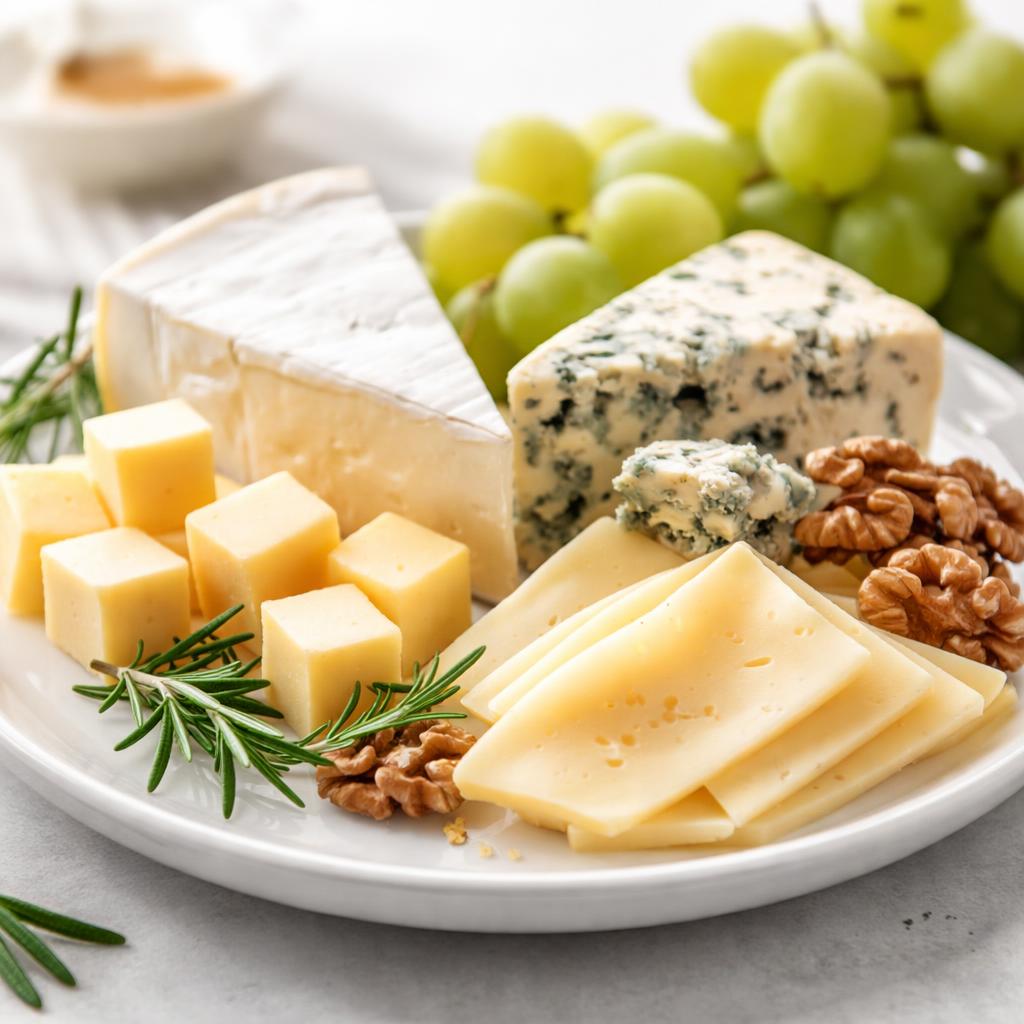
Cheese
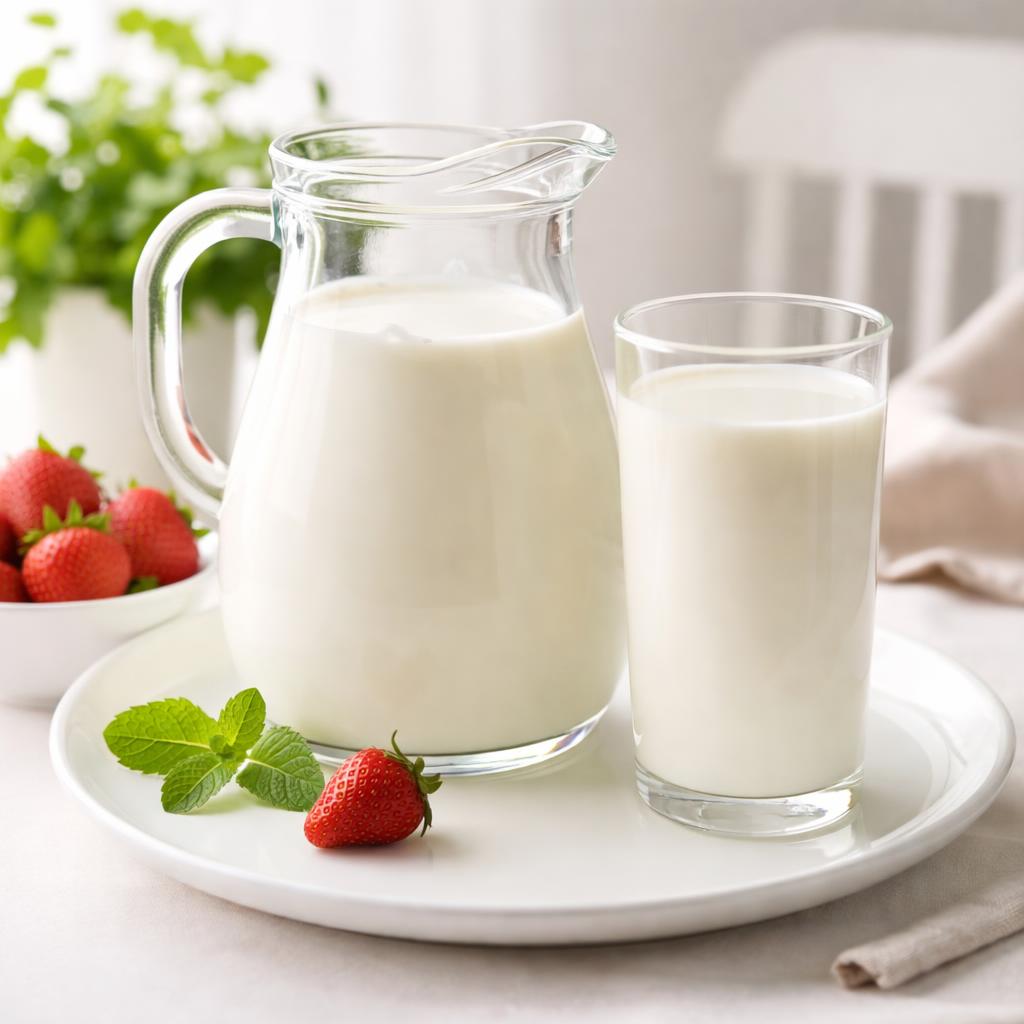
Whole Milk
🎯 Quick Verdict
Cheese offers higher protein and fat content, making it ideal for keto diets and muscle-building, whereas whole milk contains fewer calories per serving and provides hydration along with balanced macronutrients. Both foods are rich in calcium, but cheese has a denser nutrient profile overall, while milk is better for those seeking lighter options with versatile use in smoothies and cereals.

Smart Nutrition Tracking with SnapCalorie

📊 Nutritional Comparison
Macronutrients
| Nutrient | Food 1 | Food 2 | Winner |
|---|---|---|---|
| Calories | 402 (per 100g) | 62 (per 100ml) | ✓ |
| Protein | 25g | 3.2g | ✓ |
| Carbs | 1.3g | 4.7g | ✓ |
| Fat | 33g | 3.3g | ✓ |
| Fiber | 0g | 0g | − |
Vitamins & Minerals
| Nutrient | Food 1 | Food 2 | Winner |
|---|---|---|---|
| Vitamin D | 0.3mcg | 0.1mcg | ✓ |
| Calcium | 721mg | 113mg | ✓ |
| Iron | 0.7mg | 0.2mg | ✓ |
🏆 Category Winners
Protein
Cheese has significantly higher protein content (25g vs. 3.2g, nearly 8x more).
Fiber
Both cheese and milk contain 0g of fiber.
Calories
Whole milk has far fewer calories per serving (62 vs. 402).
Vitamins
Cheese is richer in calcium, Vitamin D, and iron compared to milk.
🥗 Diet Compatibility
Keto
Food 1: Compatible
Food 2: Partially Compatible
Cheese's high fat and low carbs make it ideal; milk is moderate in carbs (4.7g per 100ml).
Vegan
Food 1: Not Compatible
Food 2: Not Compatible
Both are dairy products and unsuitable for a vegan diet.
Gluten Free
Food 1: Compatible
Food 2: Compatible
Neither cheese nor milk contains gluten.
Paleo
Food 1: Partially Compatible
Food 2: Partially Compatible
While dairy is generally excluded in strict paleo diets, some people include fermented or grass-fed options like cheese and milk.
Low Carb
Food 1: Compatible
Food 2: Partially Compatible
Cheese is very low-carb (1.3g per 100g); milk is moderate-carb (4.7g per 100ml).
💪 Health Benefits Comparison
Food 1 Benefits
- Rich in protein for muscle growth and repair
- Excellent source of calcium for bone health
- High-fat content for energy in keto diets
- Contains conjugated linoleic acid (CLA) with potential health benefits
Food 2 Benefits
- Hydrating and nutrient-balanced
- Provides lactose as an energy source
- Rich in calcium for teeth and bone health
- Contains key electrolytes like potassium for hydration
✅ The Bottom Line
Choose cheese for high-protein diets, keto plans, or flavorful additions to meals. Opt for whole milk for hydration, fewer calories, and versatile use in smoothies or cereal. Cheese is nutrient-dense but calorie-rich, while milk is lighter and more balanced across macronutrients.
Choose Food 1 for: Keto, muscle-building, post-workout, nutrient-dense meals
Choose Food 2 for: Hydration, weight management, versatile use in cooking and smoothies


