Cheese VS Vegetables
A detailed nutritional comparison
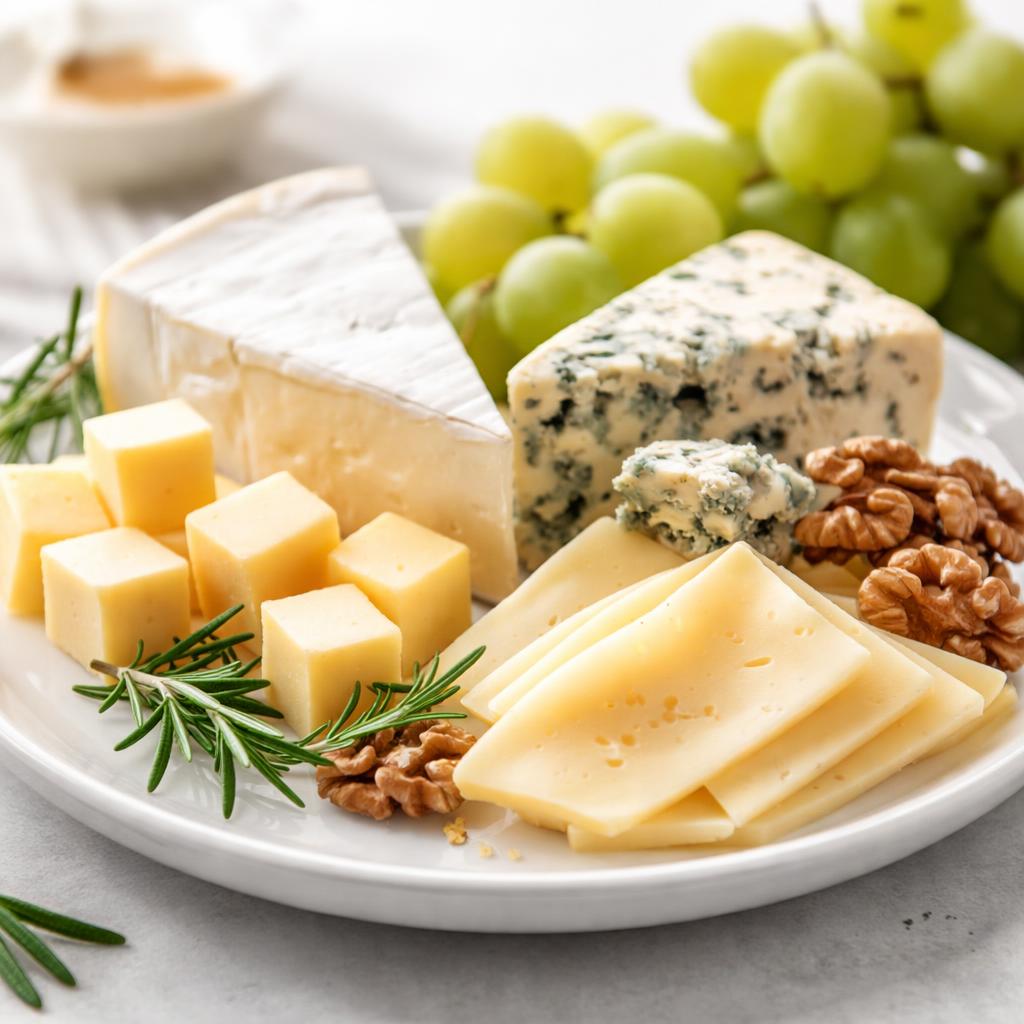
Cheese
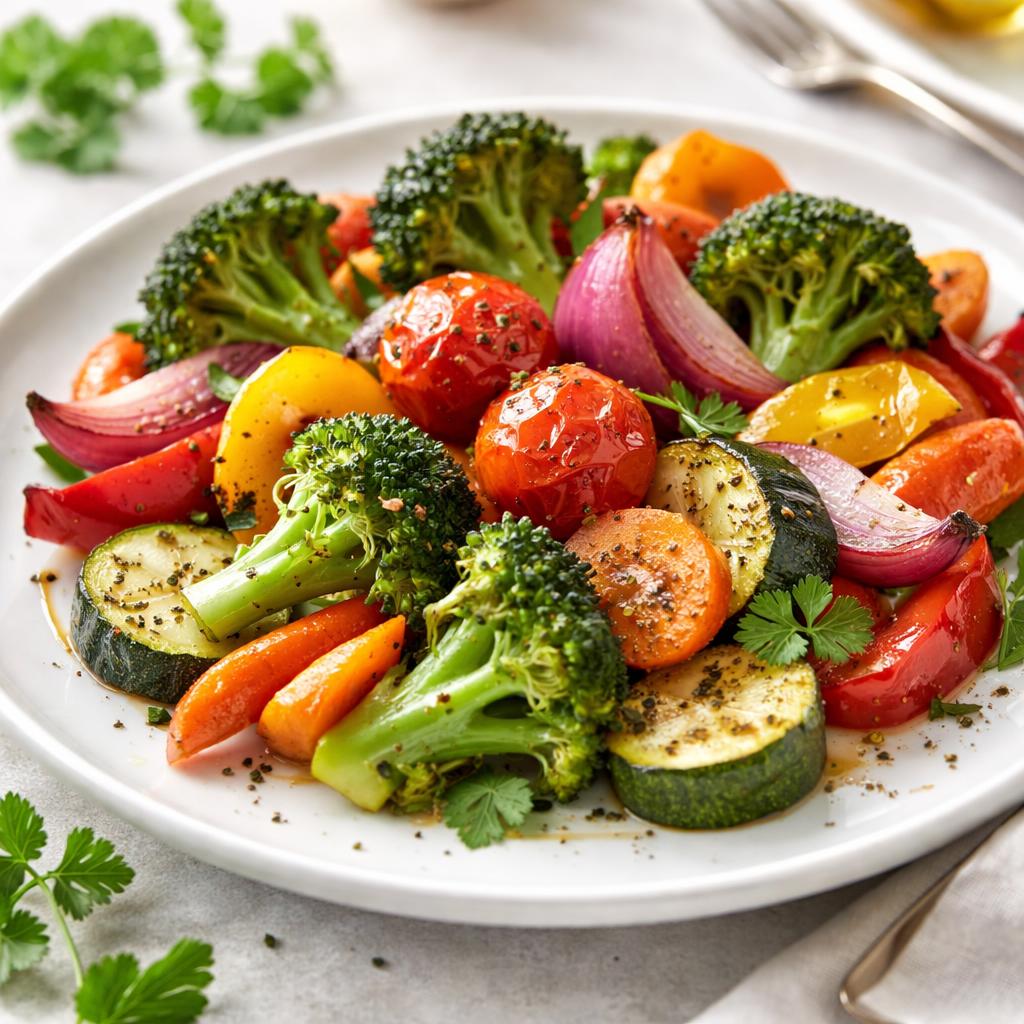
Vegetables
🎯 Quick Verdict
Cheese is a protein-rich, calorie-dense food, making it ideal for muscle recovery and high-fat diets like keto. Vegetables are fiber-rich, lower in calories, and nutrient-dense, offering a broader range of vitamins and minerals, making them perfect for weight management and overall health improvement.

Smart Nutrition Tracking with SnapCalorie

📊 Nutritional Comparison
Macronutrients
| Nutrient | Food 1 | Food 2 | Winner |
|---|---|---|---|
| Calories | 100 kcal per ounce | 25 kcal per cup | ✓ |
| Protein | 7g per ounce | 2g per cup | ✓ |
| Carbs | 1g per ounce | 5g per cup | ✓ |
| Fat | 8g per ounce | 0g per cup | ✓ |
| Fiber | 0g per ounce | 2g per cup | ✓ |
Vitamins & Minerals
| Nutrient | Food 1 | Food 2 | Winner |
|---|---|---|---|
| Vitamin C | 0mg per ounce | 50mg per cup | ✓ |
| Vitamin A | 300 IU per ounce | 2000 IU per cup | ✓ |
| Calcium | 200mg per ounce | 30mg per cup | ✓ |
| Iron | 0mg per ounce | 1mg per cup | ✓ |
🏆 Category Winners
Protein
Cheese contains significantly more protein, with 7g per ounce compared to 2g per cup in vegetables.
Fiber
Vegetables contain 2g of fiber per cup while cheese has no fiber.
Calories
Vegetables are much lower in calories compared to cheese, making them ideal for calorie-conscious diets.
Vitamins
Vegetables provide a broader range of essential vitamins, including significantly higher vitamin C and vitamin A levels.
🥗 Diet Compatibility
Keto
Food 1: Compatible
Food 2: Compatible
Cheese is inherently low in carbs and fits into keto. Non-starchy vegetables are also keto-compatible.
Vegan
Food 1: Not Compatible
Food 2: Compatible
Cheese is animal-derived, whereas vegetables are fully plant-based.
Gluten Free
Food 1: Compatible
Food 2: Compatible
Neither cheese nor non-starchy vegetables contain gluten.
Paleo
Food 1: Conditionally Compatible
Food 2: Compatible
Cheese is generally avoided in strict paleo diets, but vegetables fit this dietary plan.
Low Carb
Food 1: Compatible
Food 2: Compatible
Cheese is naturally low in carbs, while vegetables are low-carb depending on the type.
💪 Health Benefits Comparison
Food 1 Benefits
- Rich in protein to support muscle growth and repair
- High in calcium, promoting strong bones and teeth
- Provides healthy fats for sustained energy
Food 2 Benefits
- Excellent source of fiber for digestive health
- Rich in antioxidants for reducing inflammation
- High levels of vitamin C boost immune function
- Low calorie density aids in weight management
✅ The Bottom Line
Cheese is ideal for those seeking a protein-rich, low-carb option for muscle recovery or ketogenic diets. Conversely, vegetables shine as a nutrient-dense, low-calorie food packed with fiber and vitamins, suitable for overall health and weight maintenance. Both can complement a balanced diet depending on the dietary goals.
Choose Food 1 for: Muscle building, keto diets, calcium intake
Choose Food 2 for: Weight loss, digestive health, immune support


