Cheese VS Vegetable Medley
A detailed nutritional comparison
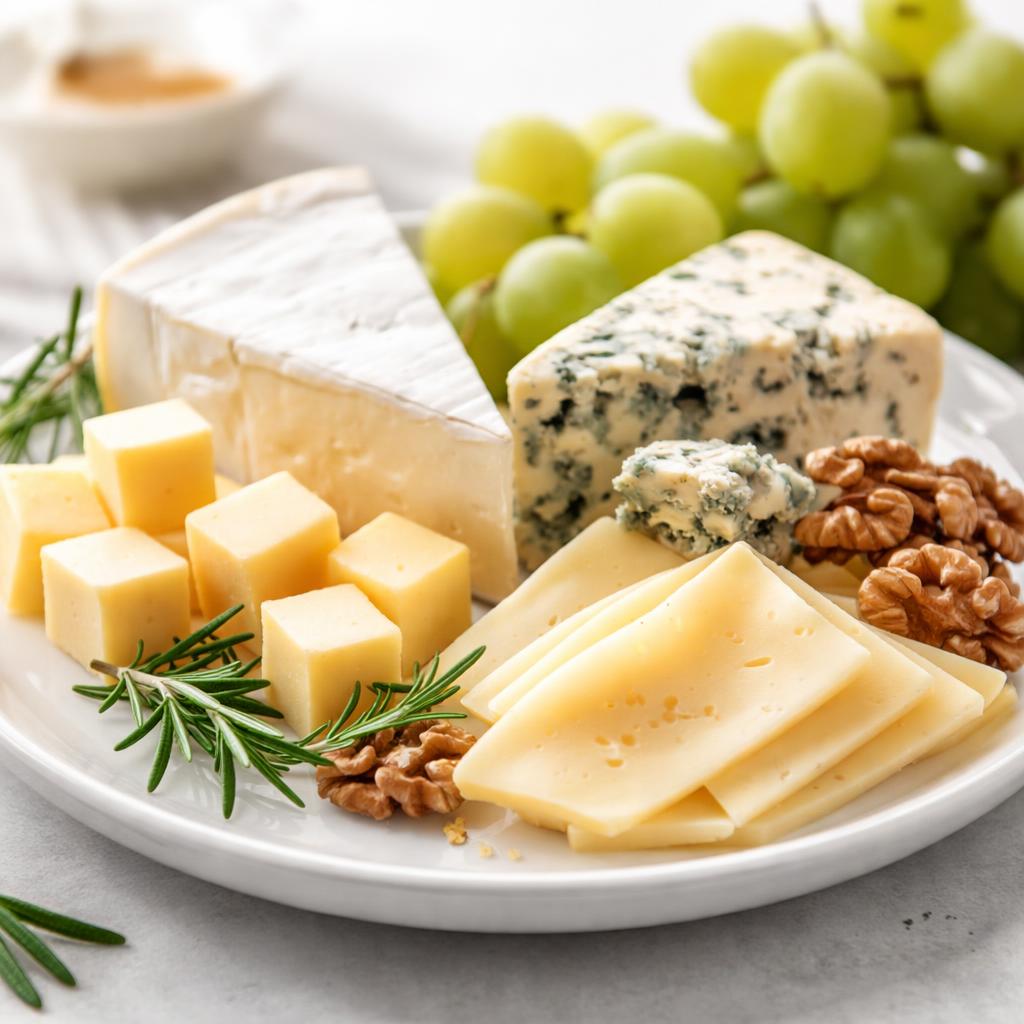
Cheese
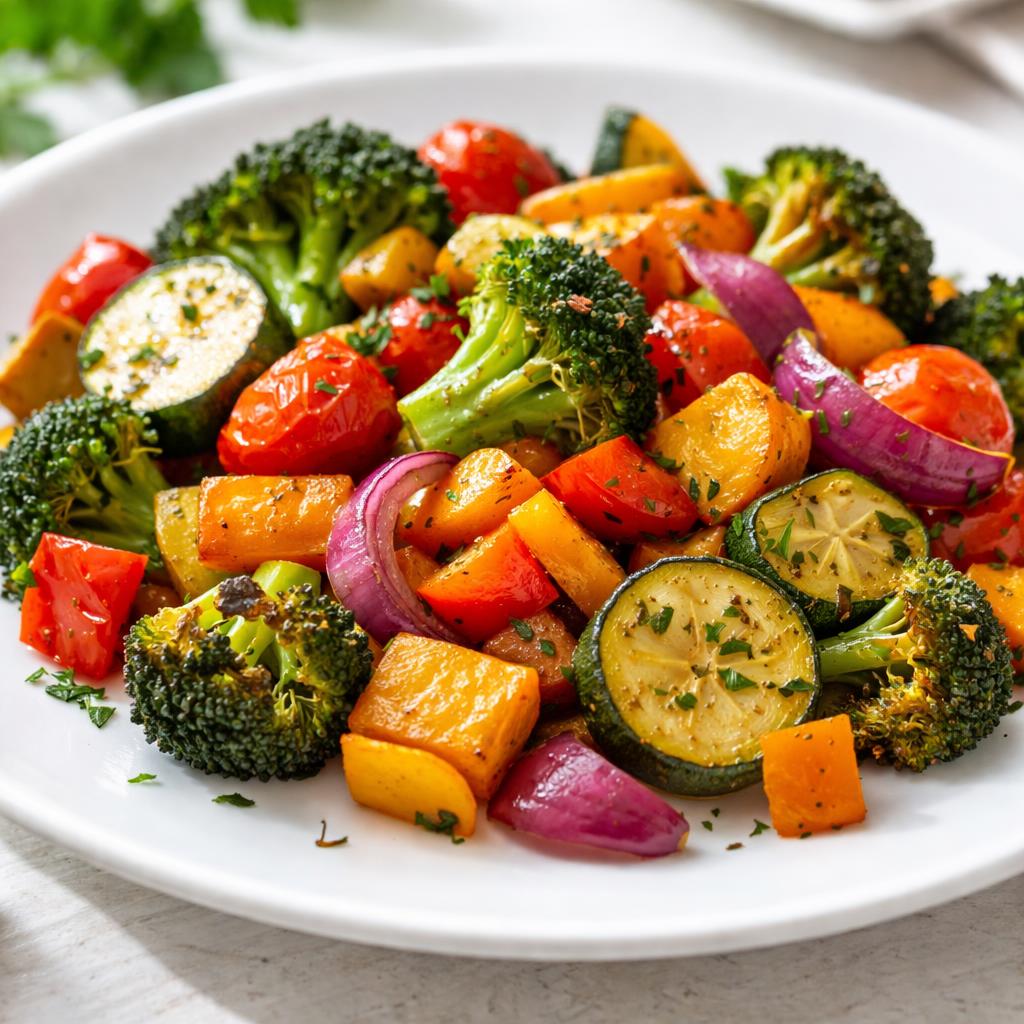
Vegetable Medley
🎯 Quick Verdict
Cheese is a protein-dense, calorie-rich food ideal for muscle building or keto diets, while a vegetable medley is lower in calories and high in fiber, making it better suited for weight management and promoting digestive health. Cheese provides calcium and Vitamin B12, whereas vegetables are rich in Vitamin C and antioxidants, offering synergy for their health benefits depending on your dietary goals.

Smart Nutrition Tracking with SnapCalorie

📊 Nutritional Comparison
Macronutrients
| Nutrient | Food 1 | Food 2 | Winner |
|---|---|---|---|
| Calories | 120 kcal per ounce | 50 kcal per cup | ✓ |
| Protein | 7g per ounce | 2g per cup | ✓ |
| Carbs | 1g per ounce | 10g per cup | ✓ |
| Fat | 10g per ounce | 0g per cup | ✓ |
| Fiber | 0g per ounce | 3g per cup | ✓ |
Vitamins & Minerals
| Nutrient | Food 1 | Food 2 | Winner |
|---|---|---|---|
| Vitamin D | 0.2mcg per ounce | 0mcg per cup | ✓ |
| Calcium | 200mg per ounce | 40mg per cup | ✓ |
| Iron | 0mg per ounce | 1mg per cup | ✓ |
| Vitamin C | 0mg per ounce | 45mg per cup | ✓ |
| Vitamin A | 262 IU per ounce | 3000 IU per cup | ✓ |
🏆 Category Winners
Protein
Cheese contains 250% more protein than a vegetable medley.
Fiber
Vegetable medley is fiber-rich, with 3g per cup compared to 0g for cheese.
Calories
Vegetable medley is much lower in calories per serving, ideal for weight management.
Vitamins
Vegetable medley provides more Vitamin C, Vitamin A, and Iron, ideal for immunity and overall health.
🥗 Diet Compatibility
Keto
Food 1: Compatible
Food 2: Not Compatible
Cheese is high-fat and low-carb, while vegetables contain more carbs that can exceed keto limits.
Vegan
Food 1: Not Compatible
Food 2: Compatible
Cheese is derived from dairy, whereas vegetables are entirely plant-based.
Gluten Free
Food 1: Compatible
Food 2: Compatible
Neither contains gluten, making both suitable for gluten-free diets.
Paleo
Food 1: Not Compatible
Food 2: Compatible
Cheese is discouraged on Paleo diets, while vegetables align well with Paleo principles.
Low-Carb
Food 1: Compatible
Food 2: Partially Compatible
Cheese has only 1g carbs per ounce, while vegetables contain 10g per cup, which may exceed strict low-carb limits.
💪 Health Benefits Comparison
Food 1 Benefits
- Excellent source of protein for muscle growth and repair
- Rich in calcium for strong bones and teeth
- Provides Vitamin B12 for energy production and nervous system health
Food 2 Benefits
- High in dietary fiber for digestive health and satiety
- Rich in Vitamin C to boost immunity and skin health
- Contains antioxidants that protect against free radical damage
- Low in calories, aiding in weight management
✅ The Bottom Line
Choose cheese if you're seeking protein density, calcium, and a keto-friendly option. Opt for vegetable medley if you prioritize fiber, vitamins, and antioxidant benefits while managing calorie intake. Both can complement each other for a balanced meal.
Choose Food 1 for: Keto diets, muscle building, nutrient-dense snacks
Choose Food 2 for: Weight management, immunity support, plant-based diets


