Cheese VS Tuna
A detailed nutritional comparison
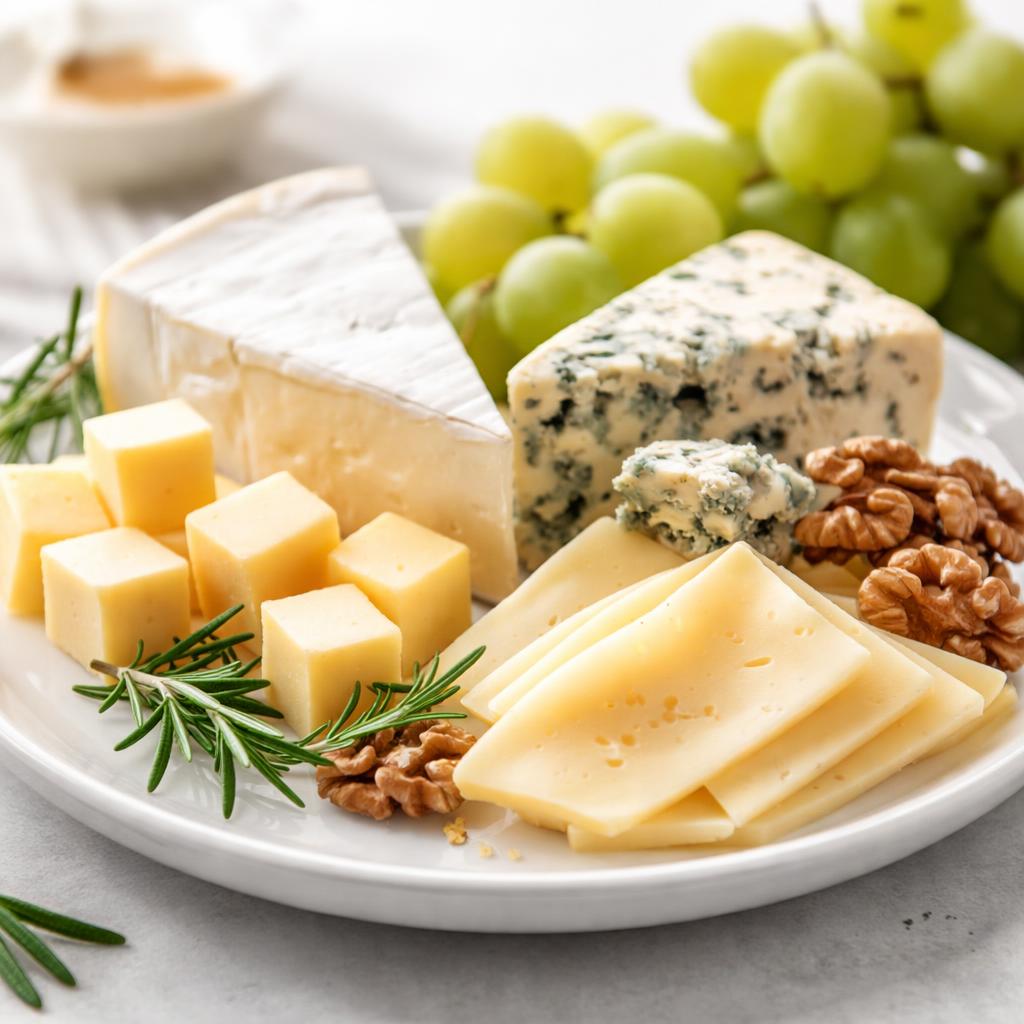
Cheese
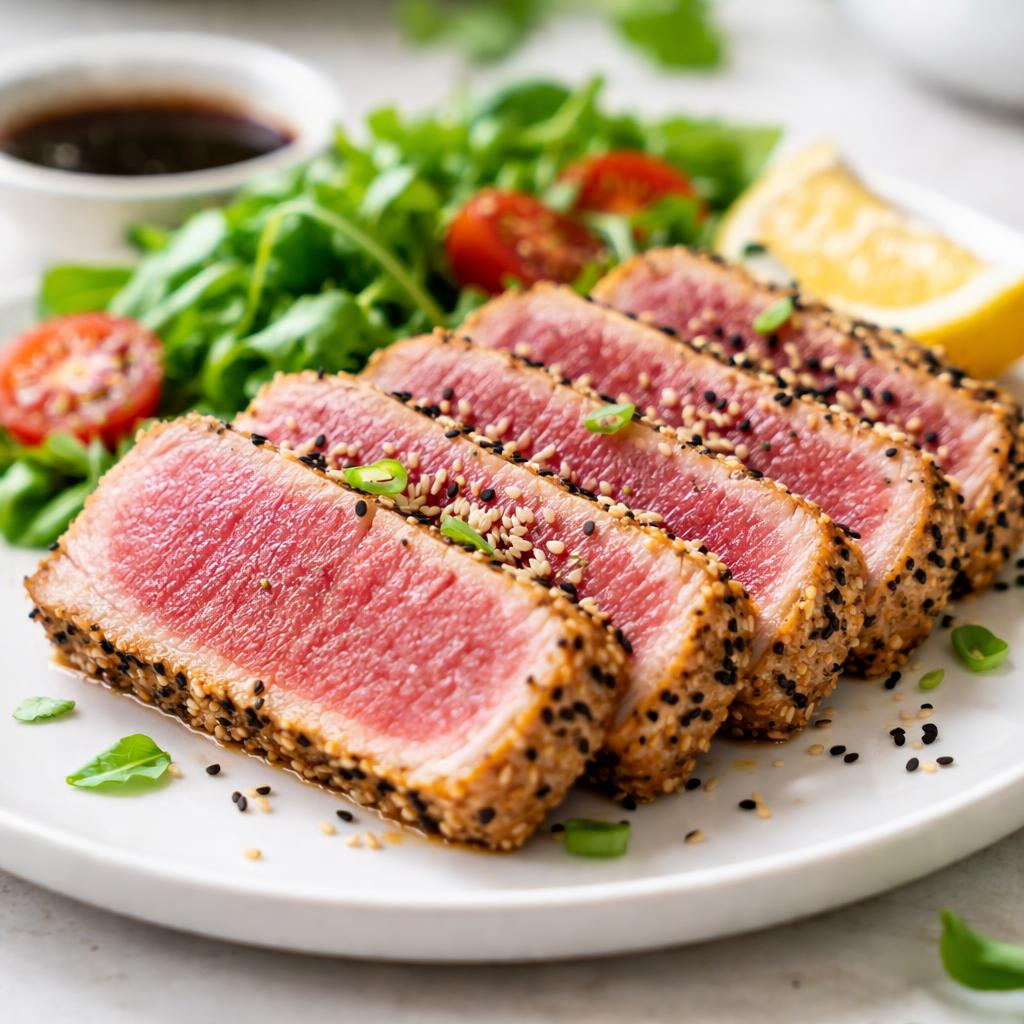
Tuna
🎯 Quick Verdict
Cheese and tuna both offer unique nutritional benefits. Tuna is significantly higher in protein and lower in calories, making it ideal for weight management and muscle-building diets. Cheese, on the other hand, provides more fat and calcium, making it better suited for energy and bone health support. Both foods are versatile but serve differing dietary needs based on personal goals.

Smart Nutrition Tracking with SnapCalorie

📊 Nutritional Comparison
Macronutrients
| Nutrient | Food 1 | Food 2 | Winner |
|---|---|---|---|
| Calories | 402 per 100g | 132 per 100g | ✓ |
| Protein | 25g per 100g | 29g per 100g | ✓ |
| Carbs | 1.3g per 100g | 0g per 100g | ✓ |
| Fat | 33.1g per 100g | 0.6g per 100g | ✓ |
| Fiber | 0g per 100g | 0g per 100g | − |
Vitamins & Minerals
| Nutrient | Food 1 | Food 2 | Winner |
|---|---|---|---|
| Calcium | 720mg per 100g | 10mg per 100g | ✓ |
| Vitamin D | 0.18mcg per 100g | 1.7mcg per 100g | ✓ |
| Potassium | 98mg per 100g | 363mg per 100g | ✓ |
| Iron | 0.2mg per 100g | 1.3mg per 100g | ✓ |
🏆 Category Winners
Protein
Tuna has an impressive 29 grams of protein per 100 grams, which is higher than cheese's 25 grams.
Fiber
Neither cheese nor tuna contains fiber, making this category a tie.
Calories
Tuna is much lower in calories, with only 132 per 100 grams compared to cheese's 402 per 100 grams.
Vitamins
Tuna provides higher amounts of Vitamin D, potassium, and iron, while cheese excels in calcium.
🥗 Diet Compatibility
Keto
Food 1: Compatible
Food 2: Compatible
Both cheese and tuna are low-carb, high-protein options suited for keto diets.
Vegan
Food 1: Not Compatible
Food 2: Not Compatible
Both foods are animal-based and not suitable for vegans.
Gluten Free
Food 1: Compatible
Food 2: Compatible
Neither cheese nor tuna contains gluten.
Paleo
Food 1: Not Compatible
Food 2: Compatible
Tuna fits into paleo diets, while cheese generally does not due to dairy restrictions.
Low-Carb
Food 1: Compatible
Food 2: Compatible
Both foods offer very low carbohydrate content, making them ideal for low-carb diets.
💪 Health Benefits Comparison
Food 1 Benefits
- Rich in calcium for strong bones and teeth
- Good fat source for sustaining energy levels
- Contains protein to support muscle maintenance and growth
- Provides small amounts of Vitamin D
Food 2 Benefits
- High protein content to build and repair muscle
- Low in calories, ideal for weight management
- Rich in omega-3 fatty acids for heart health
- Provides Vitamin D and iron for immune and blood health
✅ The Bottom Line
Cheese is best for those needing an energy boost, calcium for bone health, or following keto diets that rely on fat. Tuna, however, is better suited for high-protein diets focusing on lean muscle, weight management, and heart health. Choose based on your specific dietary goals.
Choose Food 1 for: Bone health, high-fat keto diets, sustained energy
Choose Food 2 for: Weight loss, muscle building, low-calorie diets


