Cheese VS Tomato Slice
A detailed nutritional comparison
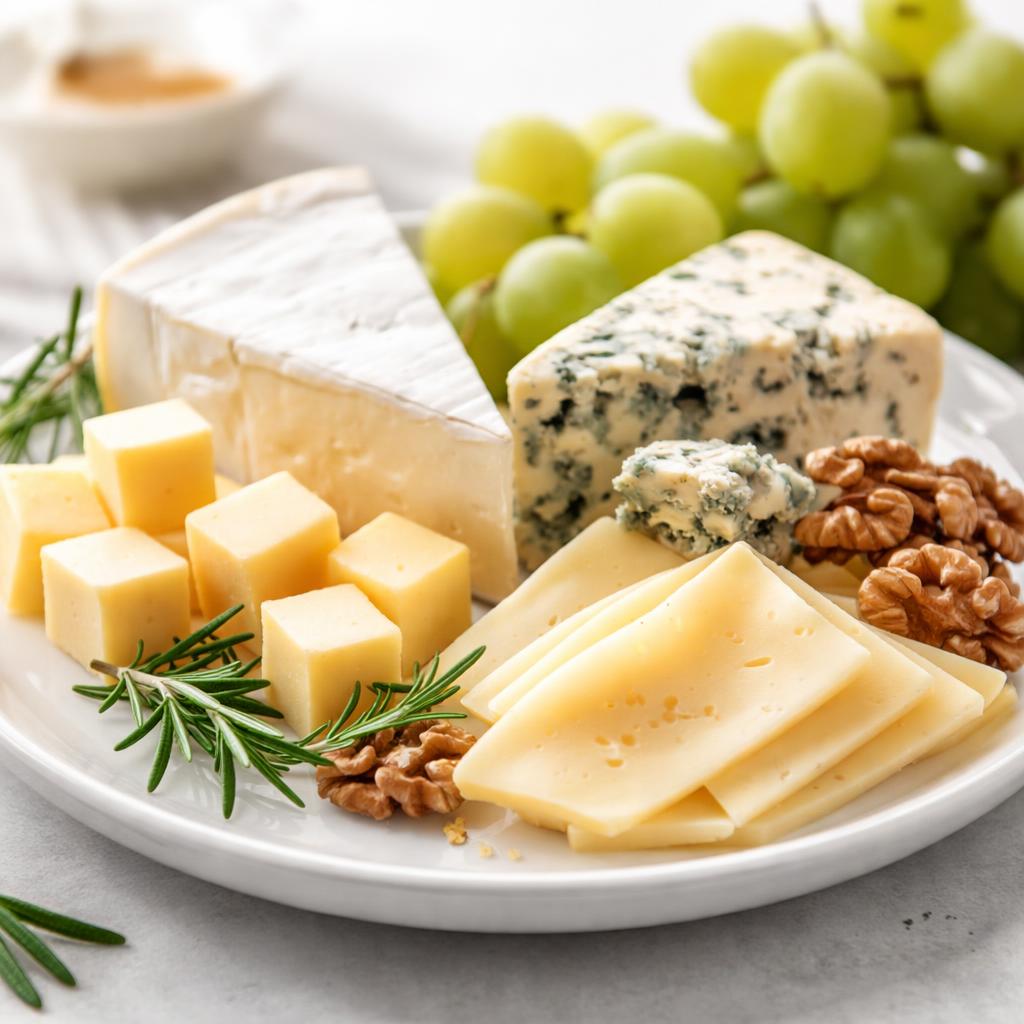
Cheese
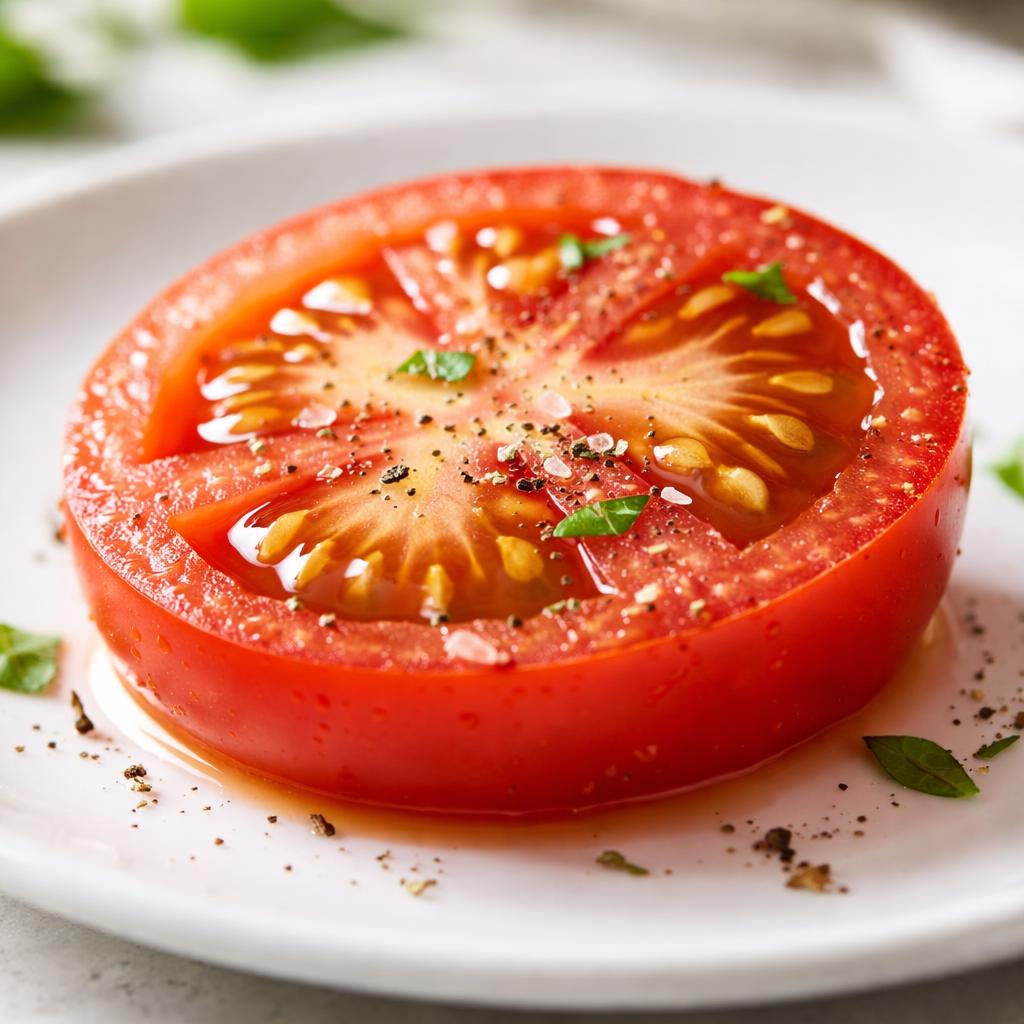
Tomato Slice
🎯 Quick Verdict
Cheese is higher in protein, fats, and calories, making it ideal for keto diets and muscle maintenance, while tomato slices are lower in calories and pack more fiber, which supports digestion and weight loss goals. Cheese provides significant vitamins like calcium, whereas tomatoes are rich in antioxidants like vitamin C and lycopene – great for immune support and heart health.

Smart Nutrition Tracking with SnapCalorie

📊 Nutritional Comparison
Macronutrients
| Nutrient | Food 1 | Food 2 | Winner |
|---|---|---|---|
| Calories | 113 (per 1 oz) | 5 (per 1 slice) | ✓ |
| Protein | 7g | 0.2g | ✓ |
| Carbs | 1g | 1g | − |
| Fat | 9g | 0g | ✓ |
| Fiber | 0g | 0.5g | ✓ |
Vitamins & Minerals
| Nutrient | Food 1 | Food 2 | Winner |
|---|---|---|---|
| Vitamin C | 0mg | 3mg | ✓ |
| Vitamin A | 200 IU | 500 IU | ✓ |
| Calcium | 200mg | 5mg | ✓ |
| Lycopene | 0mg | 2573mcg | ✓ |
🏆 Category Winners
Protein
Cheese provides 35x more protein per serving than tomato slices.
Fiber
Tomato slices contain 0.5g of fiber per slice while cheese contains none.
Calories
Tomato slices are significantly lower in calories compared to cheese.
Vitamins
Tomatoes provide meaningful amounts of vitamin C, lycopene, and vitamin A, unlike cheese.
🥗 Diet Compatibility
Keto
Food 1: Compatible
Food 2: Compatible
Cheese is high in fat and low in carbs; tomatoes are low in carbs and calories.
Vegan
Food 1: Not Compatible
Food 2: Compatible
Cheese is an animal product; tomatoes are plant-based.
Gluten Free
Food 1: Compatible
Food 2: Compatible
Neither cheese nor tomato slices contain gluten.
Paleo
Food 1: Compatible
Food 2: Compatible
Both foods are allowed on paleo diets.
Low Carb
Food 1: Compatible
Food 2: Compatible
Cheese is very low in carbs (1g per oz), and tomato slices contain negligible carbs (1g per slice).
💪 Health Benefits Comparison
Food 1 Benefits
- Rich in protein for muscle growth and maintenance
- Excellent source of calcium for strong bones
- Provides healthy fats to support energy and ketosis
Food 2 Benefits
- High in antioxidants like lycopene to combat oxidative stress
- Rich in vitamin C for immune system support
- Low in calories and high in fiber, aiding digestion and weight management
✅ The Bottom Line
Choose cheese for protein, fats, and muscle support, especially on keto or paleo diets. Opt for tomato slices for low-calorie, high-fiber options with antioxidants that benefit heart health and immunity.
Choose Food 1 for: Keto diets, muscle building, rich energy source
Choose Food 2 for: Weight management, antioxidant support, low-calorie meals


