Cheese VS Tea
A detailed nutritional comparison
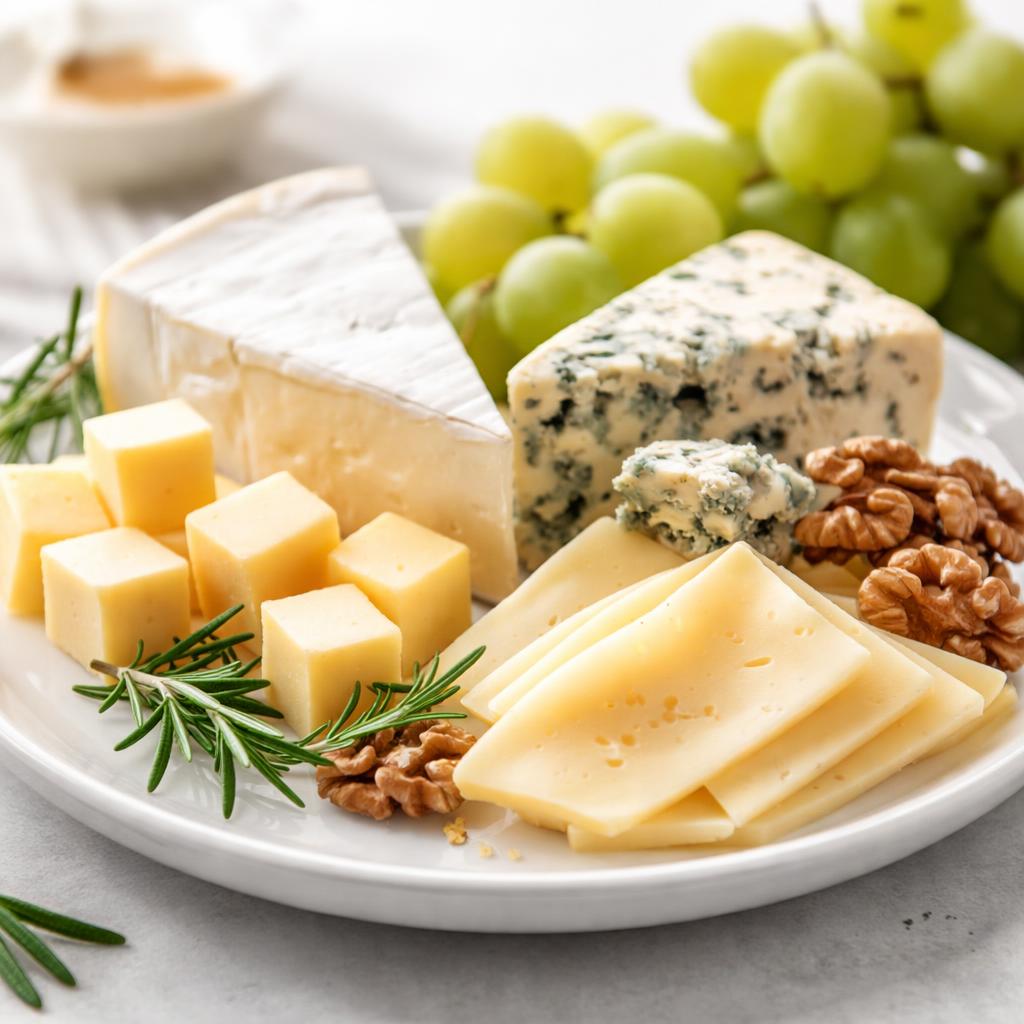
Cheese
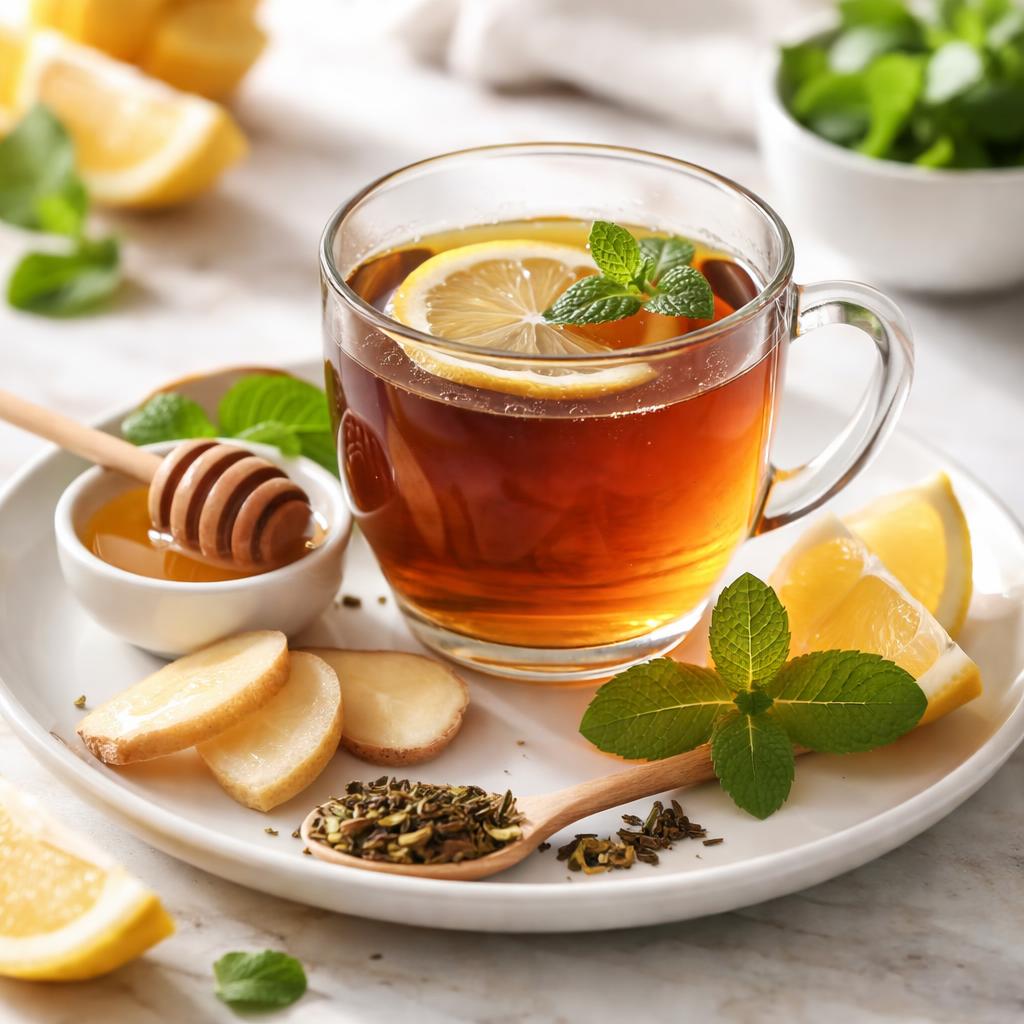
Tea
🎯 Quick Verdict
Cheese and tea serve very different dietary roles with contrasting nutritional profiles. Cheese is nutrient-dense, offering high protein, calcium, and fat, while tea is calorie-free, hydrating, and a rich source of antioxidants. Cheese is better for muscle building and bone health, while tea is ideal for hydration and supporting heart health due to its polyphenols.

Smart Nutrition Tracking with SnapCalorie

📊 Nutritional Comparison
Macronutrients
| Nutrient | Food 1 | Food 2 | Winner |
|---|---|---|---|
| Calories | 120 (per ounce) | 0 (unsweetened, per cup) | ✓ |
| Protein | 7g | 0g | ✓ |
| Carbs | 1g | 0g | ✓ |
| Fat | 10g | 0g | ✓ |
| Fiber | 0g | 0g | − |
Vitamins & Minerals
| Nutrient | Food 1 | Food 2 | Winner |
|---|---|---|---|
| Vitamin D | 0.2mcg | 0mcg | ✓ |
| Calcium | 200mg | 0mg | ✓ |
| Iron | 0mg | 0.2mg | ✓ |
🏆 Category Winners
Protein
Cheese contains 7g of protein per ounce, while tea has none.
Fiber
Neither cheese nor tea contains significant fiber.
Calories
Unsweetened tea is calorie-free compared to 120 calories per ounce of cheese.
🥗 Diet Compatibility
Keto
Food 1: Compatible
Food 2: Compatible
Cheese is high fat and low-carb while unsweetened tea contains no carbs.
Vegan
Food 1: Not Compatible
Food 2: Compatible
Cheese is an animal-derived product; tea is plant-derived.
Gluten Free
Food 1: Compatible
Food 2: Compatible
Neither cheese nor tea contains gluten.
Paleo
Food 1: Compatible
Food 2: Compatible
Both foods align with paleo principles (assuming no additives in tea).
Low Carb
Food 1: Compatible
Food 2: Compatible
Both foods are low in carbohydrates.
💪 Health Benefits Comparison
Food 1 Benefits
- Rich source of calcium for bone health
- High in protein for muscle maintenance
- Contains vitamin D which supports immunity and bone strength
- Provides healthy fats for energy (if consumed in moderation)
Food 2 Benefits
- Zero calories for weight management
- Provides antioxidants like polyphenols which support heart health
- Hydrating and promotes metabolism
- Mild source of iron to support blood health
✅ The Bottom Line
Choose cheese when you need a protein-rich, calcium-packed food for muscle or bone support. Opt for tea when hydration, antioxidants, or low-calorie beverages are your priority. Both are excellent choices for specific dietary goals, but they serve very different purposes.
Choose Food 1 for: Bone health, muscle building, high-protein diets, keto-friendly snacking
Choose Food 2 for: Weight management, hydration, heart health, antioxidants


