Cheese VS Squash
A detailed nutritional comparison
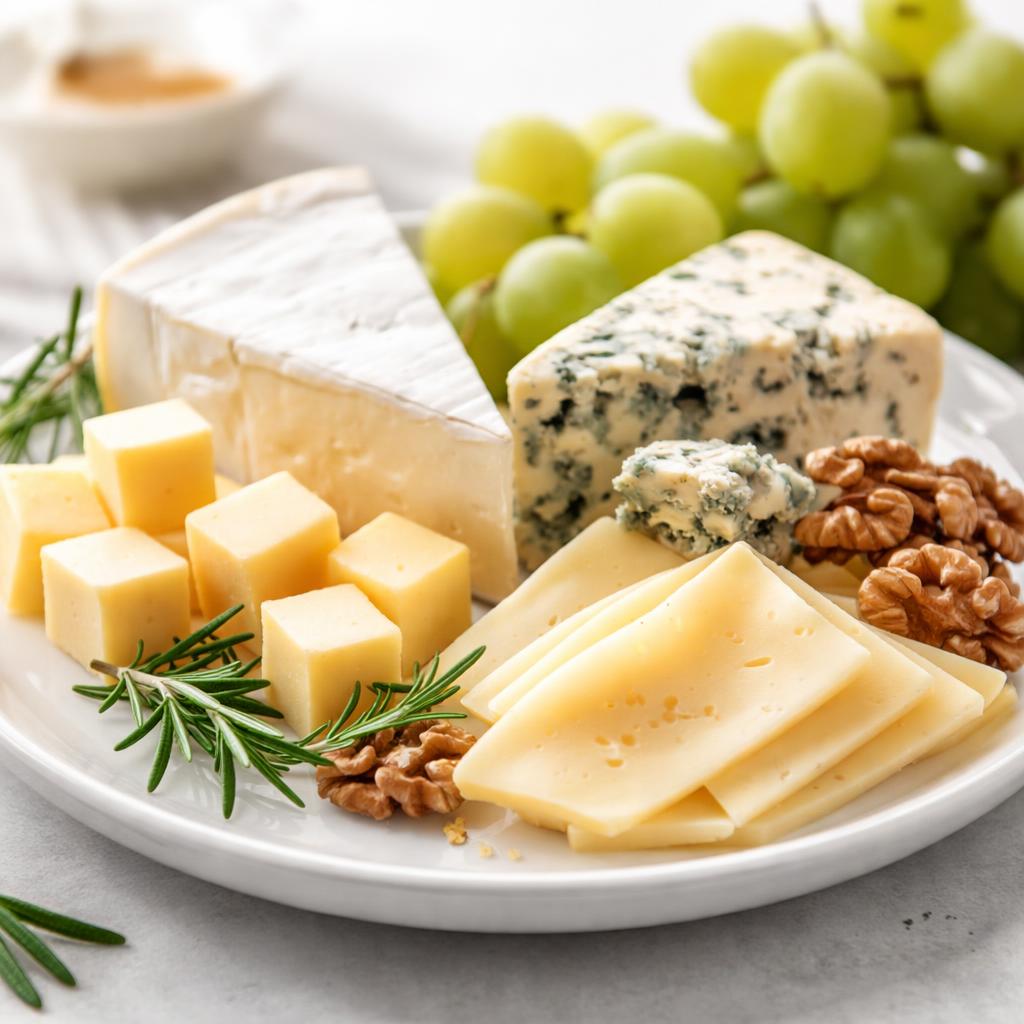
Cheese
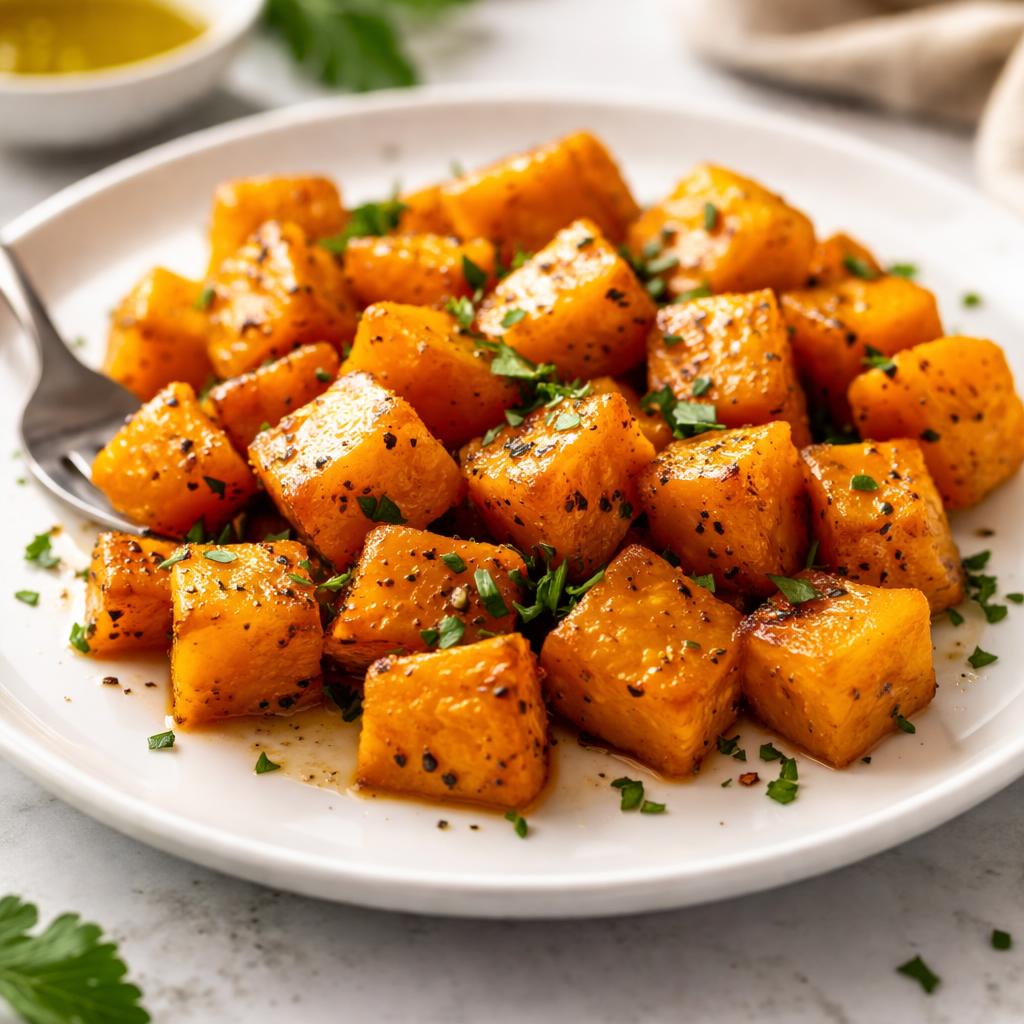
Squash
🎯 Quick Verdict
Cheese and squash differ significantly in their nutritional profiles. Cheese is high in protein and fat, making it ideal for high-protein and keto diets, whereas squash is lower in calories and rich in fiber, vitamins, and minerals, making it great for weight management and nutrient density. Both have their unique strengths depending on dietary goals and preferences.

Smart Nutrition Tracking with SnapCalorie

📊 Nutritional Comparison
Macronutrients
| Nutrient | Food 1 | Food 2 | Winner |
|---|---|---|---|
| Calories | 113 | 42 | ✓ |
| Protein | 7g | 1g | ✓ |
| Carbs | 1g | 10g | ✓ |
| Fat | 9g | 0g | ✓ |
| Fiber | 0g | 2g | ✓ |
Vitamins & Minerals
| Nutrient | Food 1 | Food 2 | Winner |
|---|---|---|---|
| Vitamin C | 0mg | 15mg | ✓ |
| Vitamin A | 29IU | 47IU | ✓ |
| Calcium | 200mg | 30mg | ✓ |
| Iron | 0mg | 0.7mg | ✓ |
🏆 Category Winners
Protein
Cheese contains 7g of protein per serving, whereas squash provides only 1g.
Fiber
Squash contains 2g of fiber, making it better for digestion.
Calories
Squash has 63% fewer calories than cheese.
Vitamins
Squash is richer in Vitamin C, Vitamin A, and iron compared to cheese.
🥗 Diet Compatibility
Keto
Food 1: Compatible
Food 2: Not Compatible
Cheese is low in carbs (1g per serving), making it ideal for keto diets.
Vegan
Food 1: Not Compatible
Food 2: Compatible
Cheese is dairy-based, while squash is plant-based.
Gluten Free
Food 1: Compatible
Food 2: Compatible
Neither food contains gluten.
Paleo
Food 1: Not Compatible
Food 2: Compatible
Cheese may not align with paleo principles, while squash is naturally allowed.
Low-Carb
Food 1: Compatible
Food 2: Partially Compatible
Cheese is very low in carbs, while squash contains moderate carbs (10g per serving).
💪 Health Benefits Comparison
Food 1 Benefits
- High in protein to support muscle growth and maintenance
- Rich in calcium for bone health
- Provides healthy fats for energy and satiety
Food 2 Benefits
- Low in calories, supporting weight management goals
- High in fiber for digestive health
- Rich in vitamins like Vitamin C and A, supporting immune function and eye health
✅ The Bottom Line
Choose cheese for higher protein and fat content, making it suitable for keto dieters or as a snack with sustained energy. Opt for squash if you're looking for a low-calorie, high-fiber option that provides a vitamin boost for overall health.
Choose Food 1 for: Keto diets, muscle gain, snack pairing
Choose Food 2 for: Weight loss, nutrient-dense meals, digestive health support


