Cheese VS Scrambled Eggs With Vegetables
A detailed nutritional comparison
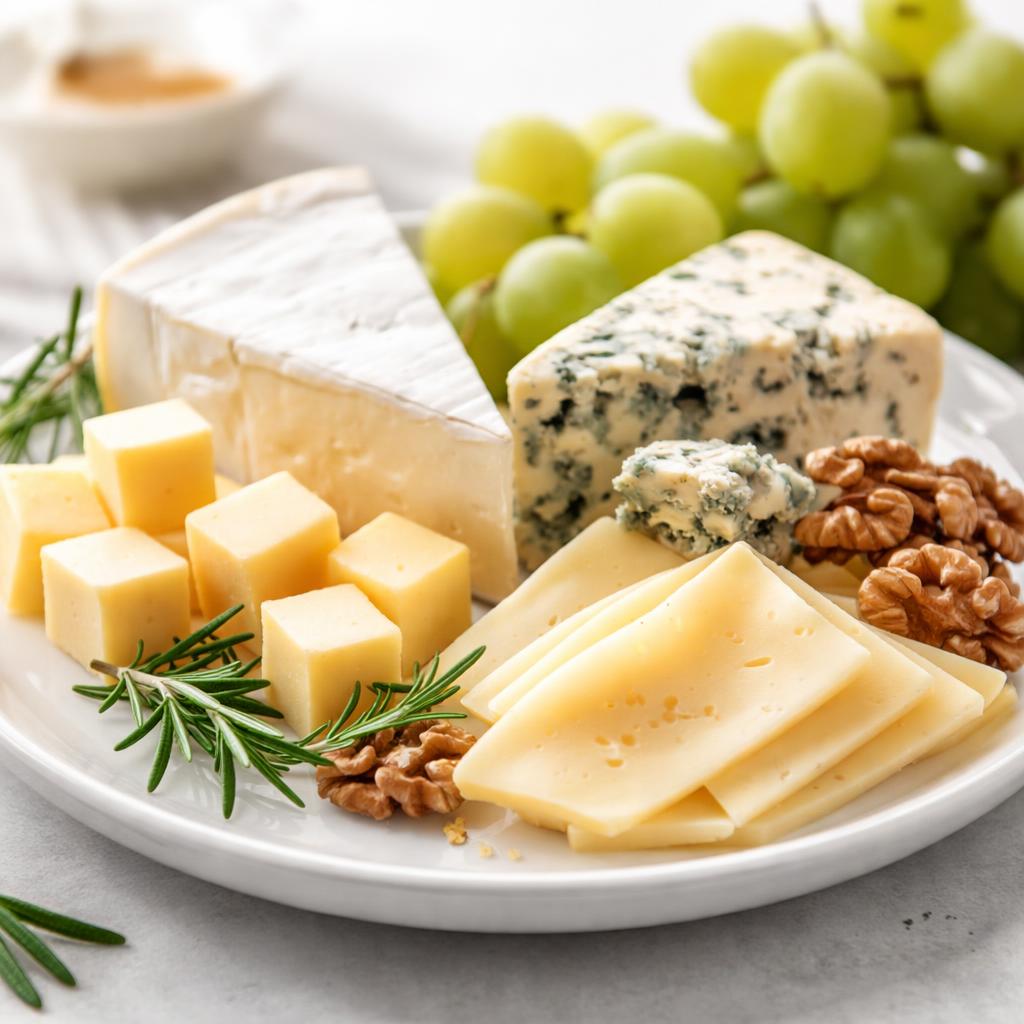
Cheese
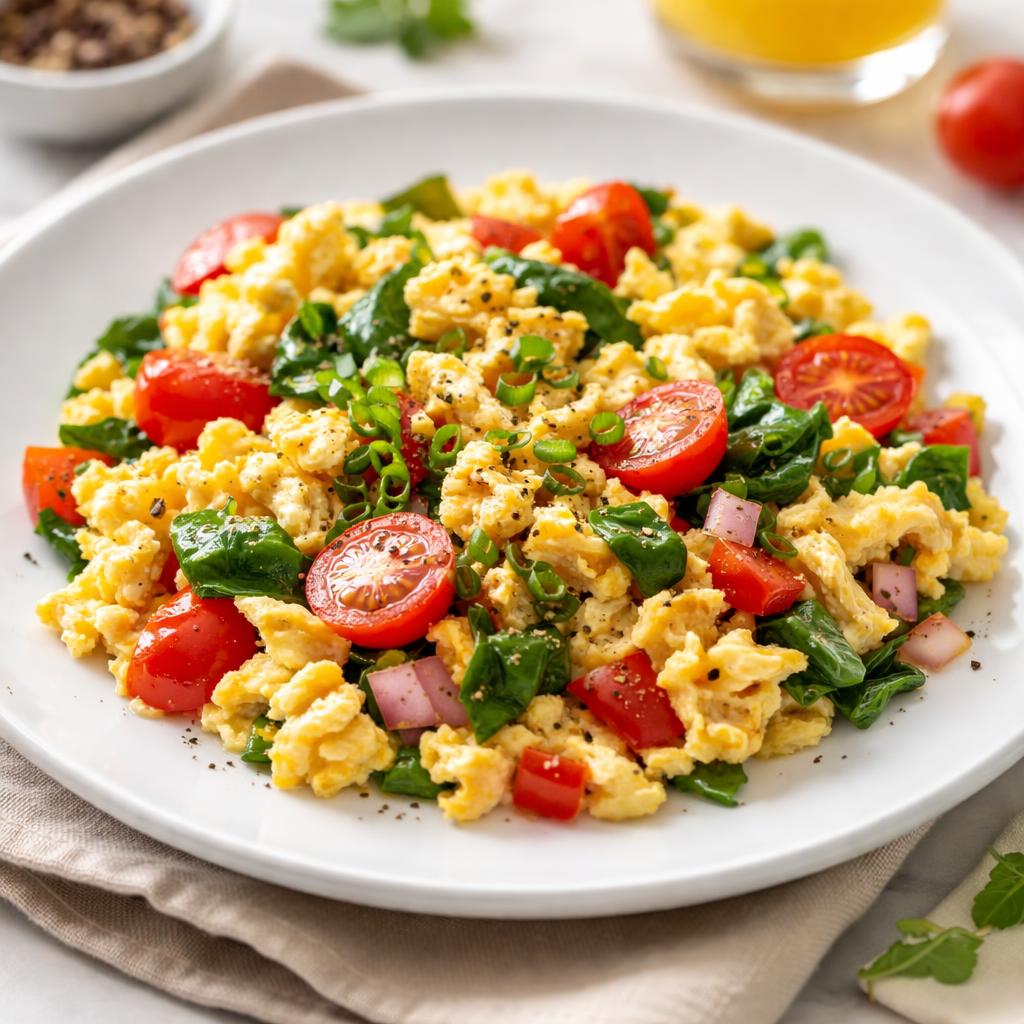
Scrambled Eggs With Vegetables
🎯 Quick Verdict
Cheese and scrambled eggs with vegetables are both nutrient-dense options. Cheese provides higher calcium and fat while scrambled eggs offer fiber and antioxidants from vegetables. Eggs with vegetables are better for overall nutrient diversity and digestion support, while cheese is a good choice for concentrated protein and calcium intake.

Smart Nutrition Tracking with SnapCalorie

📊 Nutritional Comparison
Macronutrients
| Nutrient | Food 1 | Food 2 | Winner |
|---|---|---|---|
| Calories | 120 per ounce | 120 per serving (2 eggs + vegetables) | − |
| Protein | 7g per ounce | 7g per serving | − |
| Carbs | 1g per ounce | 6g per serving | ✓ |
| Fat | 9g per ounce | 8g per serving | ✓ |
| Fiber | 0g per ounce | 2g per serving | ✓ |
Vitamins & Minerals
| Nutrient | Food 1 | Food 2 | Winner |
|---|---|---|---|
| Calcium | 200mg per ounce | 50mg per serving | ✓ |
| Vitamin D | 0.2mcg per ounce | 1.2mcg per serving | ✓ |
| Vitamin A | 280IU per ounce | 900IU per serving | ✓ |
| Vitamin C | 0mg | 15mg per serving | ✓ |
🏆 Category Winners
Protein
Both foods provide equal amounts of protein per serving.
Fiber
Scrambled eggs with vegetables contain 2g of fiber, while cheese has none.
Calories
Both foods are equally caloric at roughly 120 calories per serving.
Vitamins
Vegetables and eggs contribute a broader range of vitamins, including vitamin D, A, and C.
🥗 Diet Compatibility
Keto
Food 1: Compatible
Food 2: Compatible
Both foods are low in carbohydrates.
Vegan
Food 1: Not Compatible
Food 2: Not Compatible
Both foods are animal-based.
Gluten Free
Food 1: Compatible
Food 2: Compatible
Neither food contains gluten.
Paleo
Food 1: Not Compatible
Food 2: Compatible
Cheese is excluded in paleo diets, but eggs and vegetables fit.
Low-Carb
Food 1: Compatible
Food 2: Compatible
Both are low-carb options.
💪 Health Benefits Comparison
Food 1 Benefits
- Rich in calcium for bone strength
- Provides high-quality protein for muscle building
- Fat content supports energy and absorption of fat-soluble vitamins
Food 2 Benefits
- Provides fiber from vegetables to aid digestion
- High in vitamin A for eye health and immunity
- Contains vitamin D to support bone health
✅ The Bottom Line
Choose scrambled eggs with vegetables for a well-rounded, vitamin-rich meal good for digestion and overall health. Opt for cheese when aiming for concentrated protein and calcium intake with minimal preparation.
Choose Food 1 for: Quick snacks, protein intake, calcium boost
Choose Food 2 for: Balanced meals, digestion support, nutrient diversity


