Cheese VS Sausage Roll
A detailed nutritional comparison
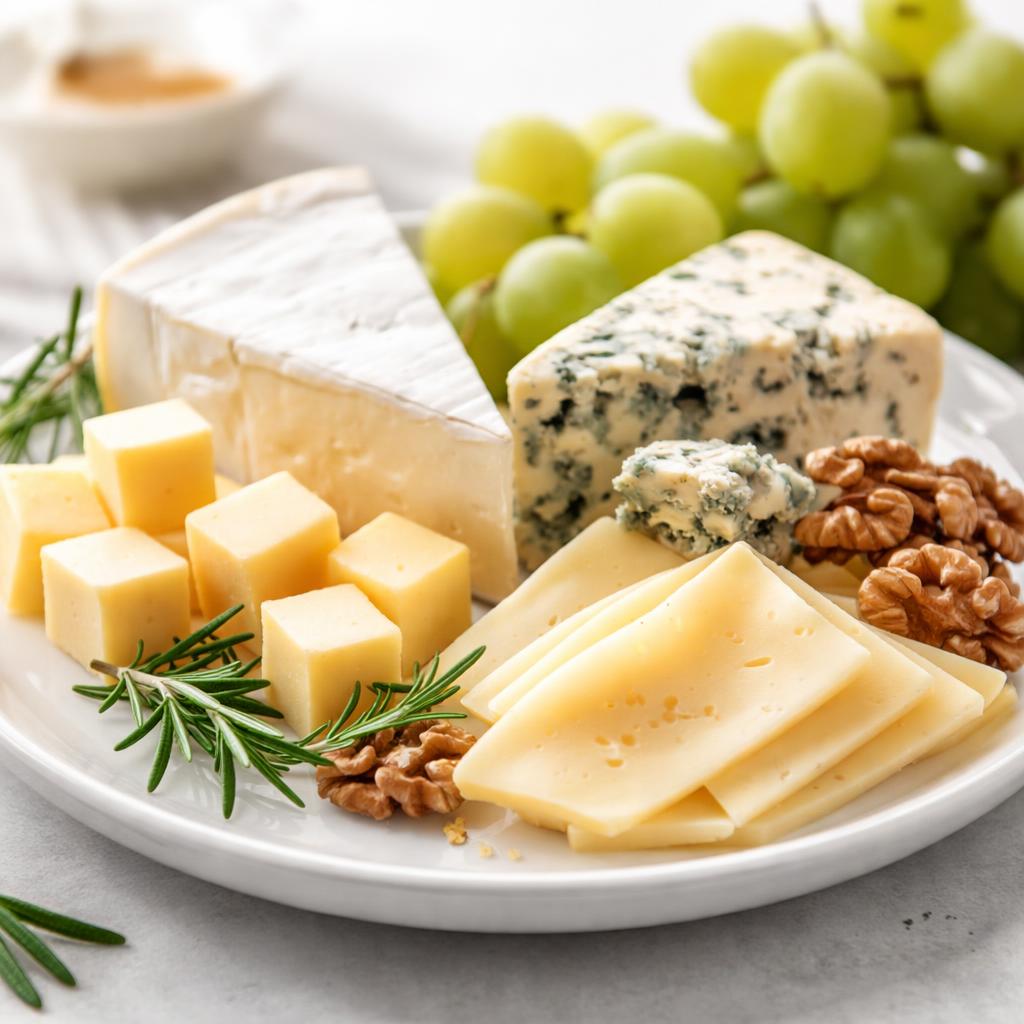
Cheese
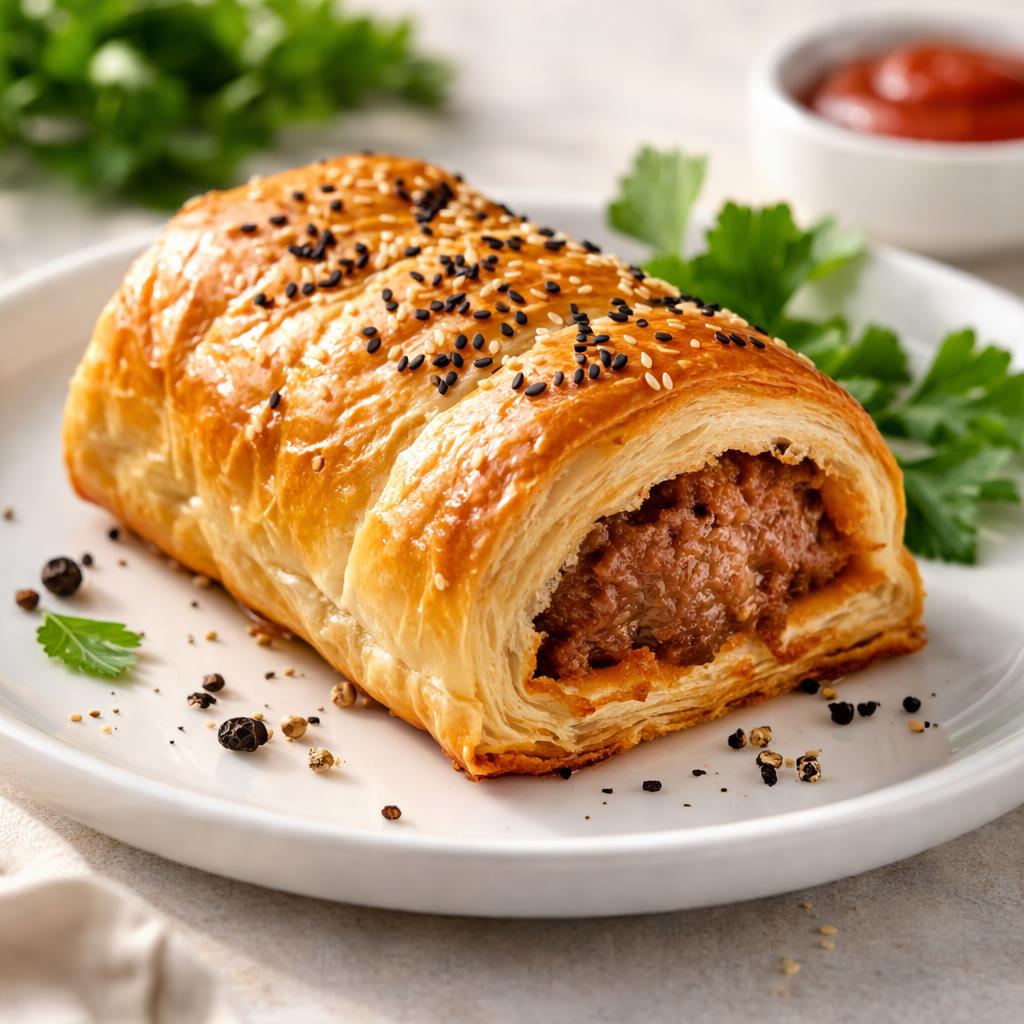
Sausage Roll
🎯 Quick Verdict
Cheese is high in protein and fat while being lower in calories compared to sausage rolls, making it better for weight-conscious or high-protein diets. Sausage rolls contain more fiber due to the pastry, and are better if you need a quick, calorie-dense energy source between meals.

Smart Nutrition Tracking with SnapCalorie

📊 Nutritional Comparison
Macronutrients
| Nutrient | Food 1 | Food 2 | Winner |
|---|---|---|---|
| Calories | 113 (1oz cheddar) | 330 (standard roll) | ✓ |
| Protein | 7g | 9g | ✓ |
| Carbs | 0.4g | 25g | ✓ |
| Fat | 9g | 20g | ✓ |
| Fiber | 0g | 2g | ✓ |
Vitamins & Minerals
| Nutrient | Food 1 | Food 2 | Winner |
|---|---|---|---|
| Vitamin A | 281IU | 50IU | ✓ |
| Calcium | 200mg | 30mg | ✓ |
| Iron | 0.2mg | 1.5mg | ✓ |
🏆 Category Winners
Protein
Sausage roll contains slightly more protein than cheese.
Fiber
Sausage roll provides fiber, while cheese contains none.
Calories
Cheese is lower in calories, with 113 per ounce compared to 330 in a standard sausage roll.
Vitamins
Cheese is a better source of vitamin A and calcium.
🥗 Diet Compatibility
Keto
Food 1: Compatible
Food 2: Not Compatible
Cheese is low-carb, while sausage rolls are high in carbs due to pastry.
Vegan
Food 1: Not Compatible
Food 2: Not Compatible
Both contain animal-based ingredients.
Gluten Free
Food 1: Compatible
Food 2: Not Compatible
Sausage rolls contain wheat-based pastry, while cheese is gluten-free.
Paleo
Food 1: Not Compatible
Food 2: Not Compatible
Neither fits paleo criteria due to dairy in cheese and processed ingredients in sausage rolls.
Low-Carb
Food 1: Compatible
Food 2: Not Compatible
Cheese is very low in carbs (<0.5g), whereas sausage rolls are higher in carbs (25g).
💪 Health Benefits Comparison
Food 1 Benefits
- Rich in calcium for bone health
- Good source of protein for muscle maintenance
- Vitamin A supports vision and skin health
- Low in carbs, suitable for weight management or keto diets
Food 2 Benefits
- Provides energy from complex carbs in pastry
- Includes some protein for satiety after meals
- Iron content supports red blood cell production
- Contains fiber for digestive health
✅ The Bottom Line
Cheese is ideal for low-carb and high-protein diets, offering lower calories and essential nutrients like calcium. Sausage rolls are better for quick, high-energy meals but not suitable for low-carb or gluten-free diets due to their carb and wheat content.
Choose Food 1 for: Keto diets, weight management, snacking, muscle maintenance
Choose Food 2 for: Quick energy boost, moderate protein intake, convenient on-the-go meal


