Cheese VS Samosa
A detailed nutritional comparison
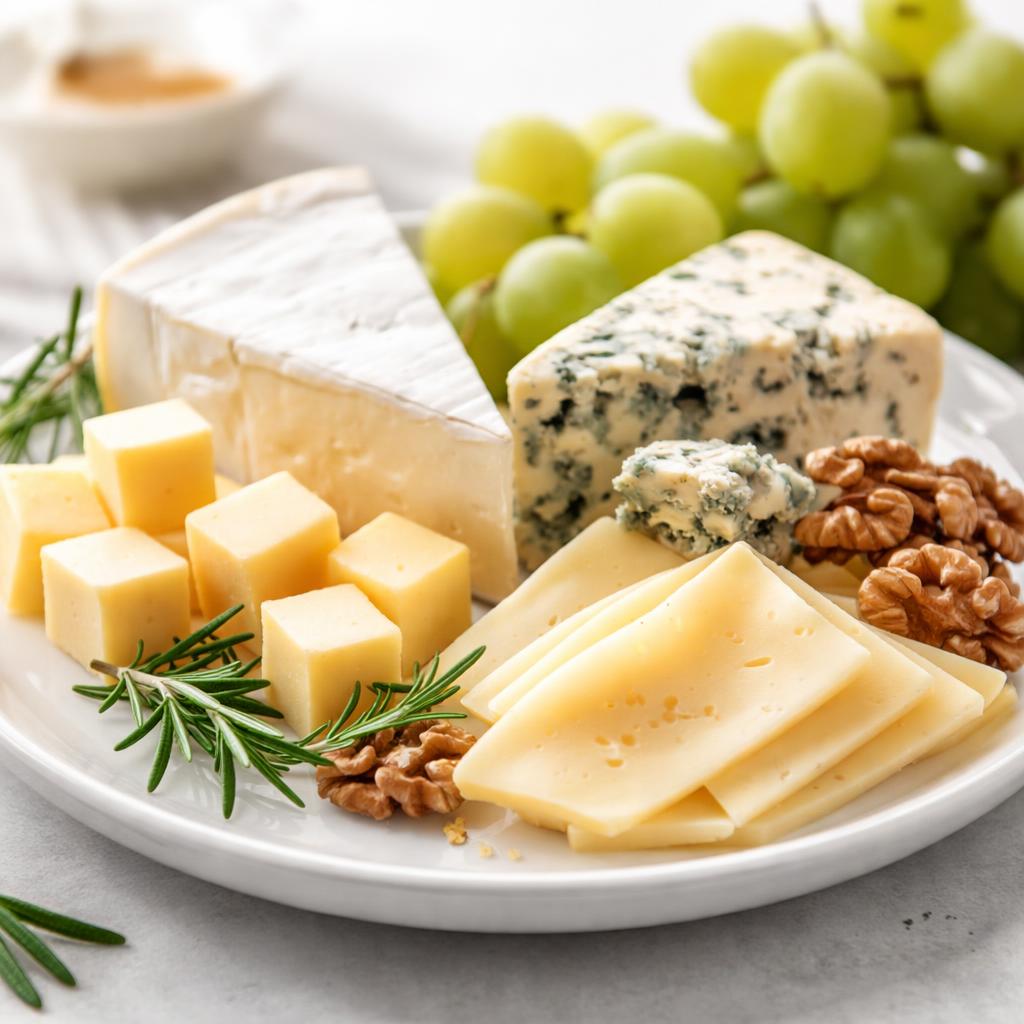
Cheese
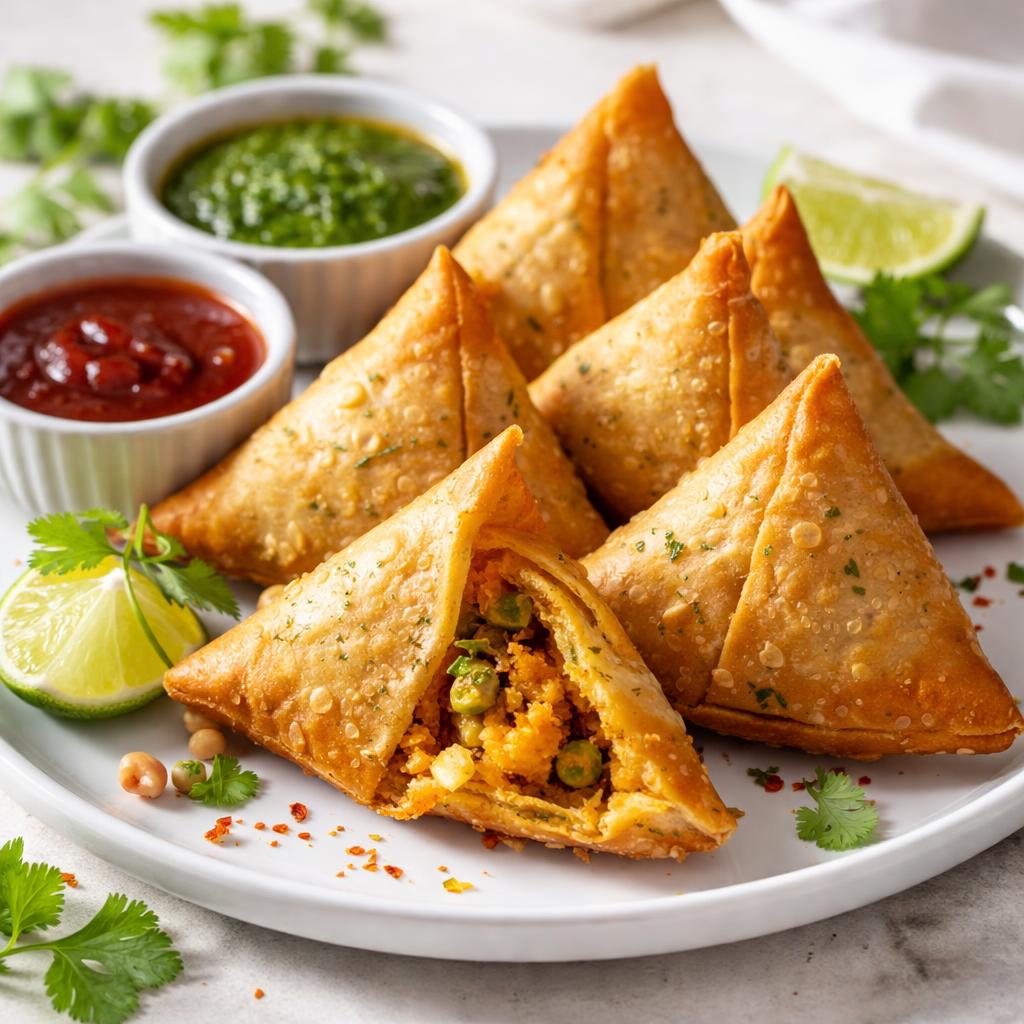
Samosa
🎯 Quick Verdict
Cheese is higher in protein and lower in calories, making it a better option for muscle maintenance and weight management. Samosa offers more fiber and provides sustained energy, but it is higher in fat and calories due to its fried preparation. Both serve different purposes depending on dietary goals.

Smart Nutrition Tracking with SnapCalorie

📊 Nutritional Comparison
Macronutrients
| Nutrient | Food 1 | Food 2 | Winner |
|---|---|---|---|
| Calories | 113 | 262 | ✓ |
| Protein | 7g | 4g | ✓ |
| Carbs | 1g | 31g | ✓ |
| Fat | 9g | 15g | ✓ |
| Fiber | 0g | 2g | ✓ |
Vitamins & Minerals
| Nutrient | Food 1 | Food 2 | Winner |
|---|---|---|---|
| Vitamin D | 50 IU | 0 IU | ✓ |
| Calcium | 200mg | 30mg | ✓ |
| Iron | 0mg | 2mg | ✓ |
🏆 Category Winners
Protein
Cheese has nearly double the protein content compared to samosa.
Fiber
Samosa contains 2g more fiber than cheese, aiding digestion.
Calories
Cheese has less than half the calorie count of samosa.
Vitamins
Cheese is richer in calcium and vitamin D, while samosa provides iron.
🥗 Diet Compatibility
Keto
Food 1: Compatible
Food 2: Not Compatible
Cheese is low-carb and high-fat, suitable for keto diets.
Vegan
Food 1: Not Compatible
Food 2: Not Compatible
Both foods contain animal-based ingredients or dairy.
Gluten Free
Food 1: Compatible
Food 2: Not Compatible
Cheese does not contain gluten, whereas samosa includes a wheat-based dough.
Paleo
Food 1: Not Compatible
Food 2: Not Compatible
Cheese is excluded in paleo diets due to dairy content, and samosas are eliminated due to processed ingredients.
Low Carb
Food 1: Compatible
Food 2: Not Compatible
Cheese is low in carbohydrates (1g per serving), while samosa is high in carbs (31g per serving).
💪 Health Benefits Comparison
Food 1 Benefits
- Excellent source of protein for muscle maintenance
- High calcium content supports strong bones
- Contains vitamin D to aid immune function and calcium absorption
- Rich in healthy fats for sustained energy
Food 2 Benefits
- Good source of fiber for improved digestion
- Contains moderate iron levels to help prevent deficiencies
- Provides quick energy due to higher carbohydrate content
- Contains spices like turmeric and cumin which may have anti-inflammatory benefits
✅ The Bottom Line
Choose cheese if you're aiming for low-calorie, high-protein options suitable for muscle building or ketogenic diets. Opt for samosas when you need a higher-carb energy boost or a fiber-rich treat. While both foods can fit specific dietary goals, portion control is key to maintaining overall health.
Choose Food 1 for: Weight management, high-protein diets, keto-friendly snacking
Choose Food 2 for: Occasional indulgence, sustained energy, fiber-rich options


