Cheese VS Salad Dressing
A detailed nutritional comparison
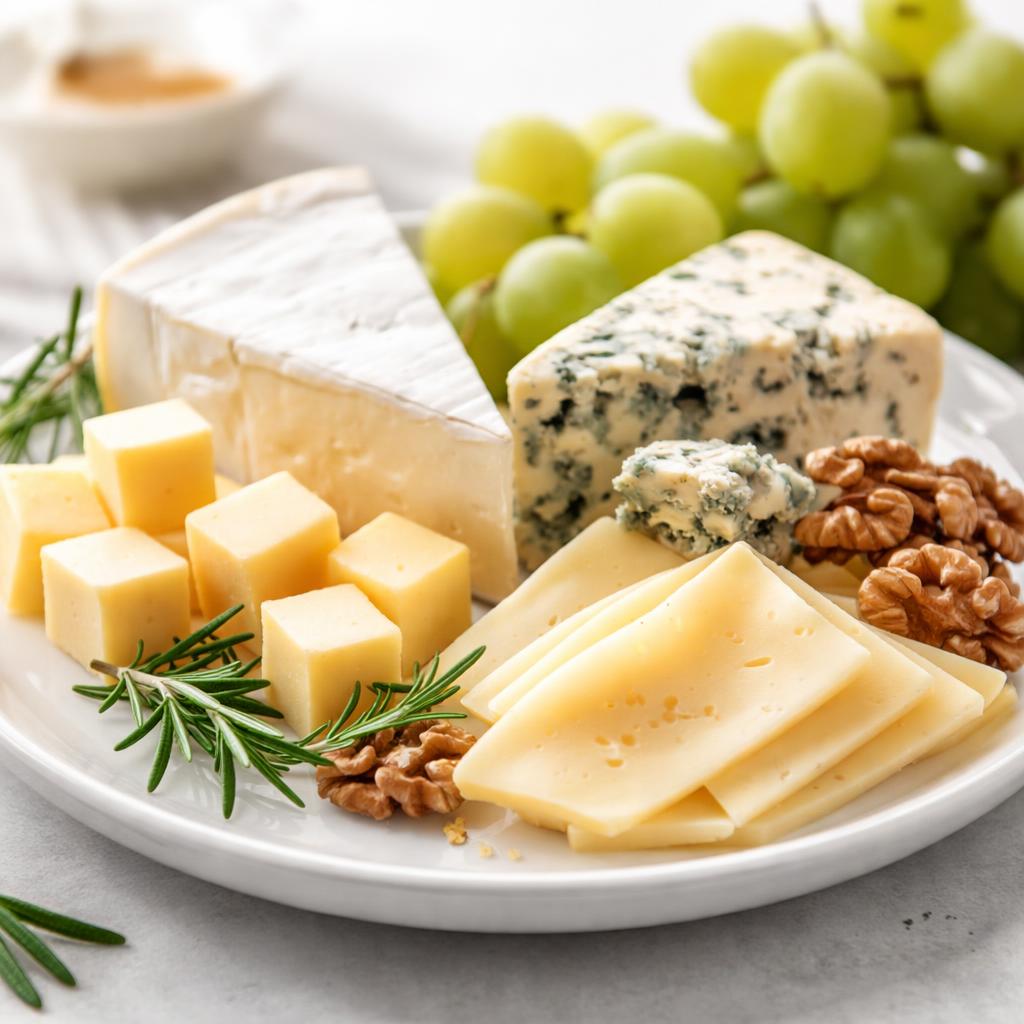
Cheese
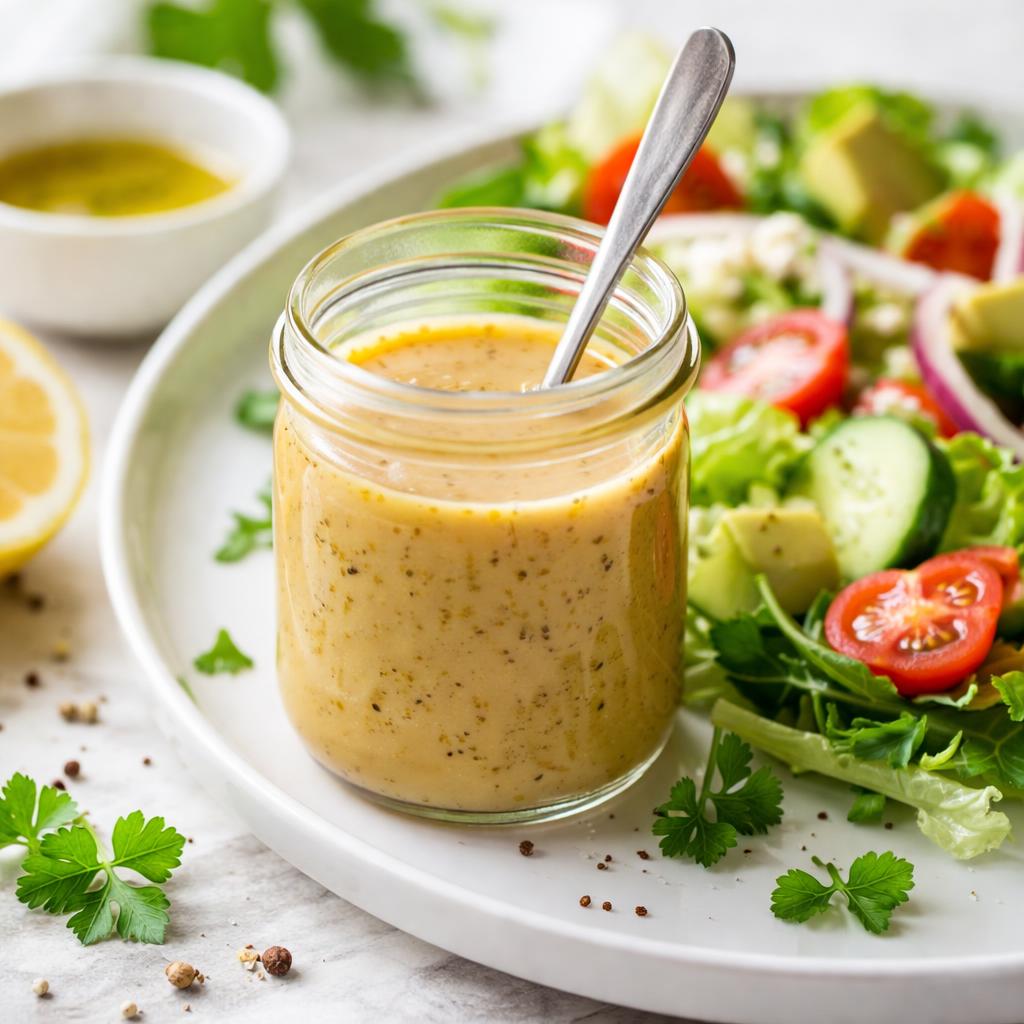
Salad Dressing
🎯 Quick Verdict
Cheese is a high-protein, calorie-dense option often ideal for muscle-building or low-carb diets, while salad dressing is mainly used as an enhancer, providing fats and flavor but little protein or fiber. Cheese outperforms salad dressing in protein and vitamins like calcium, while salad dressing provides healthy fats important for heart health. Best choice depends on dietary goals and usage context.

Smart Nutrition Tracking with SnapCalorie

📊 Nutritional Comparison
Macronutrients
| Nutrient | Food 1 | Food 2 | Winner |
|---|---|---|---|
| Calories | 120 | 150 | ✓ |
| Protein | 7g | 0g | ✓ |
| Carbs | 1g | 2g | ✓ |
| Fat | 10g | 14g | ✓ |
| Fiber | 0g | 0g | − |
Vitamins & Minerals
| Nutrient | Food 1 | Food 2 | Winner |
|---|---|---|---|
| Vitamin D | 0.6mcg | 0mcg | ✓ |
| Calcium | 200mg | 5mg | ✓ |
| Iron | 0mg | 0.5mg | ✓ |
🏆 Category Winners
Protein
Cheese provides substantial protein, while salad dressing contains none.
Fiber
Neither cheese nor salad dressing contains significant fiber.
Calories
Cheese has fewer calories per serving than salad dressing.
Vitamins
Cheese is much richer in calcium and vitamin D compared to salad dressing.
🥗 Diet Compatibility
Keto
Food 1: Compatible
Food 2: Compatible
Both are high-fat and low-carb, ideal for keto diets.
Vegan
Food 1: Not Compatible
Food 2: Depends on type
Cheese is dairy-based, while salad dressing can be vegan if ingredients exclude animal products.
Gluten Free
Food 1: Compatible
Food 2: Depends on type
Cheese is naturally gluten-free; salad dressings often are, but some brands may include gluten-containing additives.
Paleo
Food 1: Not Compatible
Food 2: Depends on type
Cheese is not paleo due to its dairy origin, while salad dressing can be paleo if it avoids processed ingredients.
Low Carb
Food 1: Compatible
Food 2: Compatible
Both have very low carbohydrate content, suitable for low-carb diets.
💪 Health Benefits Comparison
Food 1 Benefits
- Rich in protein for muscle maintenance and growth
- Excellent source of calcium for bone health
- Provides vitamin D for immune and bone support
Food 2 Benefits
- Provides healthy fats for heart health
- Contains antioxidants (in certain varieties like olive oil-based dressings)
- Adds flavor and encourages vegetable consumption
✅ The Bottom Line
Choose cheese for high protein, calcium, and vitamin D needs, especially if you're focusing on muscle maintenance or low-carb diets. Opt for salad dressing to enhance flavor and add healthy fats to meals; it's particularly useful for heart-healthy diets or increasing vegetable consumption.
Choose Food 1 for: High-protein diets, weight loss, bone health, muscle building
Choose Food 2 for: Heart health, flavor enhancement, balanced fat intake


