Cheese VS Queso
A detailed nutritional comparison
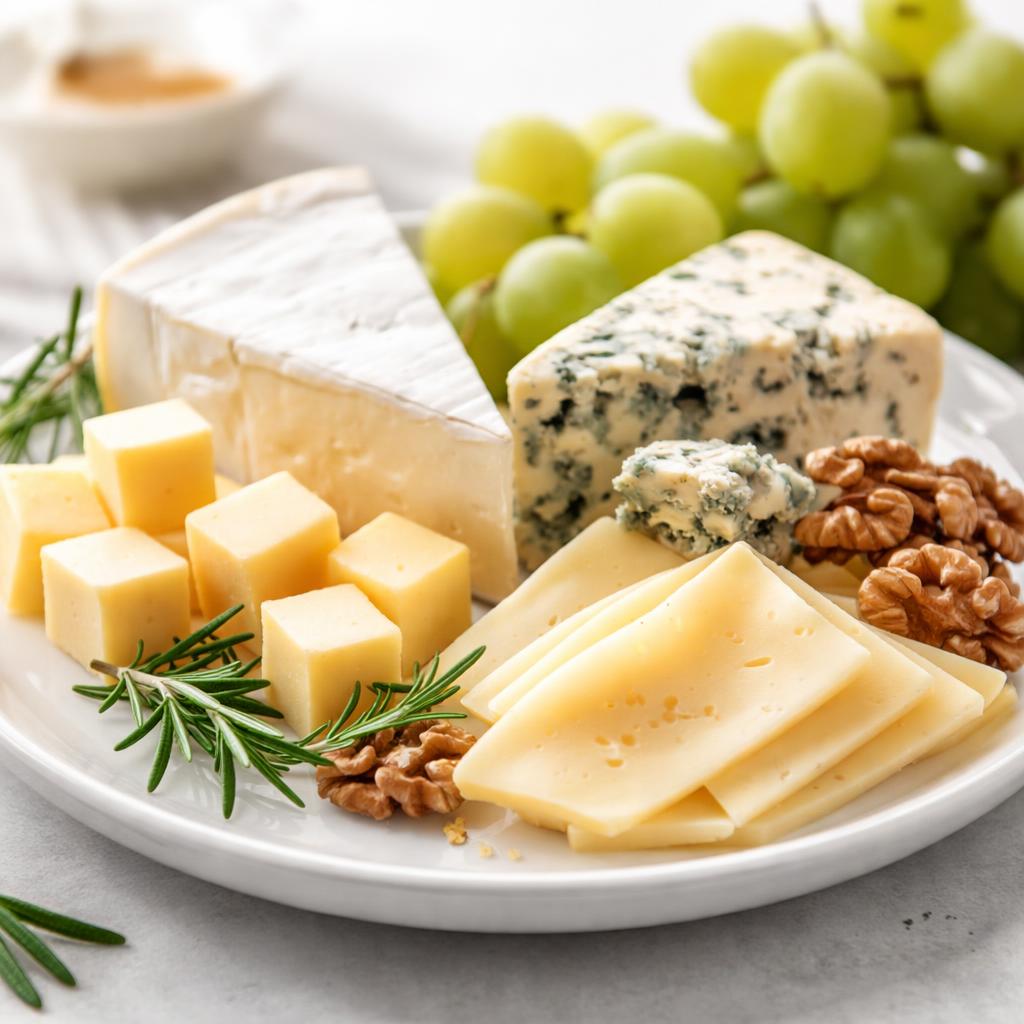
Cheese
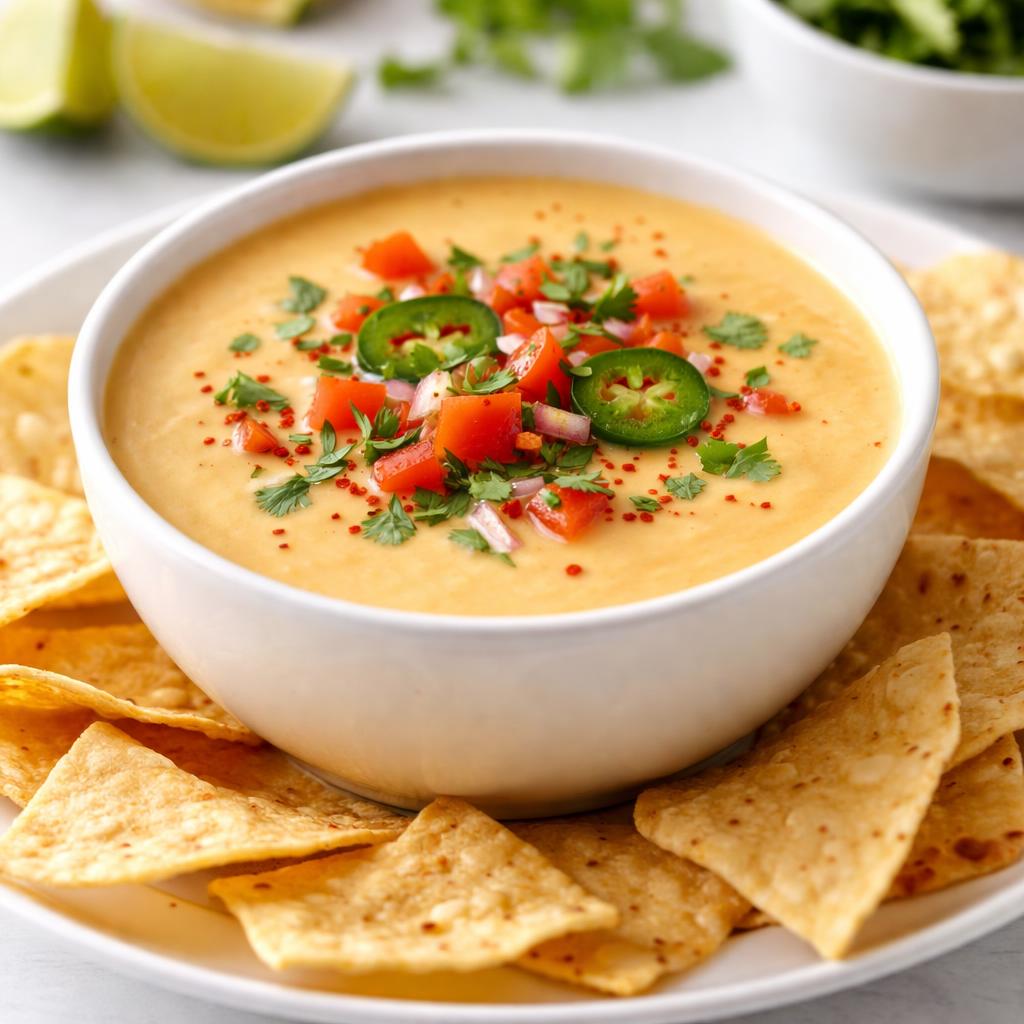
Queso
🎯 Quick Verdict
Cheese and queso share many similarities, as queso is essentially melted and seasoned cheese. Cheese slightly edges out in protein content and has fewer calories per serving, making it a better option for those tracking macros. Queso typically includes added ingredients like spices and milk, adding flavor but slightly diluting the nutritional density compared to plain cheese. Cheese is ideal in solid form for snacking, while queso works best as a dip or sauce.

Smart Nutrition Tracking with SnapCalorie

📊 Nutritional Comparison
Macronutrients
| Nutrient | Food 1 | Food 2 | Winner |
|---|---|---|---|
| Calories | − | ||
| Protein | − | ||
| Carbs | − | ||
| Fat | − | ||
| Fiber | − |
Vitamins & Minerals
| Nutrient | Food 1 | Food 2 | Winner |
|---|---|---|---|
| Vitamin D | − | ||
| Calcium | − | ||
| Iron | − |
🏆 Category Winners
Protein
Cheese has 40% more protein per ounce compared to queso.
Fiber
Neither cheese nor queso contains dietary fiber.
Calories
Cheese has slightly fewer calories (9.6% less per ounce).
🥗 Diet Compatibility
Keto
Food 1: Unknown
Food 2: Unknown
Both are low-carb and high-fat, ideal for keto diets.
Vegan
Food 1: Unknown
Food 2: Unknown
Both are dairy-based and unsuitable for vegan diets.
Gluten Free
Food 1: Unknown
Food 2: Unknown
Both typically do not contain gluten, although queso might require label-checking for added thickeners.
Paleo
Food 1: Unknown
Food 2: Unknown
Neither cheese nor traditional queso align with strict paleo guidelines due to their dairy content.
Low-Carb
Food 1: Unknown
Food 2: Unknown
Cheese is extremely low-carb (1g per ounce) and queso contains only 4g per ounce.
💪 Health Benefits Comparison
Food 1 Benefits
Food 2 Benefits
✅ The Bottom Line
Cheese and queso are both nutrient-dense options, with cheese being slightly better for protein and calorie-conscious diets. Queso is the preferred choice for flavor enhancement as a dip or topping when aesthetics and taste matter more. Both are compatible with low-carb and keto lifestyles, but label-checking for additives is recommended, particularly for queso.


