Cheese VS Pork Loin
A detailed nutritional comparison
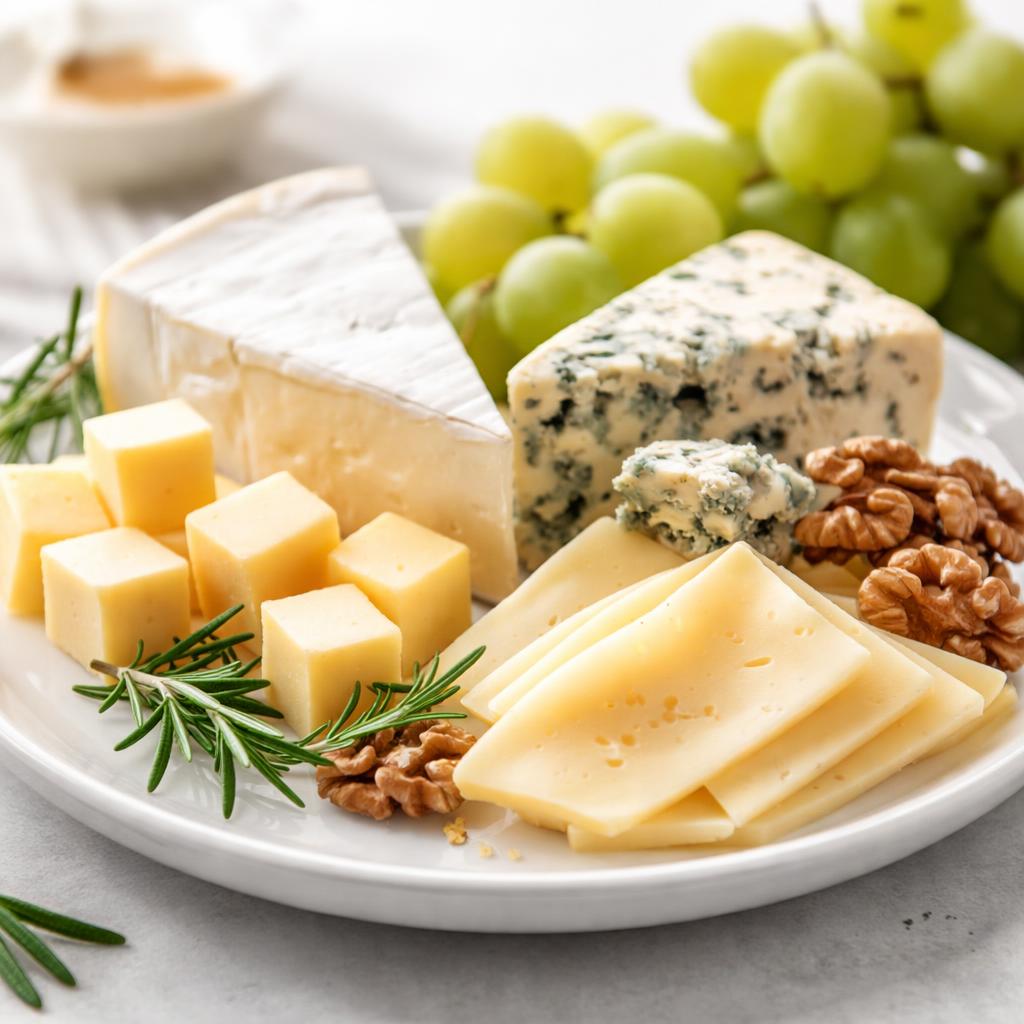
Cheese
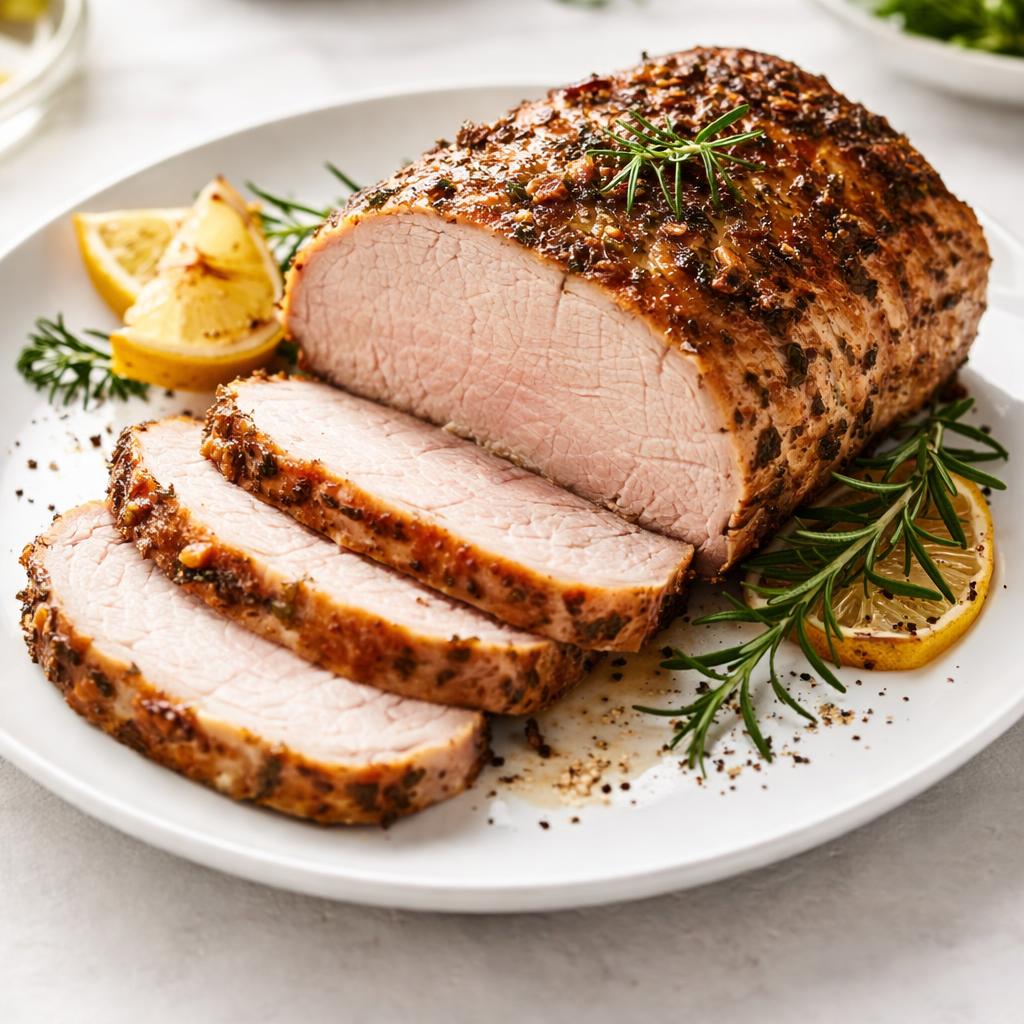
Pork Loin
🎯 Quick Verdict
Cheese and pork loin offer distinct nutritional profiles. Cheese is higher in fat and calcium, while pork loin excels in protein per calorie. Cheese is ideal for adding rich flavor and nutrients to meals, while pork loin is a lean protein source suitable for muscle building or weight-conscious diets.

Smart Nutrition Tracking with SnapCalorie

📊 Nutritional Comparison
Macronutrients
| Nutrient | Food 1 | Food 2 | Winner |
|---|---|---|---|
| Calories | 402 | 242 | ✓ |
| Protein | 25g | 26g | ✓ |
| Carbs | 1g | 0g | ✓ |
| Fat | 33g | 13g | ✓ |
| Fiber | 0g | 0g | − |
Vitamins & Minerals
| Nutrient | Food 1 | Food 2 | Winner |
|---|---|---|---|
| Vitamin D | 0.6mcg | 0mcg | ✓ |
| Calcium | 721mg | 20mg | ✓ |
| Iron | 0.2mg | 0.8mg | ✓ |
🏆 Category Winners
Protein
Pork loin has slightly more protein, and fewer calories per gram of protein than cheese.
Fiber
Neither cheese nor pork loin contains fiber.
Calories
Pork loin is significantly lower in calories compared to cheese.
🥗 Diet Compatibility
Keto
Food 1: Compatible
Food 2: Compatible
Both foods are low in carbs and high in fat or protein, ideal for ketogenic diets.
Vegan
Food 1: Not Compatible
Food 2: Not Compatible
Both foods are animal products.
Gluten Free
Food 1: Compatible
Food 2: Compatible
Neither contains gluten.
Paleo
Food 1: Not Compatible
Food 2: Compatible
Pork loin is paleo-friendly, while cheese is not since dairy is typically excluded in strict paleo diets.
Low Carb
Food 1: Compatible
Food 2: Compatible
Both are very low-carb with 1g or less of net carbs per serving.
💪 Health Benefits Comparison
Food 1 Benefits
- Excellent source of calcium for bone health
- Rich in vitamin B12 for nerve and blood cell function
- Provides healthy fats for energy and satiety
Food 2 Benefits
- High in protein for muscle growth and repair
- Low in fat for heart-healthy diets
- Rich in iron for red blood cell production
✅ The Bottom Line
Cheese is a great option for those looking to increase calcium intake, or for keto dieters who need more fats. Pork loin is better for those aiming to build muscle, lose weight, or lower fat consumption. Both can be enjoyed within various diets, depending on personal goals.
Choose Food 1 for: Keto diets, calcium intake, adding flavor to dishes
Choose Food 2 for: Lean protein, weight loss, muscle building


