Cheese VS Pepperoni
A detailed nutritional comparison
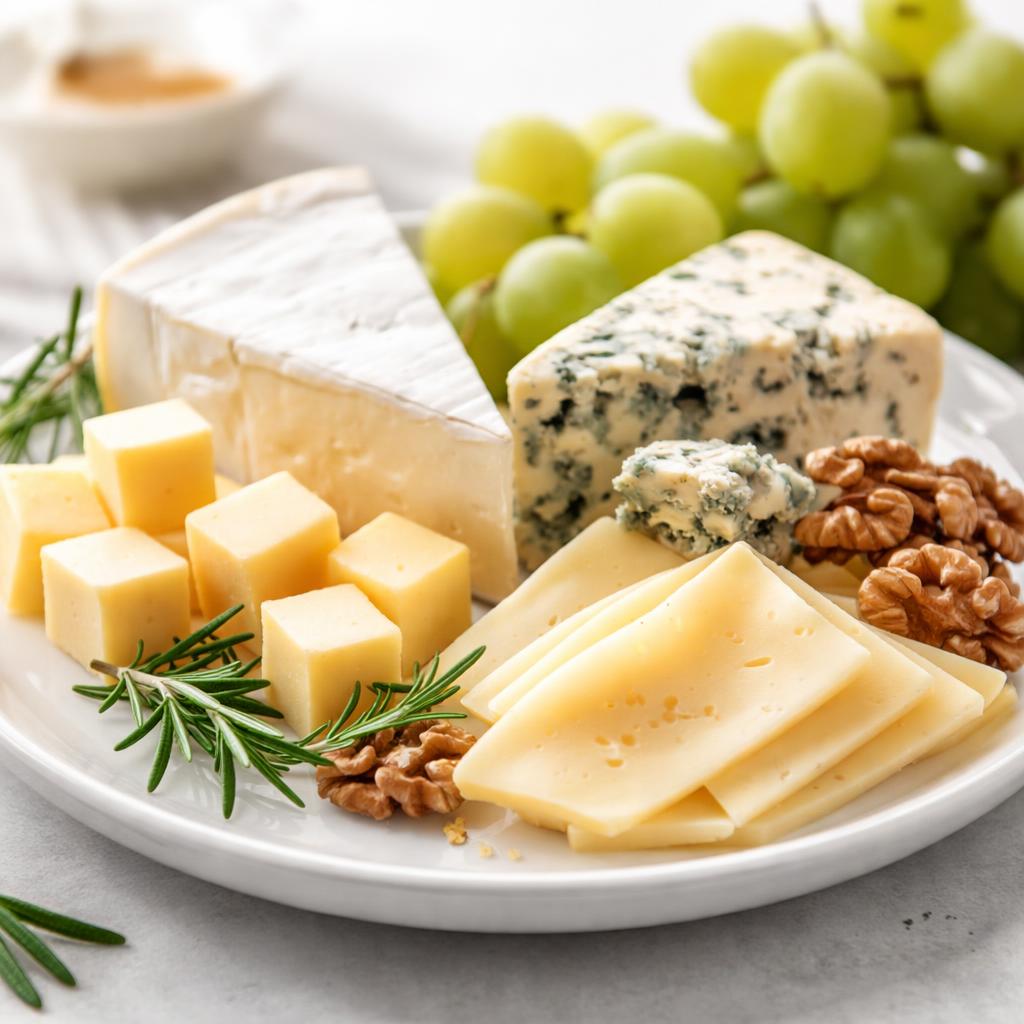
Cheese
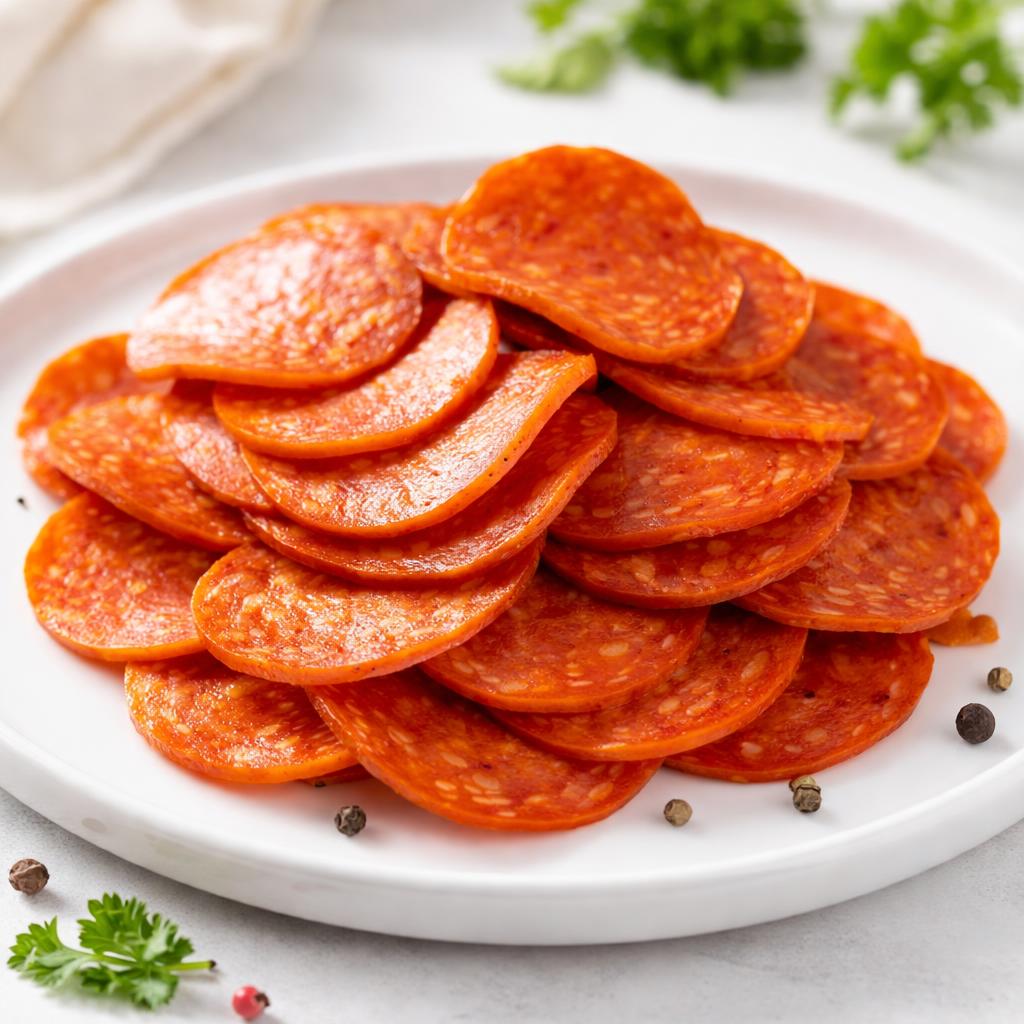
Pepperoni
🎯 Quick Verdict
Cheese and pepperoni are both energy-dense foods popular in high-protein diets but differ in nutritional composition. Cheese is lower in calories and richer in calcium, making it better for bone health. Pepperoni, however, provides more protein and higher iron levels, making it ideal for energy and muscle repair.

Smart Nutrition Tracking with SnapCalorie

📊 Nutritional Comparison
Macronutrients
| Nutrient | Food 1 | Food 2 | Winner |
|---|---|---|---|
| Calories | 110 (per ounce) | 140 (per ounce) | ✓ |
| Protein | 7g | 8g | ✓ |
| Carbs | 1g | 0.5g | ✓ |
| Fat | 9g | 12g | ✓ |
| Fiber | 0g | 0g | − |
Vitamins & Minerals
| Nutrient | Food 1 | Food 2 | Winner |
|---|---|---|---|
| Vitamin D | 0.9mcg | 0mcg | ✓ |
| Calcium | 200mg | 20mg | ✓ |
| Iron | 0.1mg | 0.8mg | ✓ |
🏆 Category Winners
Protein
Pepperoni has slightly higher protein at 8g per ounce compared to 7g in cheese.
Fiber
Neither cheese nor pepperoni contains dietary fiber.
Calories
Cheese is lower in calories, providing 110 calories per ounce versus 140 for pepperoni.
Vitamins
Cheese is richer in vitamin D and calcium, supporting stronger bones.
🥗 Diet Compatibility
Keto
Food 1: Compatible
Food 2: Compatible
Both foods are high-fat and low-carb.
Vegan
Food 1: Not Compatible
Food 2: Not Compatible
Both are animal-based products.
Gluten Free
Food 1: Compatible
Food 2: Compatible
Neither contains gluten.
Paleo
Food 1: Not Compatible
Food 2: Not Compatible
Both foods contain processed elements unsuitable for paleo diets.
Low-Carb
Food 1: Compatible
Food 2: Compatible
Both have extremely low carbohydrate content per serving.
💪 Health Benefits Comparison
Food 1 Benefits
- High calcium content for bone health
- Provides vitamin D for immune and bone strength
- Good source of protein for muscle maintenance
- Low-carb, making it suitable for ketogenic diets
Food 2 Benefits
- Rich source of protein for muscle repair
- High in iron for improved oxygen transport and energy
- Contains vitamin B12 for nerve health
- Low-carb and high-fat, beneficial for keto diets
✅ The Bottom Line
Choose cheese for stronger bones, lower calories, and micronutrient support like calcium and vitamin D. Opt for pepperoni if higher protein or iron content is your priority, such as for athletic recovery. Both are keto-friendly but should be consumed in moderation due to high fat levels.
Choose Food 1 for: Bone health, calcium-rich diets, weight management
Choose Food 2 for: Muscle recovery, higher protein intake, iron deficiency support


