Cheese VS Pepperoncini
A detailed nutritional comparison
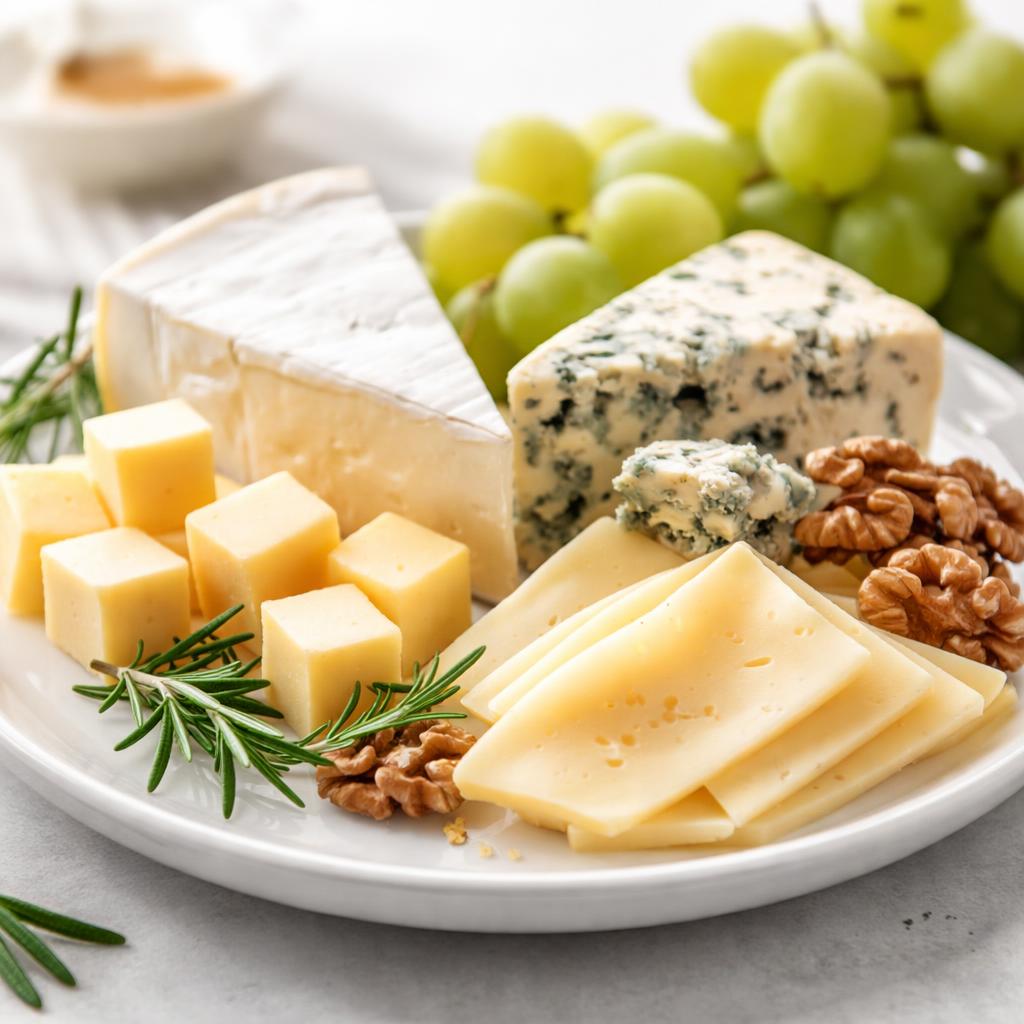
Cheese
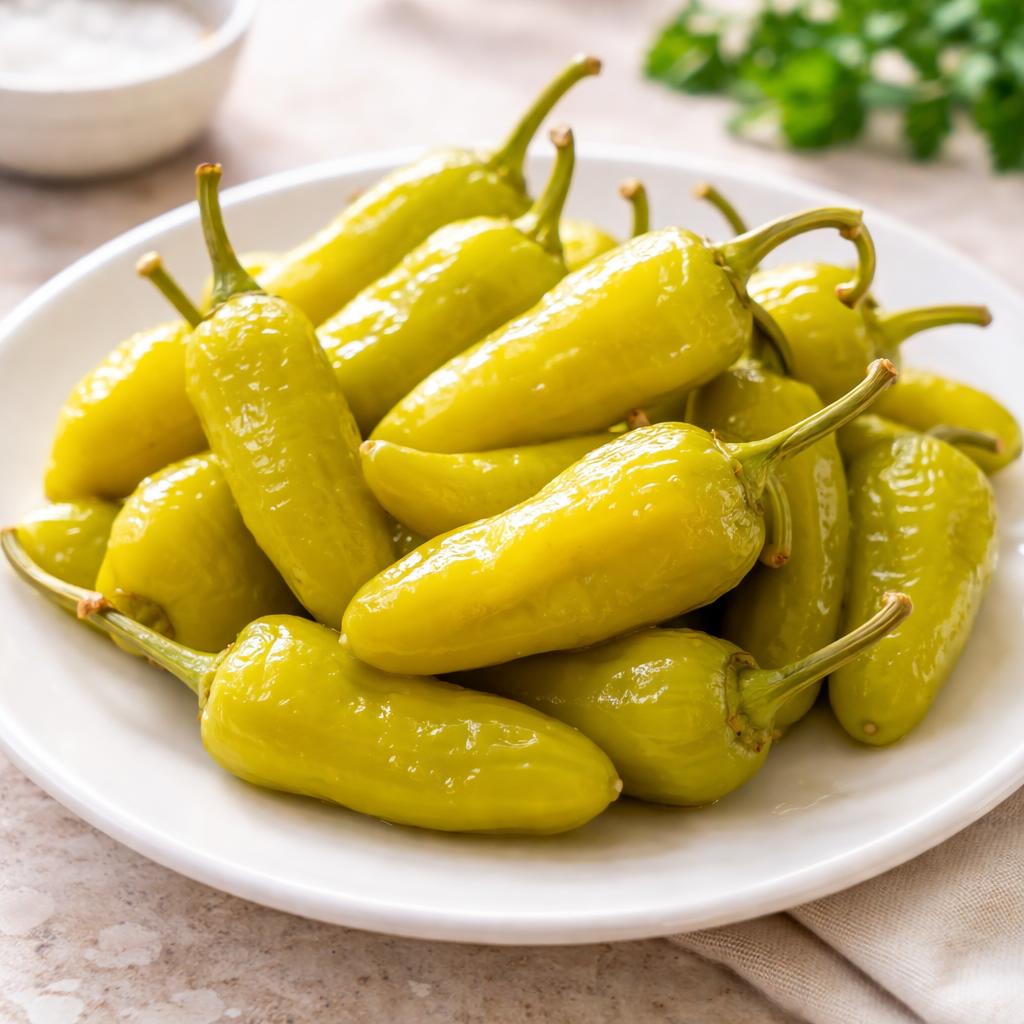
Pepperoncini
🎯 Quick Verdict
Cheese is a high-protein, calorie-dense food rich in fats and essential nutrients like calcium, making it ideal for muscle maintenance and weight gain. Pepperoncini, on the other hand, is low-calorie, high in fiber, and packed with antioxidants, suitable for digestive health and heart-conscious diets. Choose cheese for protein and satiety, and pepperoncini for a lighter, nutrient-rich option.

Smart Nutrition Tracking with SnapCalorie

📊 Nutritional Comparison
Macronutrients
| Nutrient | Food 1 | Food 2 | Winner |
|---|---|---|---|
| Calories | 113 | 10 | ✓ |
| Protein | 7g | 0.2g | ✓ |
| Carbs | 1g | 2g | ✓ |
| Fat | 9g | 0g | ✓ |
| Fiber | 0g | 0.9g | ✓ |
Vitamins & Minerals
| Nutrient | Food 1 | Food 2 | Winner |
|---|---|---|---|
| Vitamin D | 0.9mcg | 0mcg | ✓ |
| Calcium | 200mg | 15mg | ✓ |
| Iron | 0mg | 0.3mg | ✓ |
| Vitamin C | 0mg | 45mg | ✓ |
🏆 Category Winners
Protein
Cheese has a significantly higher protein content (7g vs 0.2g per serving).
Fiber
Pepperoncini provides nearly 1g of fiber, whereas cheese contains none.
Calories
Pepperoncini has only 10 calories per serving, compared to 113 calories for cheese.
Vitamins
Pepperoncini is higher in Vitamin C and iron, while cheese is richer in calcium and Vitamin D.
🥗 Diet Compatibility
Keto
Food 1: Compatible
Food 2: Compatible
Both foods are low in carbs, suitable for a keto diet.
Vegan
Food 1: Not Compatible
Food 2: Compatible
Cheese is animal-based, while pepperoncini is plant-based.
Gluten Free
Food 1: Compatible
Food 2: Compatible
Neither cheese nor pepperoncini contains gluten.
Paleo
Food 1: Not Compatible
Food 2: Compatible
Cheese is excluded on most paleo diets, while pepperoncini fits.
Low Carb
Food 1: Compatible
Food 2: Compatible
Both foods are relatively low in carbohydrates.
💪 Health Benefits Comparison
Food 1 Benefits
- High protein content supports muscle maintenance.
- Rich in calcium for bone health.
- Contains Vitamin D for immune system support.
Food 2 Benefits
- Low-calorie food ideal for weight management.
- High in Vitamin C, boosting immunity and skin health.
- Contains fiber aiding digestion and gut health.
✅ The Bottom Line
Cheese offers a protein-rich, calorie-dense option, best for individuals needing additional calories or aiming to build muscle. Pepperoncini provides a fiber-rich, low-calorie solution, ideal for those focusing on weight loss, digestion, and heart health.
Choose Food 1 for: Weight gain, muscle building, post-workout recovery
Choose Food 2 for: Low-calorie diets, digestive health, antioxidant support


