Cheese VS Pepper
A detailed nutritional comparison
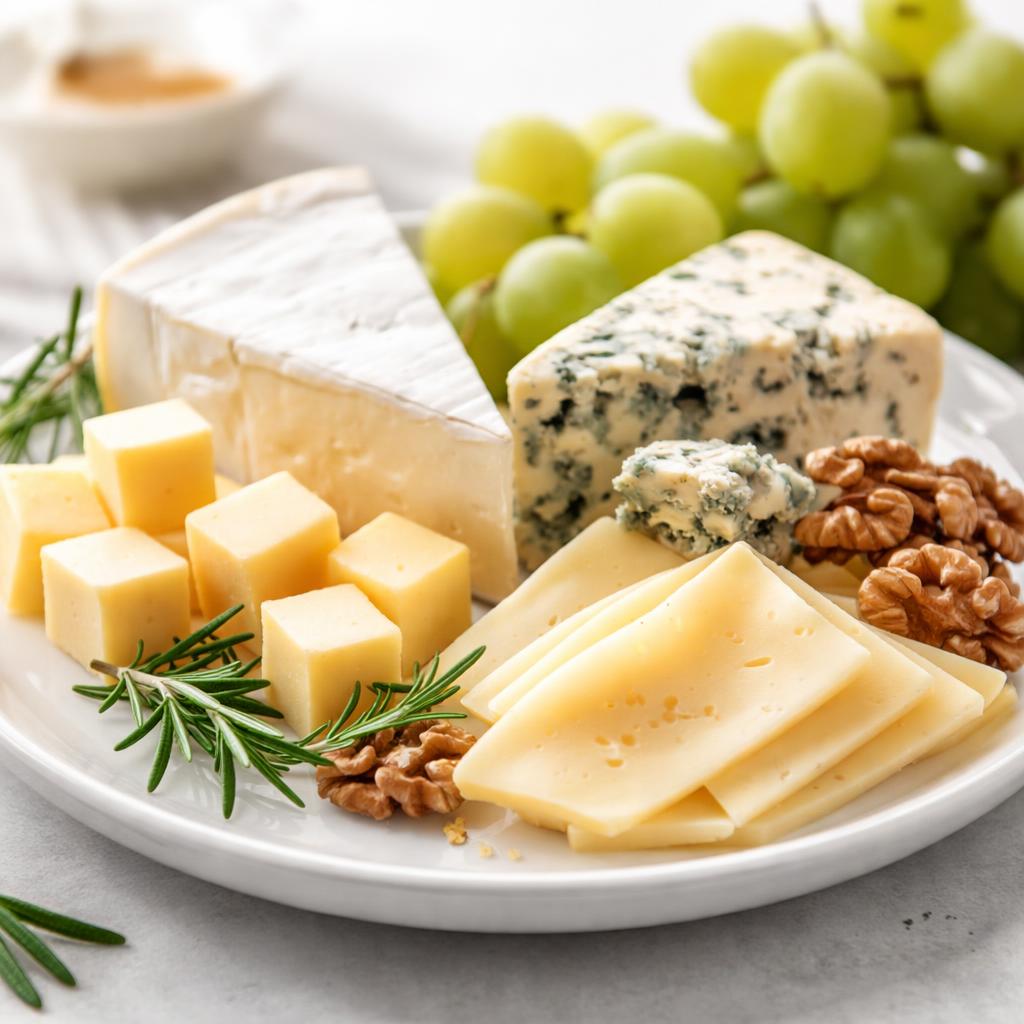
Cheese
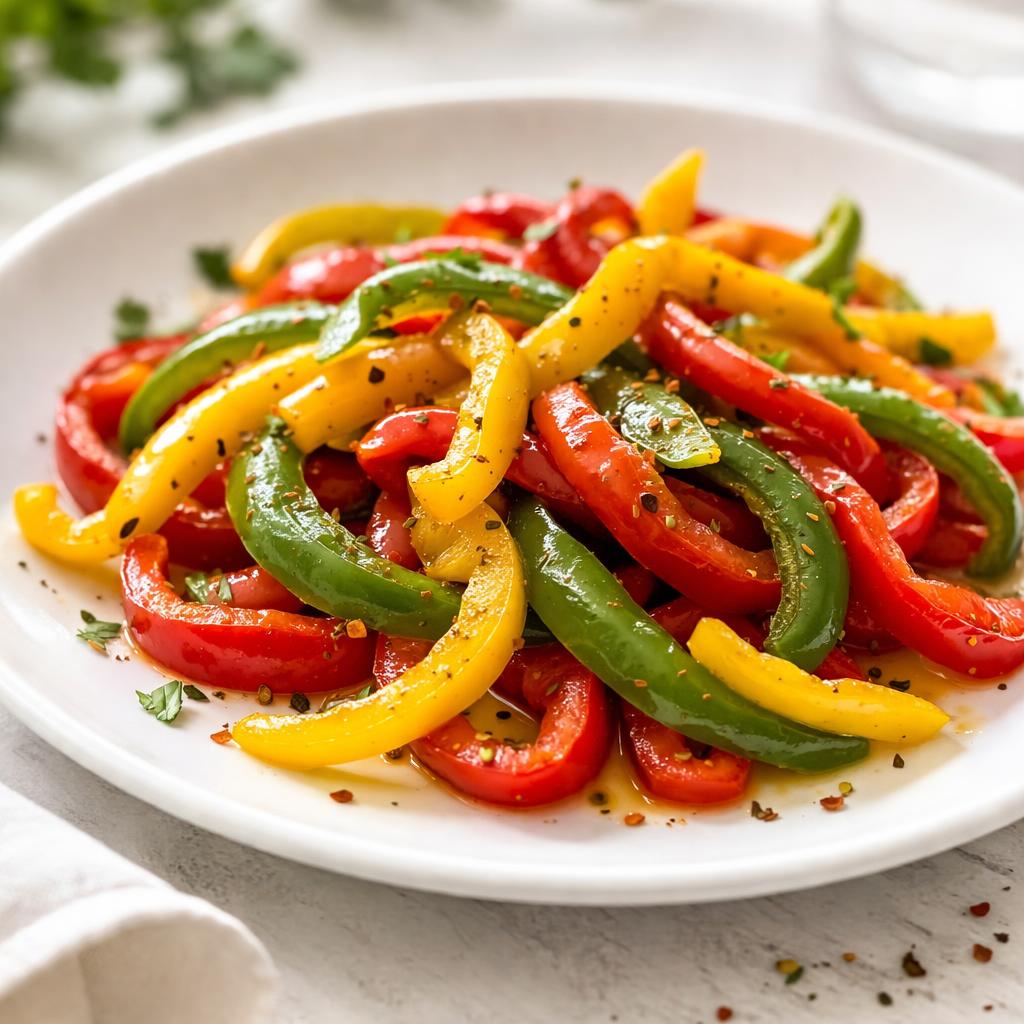
Pepper
🎯 Quick Verdict
Cheese is high in protein and fat, making it excellent for muscle maintenance and keto diets, while peppers are low-calorie and rich in fiber, vitamins, and antioxidants, ideal for weight management and general health. Choose cheese for high-protein needs or pepper for low-calorie meals and vitamin density.

Smart Nutrition Tracking with SnapCalorie

📊 Nutritional Comparison
Macronutrients
| Nutrient | Food 1 | Food 2 | Winner |
|---|---|---|---|
| Calories | 120 | 40 | ✓ |
| Protein | 7g | 1g | ✓ |
| Carbs | 1g | 9g | ✓ |
| Fat | 10g | 0g | ✓ |
| Fiber | 0g | 3g | ✓ |
Vitamins & Minerals
| Nutrient | Food 1 | Food 2 | Winner |
|---|---|---|---|
| Vitamin D | 0.6mcg | 0mcg | ✓ |
| Vitamin C | 0mg | 60mg | ✓ |
| Calcium | 150mg | 11mg | ✓ |
| Iron | 0mg | 0.5mg | ✓ |
🏆 Category Winners
Protein
Cheese provides 7g of protein per serving versus only 1g in peppers.
Fiber
Peppers contain 3g of fiber while cheese provides none.
Calories
Pepper has only 40 calories per serving compared to 120 calories in cheese.
🥗 Diet Compatibility
Keto
Food 1: Compatible
Food 2: Partially Compatible
Food1 fits keto due to low carbs and high fat, while food2 is higher in carbs.
Vegan
Food 1: Not Compatible
Food 2: Compatible
Cheese is animal-derived while pepper is plant-based.
Gluten Free
Food 1: Compatible
Food 2: Compatible
Neither food contains gluten.
Paleo
Food 1: Not Compatible
Food 2: Compatible
Cheese is excluded from most paleo diets due to dairy origins, but pepper is allowed.
Low Carb
Food 1: Compatible
Food 2: Partially Compatible
Cheese is very low-carb while peppers have moderate carbs (9g per serving).
💪 Health Benefits Comparison
Food 1 Benefits
- High in protein for muscle maintenance
- Rich in calcium for bone health
- Contains healthy fats for energy
Food 2 Benefits
- Low in calories for weight management
- High in Vitamin C for immune health
- Good source of antioxidants for cellular protection
- Rich in fiber for digestion and gut health
✅ The Bottom Line
Cheese is best for high-protein and high-fat diets such as keto, while pepper is ideal for nutrient-dense, low-calorie options and general health. Balance them for complementary nutritional goals.
Choose Food 1 for: Keto diets, muscle-building, calcium intake
Choose Food 2 for: Weight loss, high-fiber diets, immune health


