Cheese VS Peanut
A detailed nutritional comparison
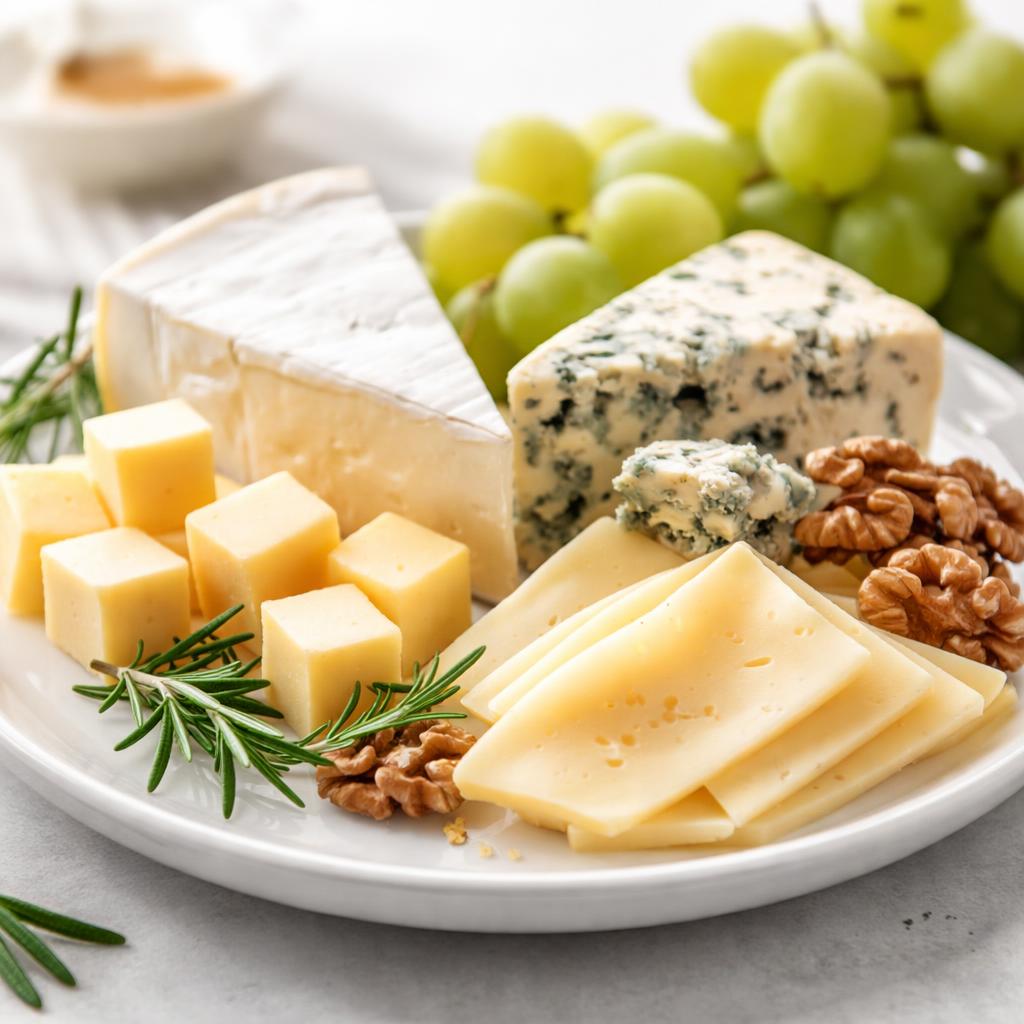
Cheese
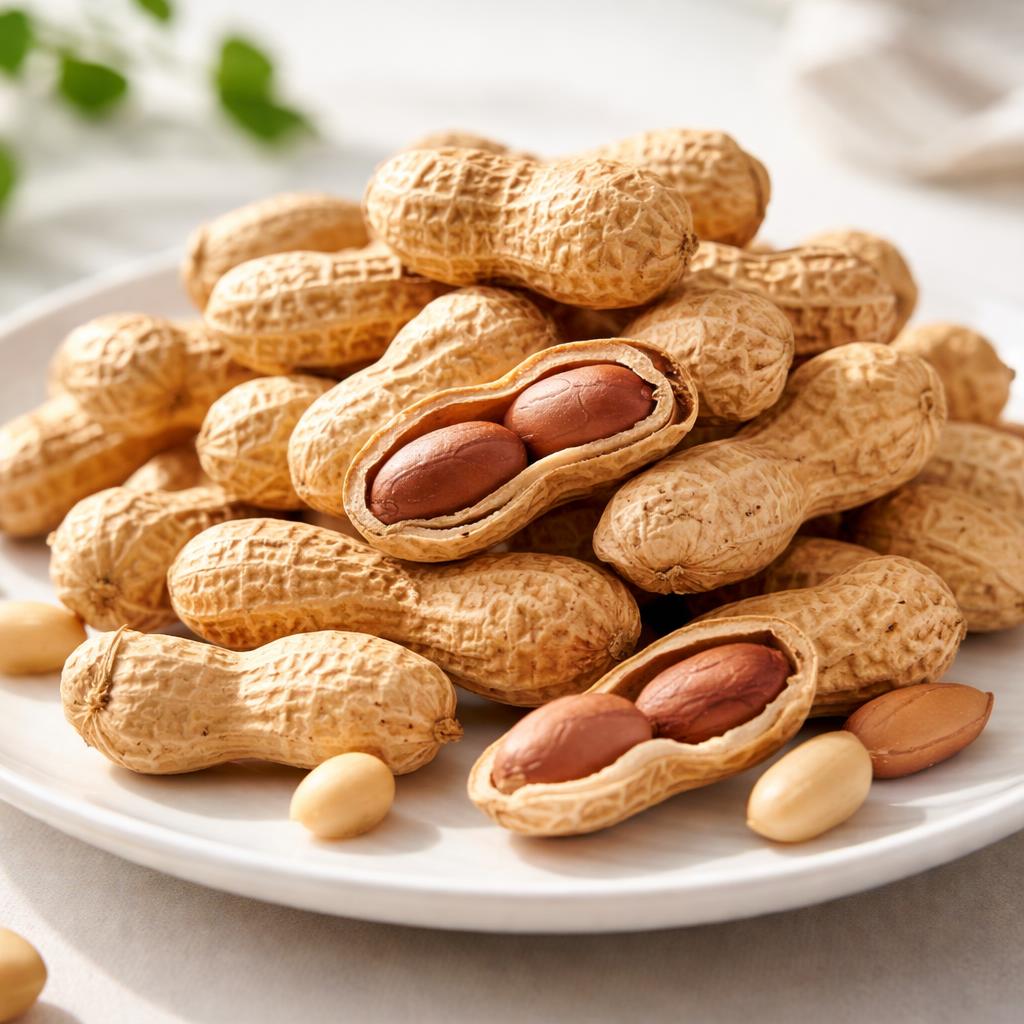
Peanut
🎯 Quick Verdict
Cheese and peanuts both offer unique nutritional profiles. Cheese excels in protein content and is lower in calories, making it suitable for high-protein diets. Peanuts, however, are higher in fiber and offer healthy fats, making them great for sustained energy and heart health. The choice depends on your dietary goals.

Smart Nutrition Tracking with SnapCalorie

📊 Nutritional Comparison
Macronutrients
| Nutrient | Food 1 | Food 2 | Winner |
|---|---|---|---|
| Calories | 113 | 161 | ✓ |
| Protein | 7g | 7.3g | − |
| Carbs | 1g | 4.6g | ✓ |
| Fat | 9g | 14g | ✓ |
| Fiber | 0g | 2.4g | ✓ |
Vitamins & Minerals
| Nutrient | Food 1 | Food 2 | Winner |
|---|---|---|---|
| Vitamin D | 0.8mcg | 0mcg | ✓ |
| Calcium | 200mg | 37mg | ✓ |
| Iron | 0.1mg | 0.6mg | ✓ |
🏆 Category Winners
Protein
Both cheese and peanuts provide similar protein content per serving (~7g).
Fiber
Peanuts have 2.4g of fiber while cheese has none.
Calories
Cheese has 30% fewer calories (113 vs 161 per serving).
Vitamins
Cheese has higher levels of calcium and vitamin D, while peanuts excel in iron.
🥗 Diet Compatibility
Keto
Food 1: Compatible
Food 2: Compatible
Both foods are low in net carbs and high in fats.
Vegan
Food 1: Not Compatible
Food 2: Compatible
Cheese is derived from milk, while peanuts are plant-based.
Gluten Free
Food 1: Compatible
Food 2: Compatible
Both foods are naturally gluten-free.
Paleo
Food 1: Not Compatible
Food 2: Compatible
Cheese is processed, making it non-paleo, while peanuts align with paleo principles.
Low-Carb
Food 1: Compatible
Food 2: Compatible
Both foods are low-carb, with cheese containing only 1g of carbs and peanuts 4.6g per serving.
💪 Health Benefits Comparison
Food 1 Benefits
- Excellent source of calcium for bone health.
- High in protein for muscle maintenance.
- Provides vitamin D for immune support.
Food 2 Benefits
- Good source of unsaturated fats for heart health.
- Rich in dietary fiber for digestion.
- Contains antioxidants for reducing inflammation.
✅ The Bottom Line
Choose cheese if you're focused on protein intake, bone health, or a low-calorie option. Opt for peanuts if you're looking for fiber, sustained energy, or healthy fats. Both can fit into various diets depending on your goals and restrictions.
Choose Food 1 for: High-protein diets, muscle building, low-calorie eating
Choose Food 2 for: Heart health, sustained energy, nutrient density


