Cheese VS Olives
A detailed nutritional comparison
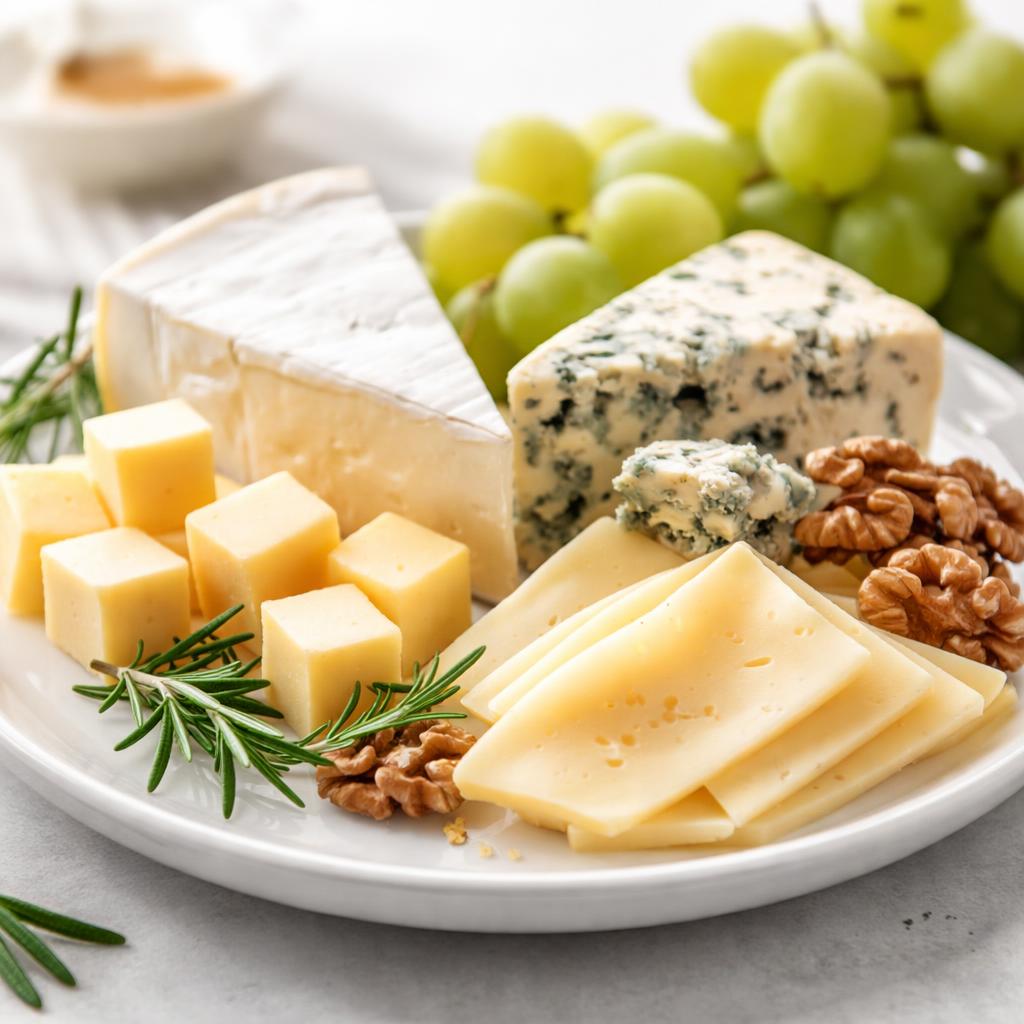
Cheese
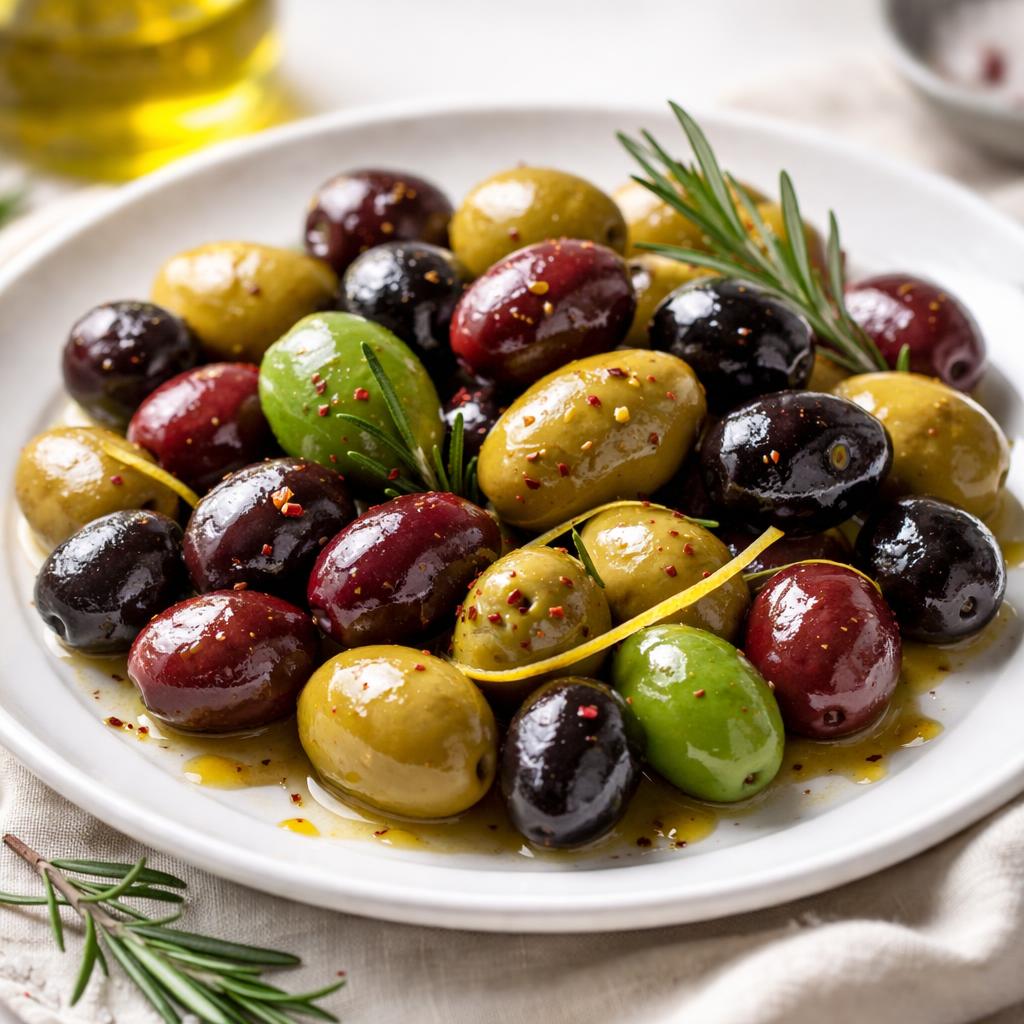
Olives
🎯 Quick Verdict
Cheese is high in protein, calcium, and fat, making it a great option for muscle maintenance and high-fat diets. Olives, on the other hand, provide more fiber, fewer calories, and healthy fats, making them an excellent choice for heart health and antioxidant intake. Both foods cater to specific dietary needs and can be paired for balanced meals.

Smart Nutrition Tracking with SnapCalorie

📊 Nutritional Comparison
Macronutrients
| Nutrient | Food 1 | Food 2 | Winner |
|---|---|---|---|
| Calories | 100 kcal (per 1 oz) | 40 kcal (per 10 olives, ~1 oz) | ✓ |
| Protein | 7g | 0.4g | ✓ |
| Carbs | 0.5g | 2.5g | ✓ |
| Fat | 8g | 3.5g | ✓ |
| Fiber | 0g | 1.5g | ✓ |
Vitamins & Minerals
| Nutrient | Food 1 | Food 2 | Winner |
|---|---|---|---|
| Vitamin D | 0.2mcg | 0mcg | ✓ |
| Calcium | 200mg | 40mg | ✓ |
| Iron | 0.1mg | 0.5mg | ✓ |
| Vitamin E | 0.2mg | 3.5mg | ✓ |
| Sodium | 200mg | 450mg | ✓ |
🏆 Category Winners
Protein
Cheese contains significantly more protein, suitable for muscle-building diets.
Fiber
Olives have 1.5g of fiber per serving, compared to 0g in cheese.
Calories
Olives have 60% fewer calories per serving than cheese.
Vitamins
Cheese is higher in calcium and vitamin D, while olives excel in iron and vitamin E.
🥗 Diet Compatibility
Keto
Food 1: Compatible
Food 2: Compatible
Both are low-carb and high in healthy fats.
Vegan
Food 1: Not Compatible
Food 2: Compatible
Cheese is animal-based, while olives are plant-based.
Gluten Free
Food 1: Compatible
Food 2: Compatible
Neither contains gluten.
Paleo
Food 1: Not Compatible
Food 2: Compatible
Cheese is dairy-based and not considered Paleo-friendly.
Low-Carb
Food 1: Compatible
Food 2: Compatible
Both foods meet low-carb criteria.
💪 Health Benefits Comparison
Food 1 Benefits
- Rich source of protein for muscle maintenance
- High in calcium supporting strong bones
- Contains healthy fats for energy
Food 2 Benefits
- Provides antioxidants supporting cellular health
- Contains healthy monounsaturated fats for heart health
- High in fiber aiding digestion
✅ The Bottom Line
Cheese is ideal for high-protein, low-carb diets or post-workout meals due to its nutrition profile. Olives are better suited for heart health, digestion, and antioxidant intake, particularly in vegan or Paleo diets. Pairing them can create a balanced nutrient-dense snack.
Choose Food 1 for: High-protein diets, post-workout nutrition, low-carb meals
Choose Food 2 for: Heart health, digestive support, vegan and Paleo diets


