Cheese VS Meatballs
A detailed nutritional comparison
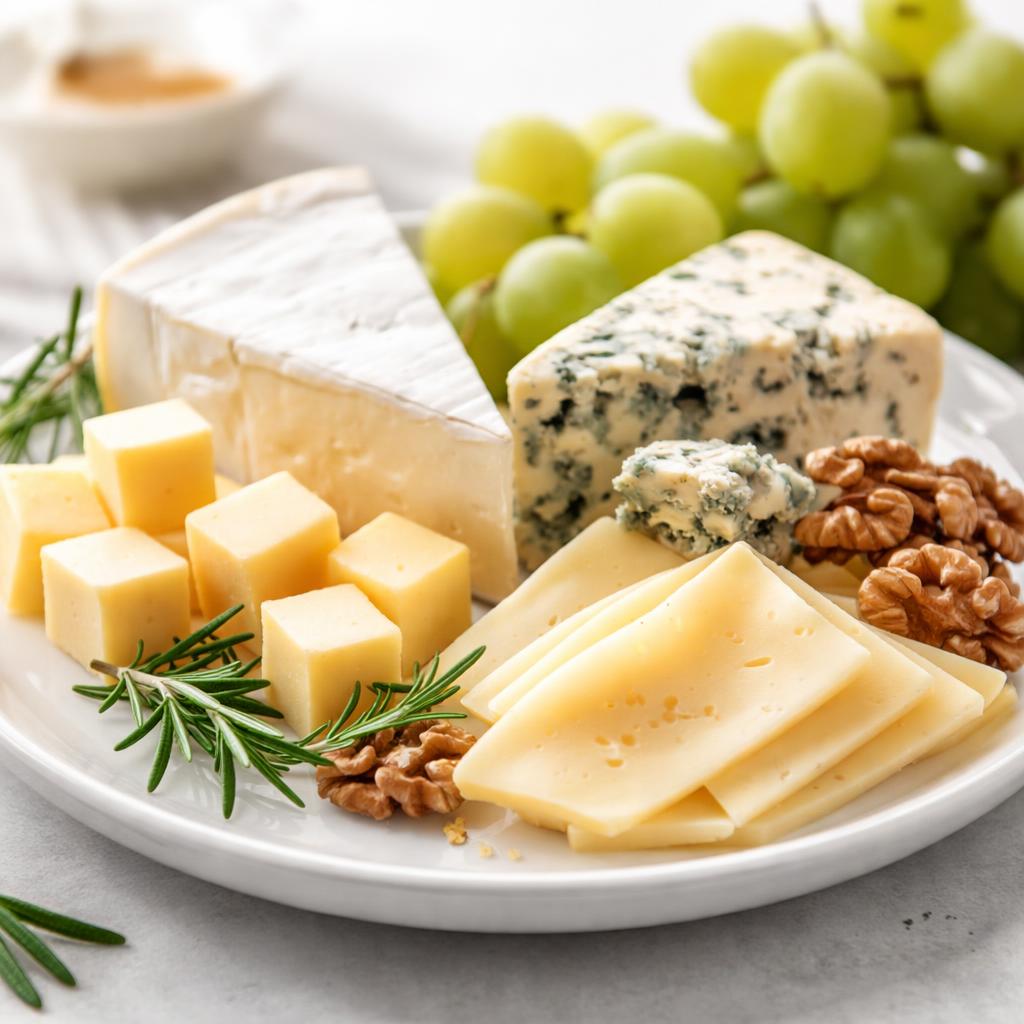
Cheese
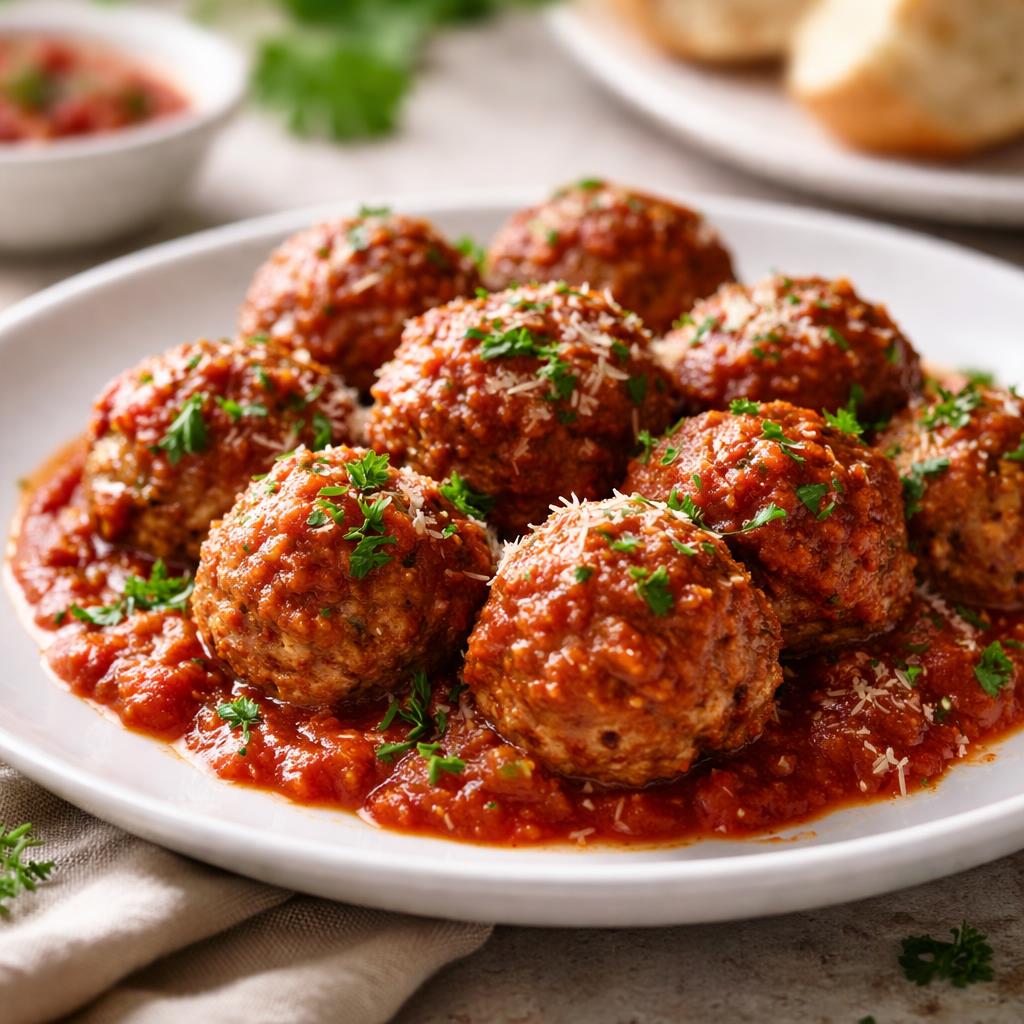
Meatballs
🎯 Quick Verdict
Cheese and meatballs are both protein-rich but differ significantly in other nutrients. Cheese provides more calcium and fat, while meatballs contain fewer calories and slightly more fiber. Cheese is ideal for calcium intake and satiation, whereas meatballs are a leaner, fiber-friendly option for a balanced meal.

Smart Nutrition Tracking with SnapCalorie

📊 Nutritional Comparison
Macronutrients
| Nutrient | Food 1 | Food 2 | Winner |
|---|---|---|---|
| Calories | 113 (per 1 oz) | 96 (per 1 oz) | ✓ |
| Protein | 7g | 8g | − |
| Carbs | 1g | 2g | ✓ |
| Fat | 9g | 5g | ✓ |
| Fiber | 0g | 0.5g | ✓ |
Vitamins & Minerals
| Nutrient | Food 1 | Food 2 | Winner |
|---|---|---|---|
| Vitamin D | 0.2mcg | 0mcg | ✓ |
| Calcium | 200mg | 10mg | ✓ |
| Iron | 0.2mg | 1mg | ✓ |
🏆 Category Winners
Protein
Both cheese and meatballs contain similar amounts of protein per ounce.
Fiber
Meatballs provide a small amount of fiber, while cheese contains none.
Calories
Meatballs have 15% fewer calories per serving compared to cheese.
Vitamins
Cheese is richer in calcium and offers some vitamin D.
🥗 Diet Compatibility
Keto
Food 1: Compatible
Food 2: Compatible
Both are low-carb and suitable for keto diets.
Vegan
Food 1: Not Compatible
Food 2: Not Compatible
Both foods are animal-based.
Gluten Free
Food 1: Compatible
Food 2: Depends (check recipe)
Cheese is naturally gluten-free; meatballs may contain breadcrumb fillers.
Paleo
Food 1: Not Compatible
Food 2: Depends (check recipe)
Cheese is not paleo; meatballs may be compliant without added grains or fillers.
Low Carb
Food 1: Compatible
Food 2: Compatible
Both are low in carbohydrates.
💪 Health Benefits Comparison
Food 1 Benefits
- High in calcium for bone health
- Rich in fats for energy and satiety
- Provides some vitamin D for immune function
Food 2 Benefits
- Good source of lean protein for muscle repair
- Contains iron for red blood cell production
- Lower in calories, making it suitable for weight management
✅ The Bottom Line
Considering flavor and nutrition, choose cheese for calcium or a quick energy boost, and go for meatballs for a lean protein source with slightly fewer calories. Both can fit into various diets but excel in different categories.
Choose Food 1 for: Bone health, keto or low-carb diets, snacking
Choose Food 2 for: Weight management, balanced meals, protein-focused diets


