Cheese VS Hamburger
A detailed nutritional comparison
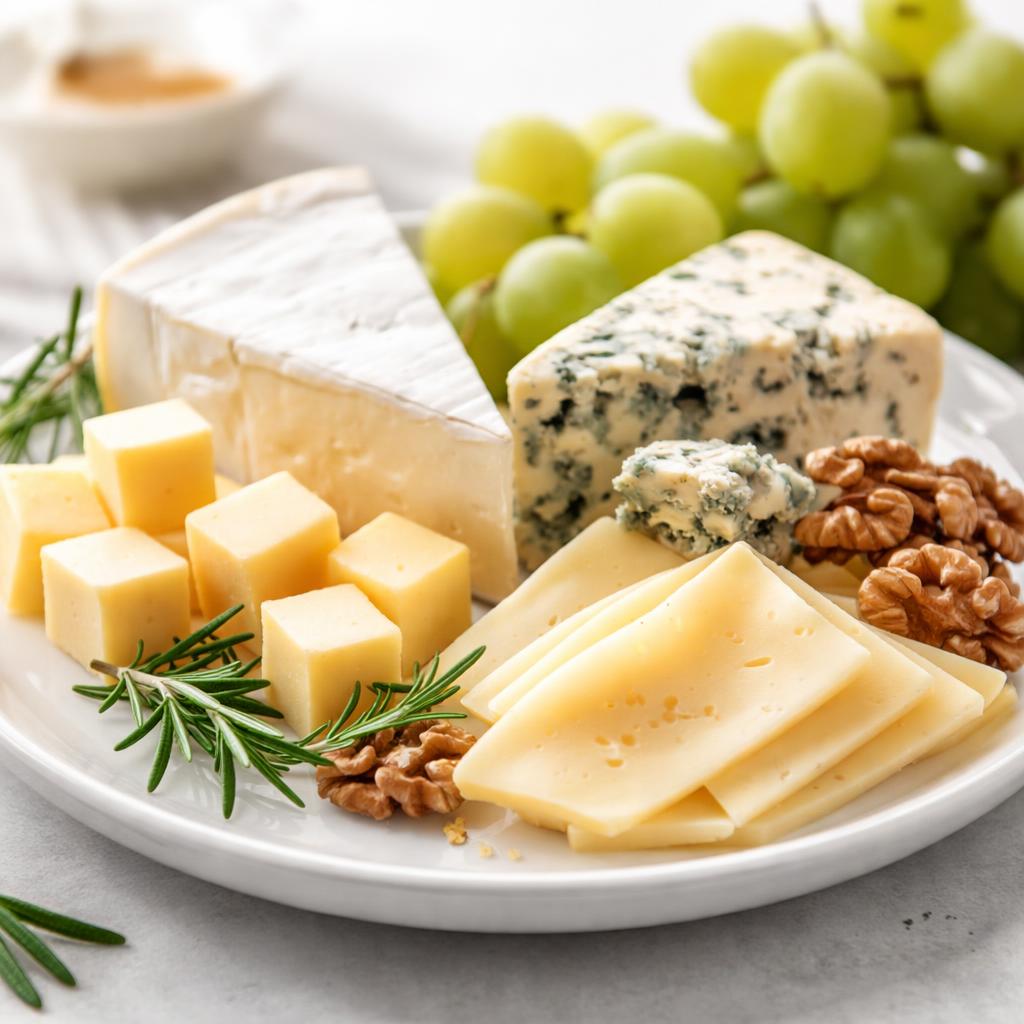
Cheese
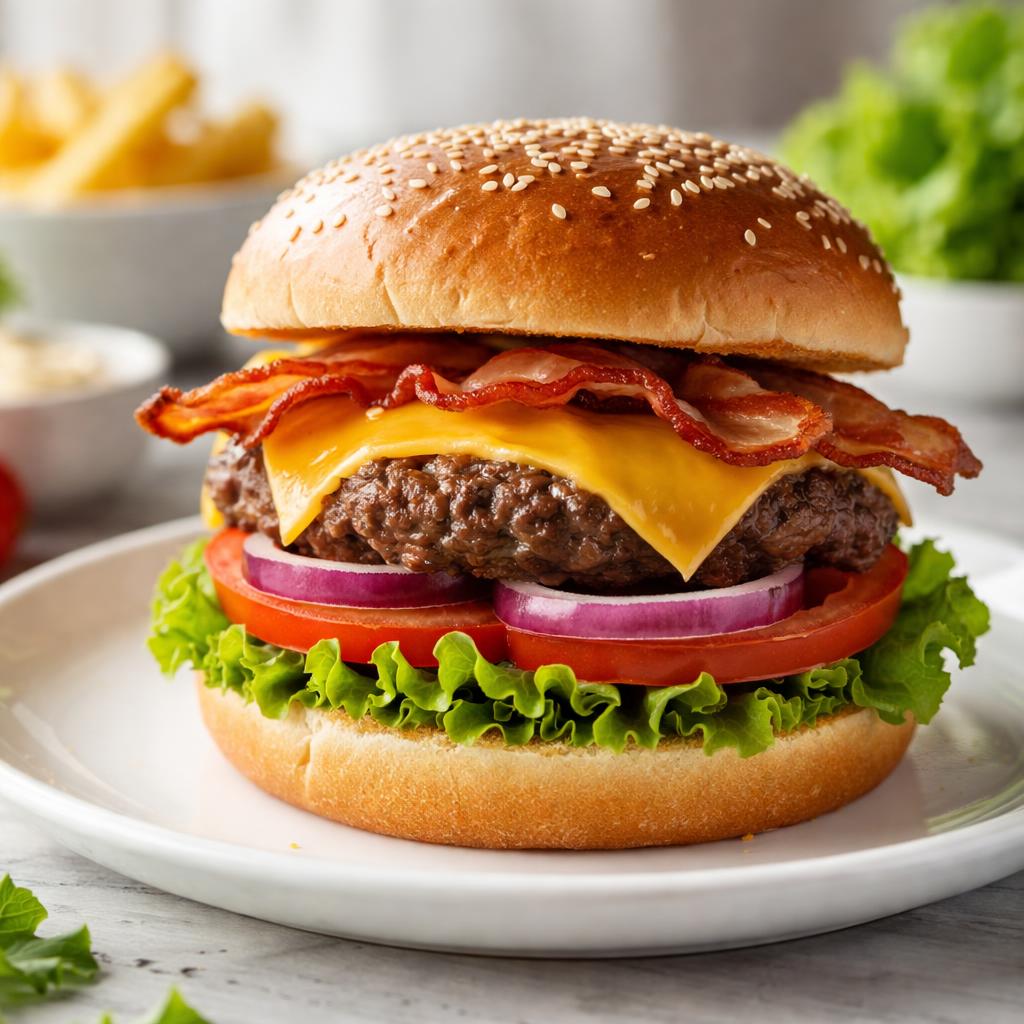
Hamburger
🎯 Quick Verdict
Cheese is calorie-dense and rich in calcium, making it an excellent source of vital nutrients for bone health and as a keto-friendly snack. Hamburger, while higher in calories, offers more protein and fiber, making it a better choice for muscle-building and a balanced meal. Both have unique strengths depending on dietary needs and goals.

Smart Nutrition Tracking with SnapCalorie

📊 Nutritional Comparison
Macronutrients
| Nutrient | Food 1 | Food 2 | Winner |
|---|---|---|---|
| Calories | 402 | 250 | ✓ |
| Protein | 25g | 27g | ✓ |
| Carbs | 1g | 30g | ✓ |
| Fat | 33g | 11g | ✓ |
| Fiber | 0g | 2g | ✓ |
Vitamins & Minerals
| Nutrient | Food 1 | Food 2 | Winner |
|---|---|---|---|
| Vitamin A | 324mcg | 20mcg | ✓ |
| Calcium | 721mg | 15mg | ✓ |
| Iron | 0.7mg | 2.7mg | ✓ |
🏆 Category Winners
Protein
Hamburger edges out cheese in protein content by approximately 2g per serving.
Fiber
Hamburger contains 2g of fiber, while cheese has none.
Calories
Hamburger is 37% lower in calories compared to cheese.
🥗 Diet Compatibility
Keto
Food 1: Compatible
Food 2: Not Compatible
Cheese is low-carb with 1g, while hamburger has 30g of carbs.
Vegan
Food 1: Not Compatible
Food 2: Not Compatible
Both are animal-derived; vegan alternatives need consideration.
Gluten Free
Food 1: Compatible
Food 2: Potentially Compatible
Cheese does not contain gluten, but hamburgers depend on the bun; opt for gluten-free buns.
Paleo
Food 1: Not Compatible
Food 2: Compatible
Cheese is typically avoided in Paleo diets, while hamburger is acceptable without processed or grain-based ingredients.
Low-Carb
Food 1: Compatible
Food 2: Not Compatible
Cheese is low-carb, while hamburger's higher carb content makes it less suitable for low-carb diets unless tailored with substitutions.
💪 Health Benefits Comparison
Food 1 Benefits
- High calcium content supports bone health and strength.
- Rich in protein for muscle repair and maintenance.
- Low in carbohydrates, ideal for keto and low-carb diets.
Food 2 Benefits
- Provides high-quality protein for muscle-building and repair.
- Contains fiber for digestion and satiety.
- Rich in iron, essential for oxygen transport and energy production.
✅ The Bottom Line
Cheese is an excellent choice for low-carb or keto diets, snacks, or as a topping. Hamburger works better for balanced meals, muscle-building, and providing fiber alongside protein. The best choice depends on whether you prioritize lower calories and balanced nutrients or high-fat, low-carb options.
Choose Food 1 for: Keto diets, low-carb snacking, bone health
Choose Food 2 for: Balanced meals, muscle-building, general nutrition


