Cheese VS Ground Meat
A detailed nutritional comparison
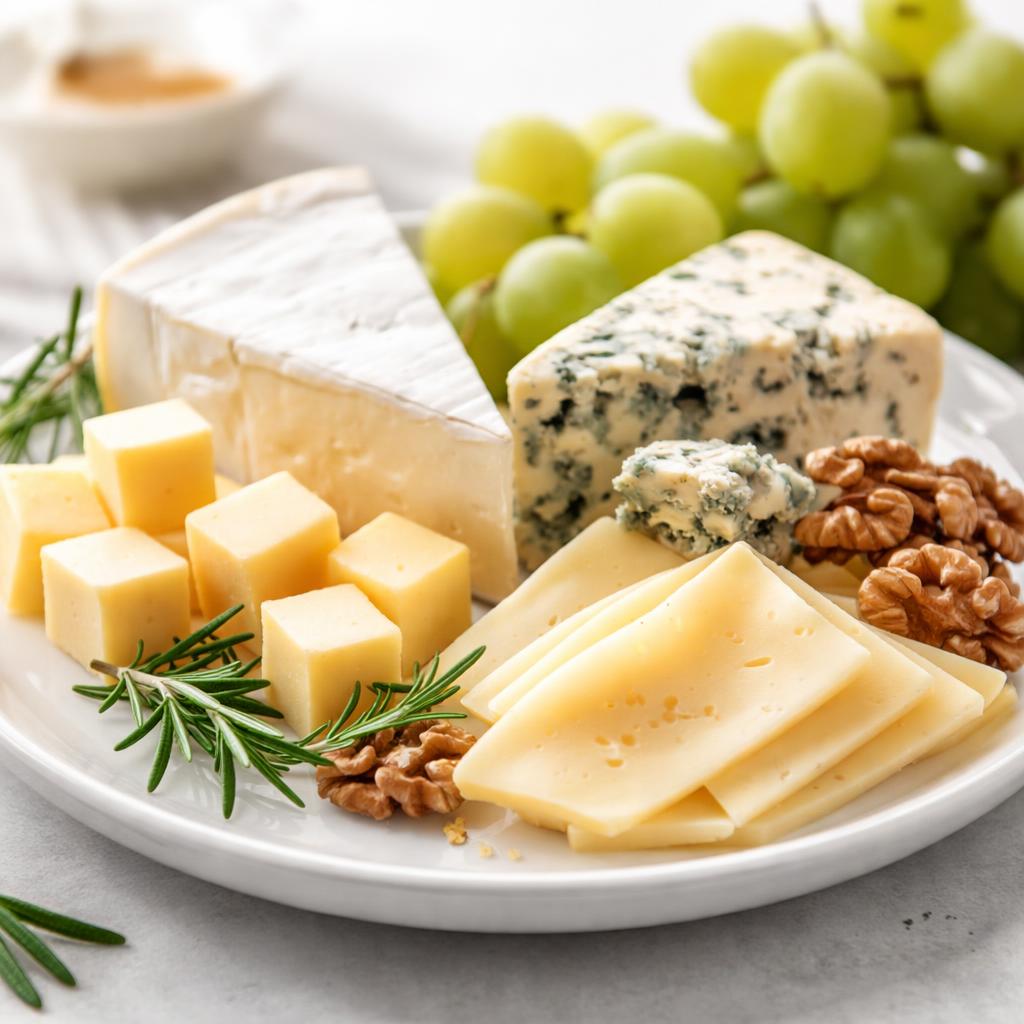
Cheese
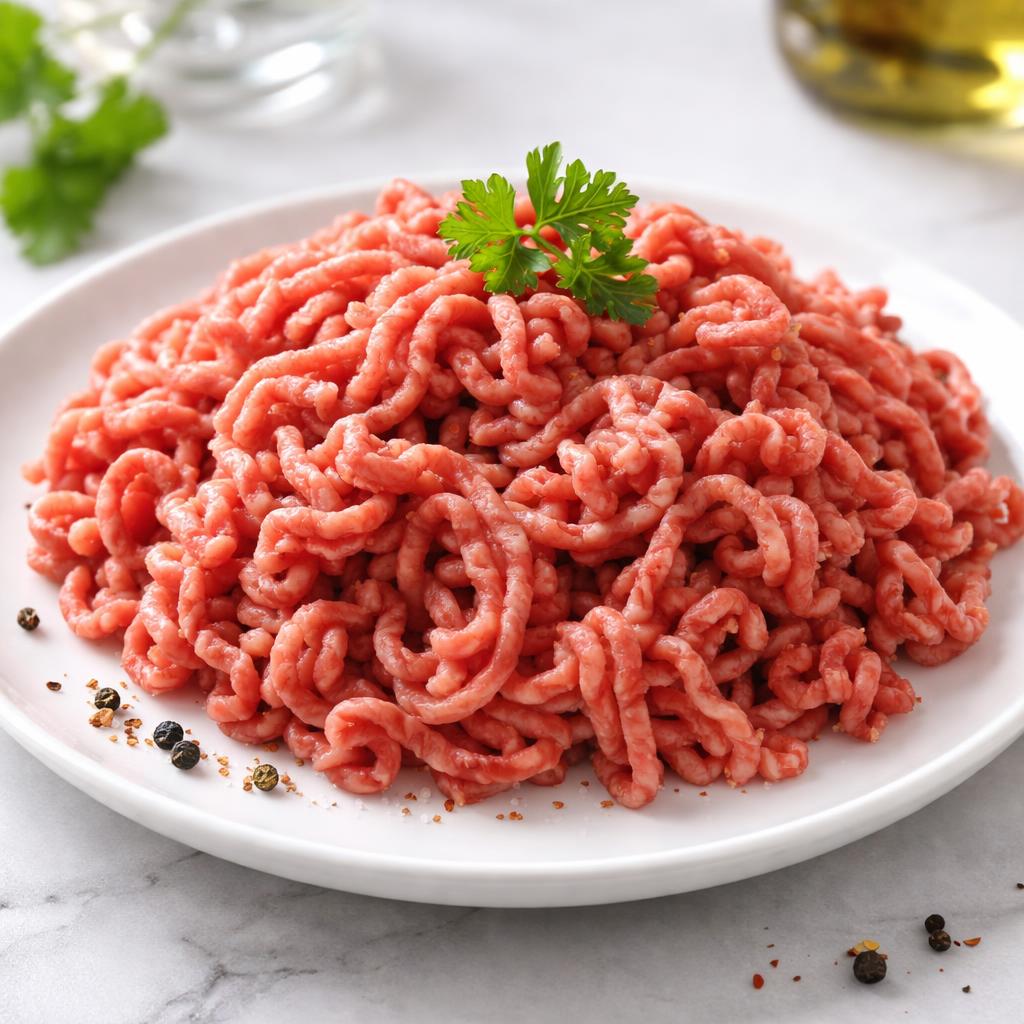
Ground Meat
🎯 Quick Verdict
Cheese and ground meat are both high-protein options but differ significantly. Cheese is richer in fat and calcium, making it ideal for bone health and energy-dense diets, while ground meat is lower in calories and slightly higher in protein, suitable for lean muscle growth. Use cheese sparingly for added flavor and ground meat for versatile protein-packed meals.

Smart Nutrition Tracking with SnapCalorie

📊 Nutritional Comparison
Macronutrients
| Nutrient | Food 1 | Food 2 | Winner |
|---|---|---|---|
| Calories | 402 (per 100g) | 250 (per 100g) | ✓ |
| Protein | 25g | 26g | ✓ |
| Carbs | 1g | 0g | ✓ |
| Fat | 33g | 20g | ✓ |
| Fiber | 0g | 0g | − |
Vitamins & Minerals
| Nutrient | Food 1 | Food 2 | Winner |
|---|---|---|---|
| Vitamin A | 1004 IU | 40 IU | ✓ |
| Calcium | 721mg | 15mg | ✓ |
| Iron | 0.2mg | 2.7mg | ✓ |
| Vitamin D | 0.4mcg | 0mcg | ✓ |
🏆 Category Winners
Protein
Ground meat is marginally higher in protein, making it better for muscle building.
Fiber
Neither food contains fiber.
Calories
Ground meat is 37% lower in calories, suitable for calorie-conscious diets.
Vitamins
Cheese is richer in calcium, Vitamin A, and Vitamin D, ideal for bone health and immunity.
🥗 Diet Compatibility
Keto
Food 1: Compatible
Food 2: Compatible
Both are low-carb and high-fat, fitting keto diets.
Vegan
Food 1: Not Compatible
Food 2: Not Compatible
Both are animal-based products.
Gluten Free
Food 1: Compatible
Food 2: Compatible
Neither contains gluten.
Paleo
Food 1: Somewhat Compatible
Food 2: Compatible
Ground meat fits paleo diets, while cheese is less aligned due to its processing.
Low Carb
Food 1: Compatible
Food 2: Compatible
Cheese and ground meat are both low in carbs, under 2g per serving.
💪 Health Benefits Comparison
Food 1 Benefits
- High in calcium for strong bones and teeth
- Rich in healthy fats for energy storage
- Contains Vitamin D to support immune and bone health
- Source of protein for muscle repair
Food 2 Benefits
- High protein content aids muscle growth
- Rich in iron for improved oxygen transport in the body
- Lower in calories, supporting weight loss goals
- Offers versatile nutrients for balanced meals
✅ The Bottom Line
Cheese is ideal for adding flavor and essential nutrients like calcium and Vitamin D to meals but should be consumed in moderation due to its higher calorie and fat content. Ground meat is better suited for lean muscle growth, lower-calorie diets, and versatile protein-rich cooking applications.
Choose Food 1 for: Bone health, keto diets, flavor enhancement
Choose Food 2 for: Lean muscle building, weight-conscious diets, nutrient-dense meals


