Cheese VS Grilled Salmon
A detailed nutritional comparison
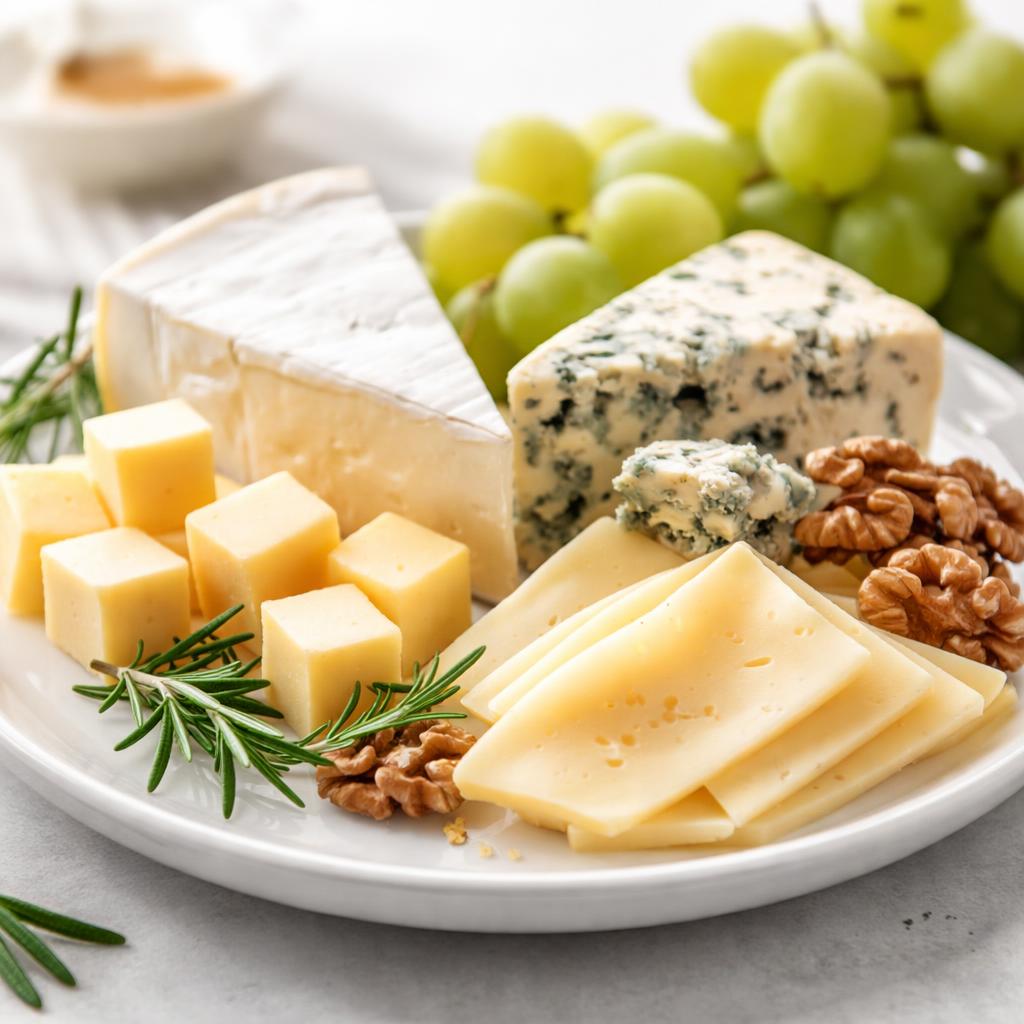
Cheese
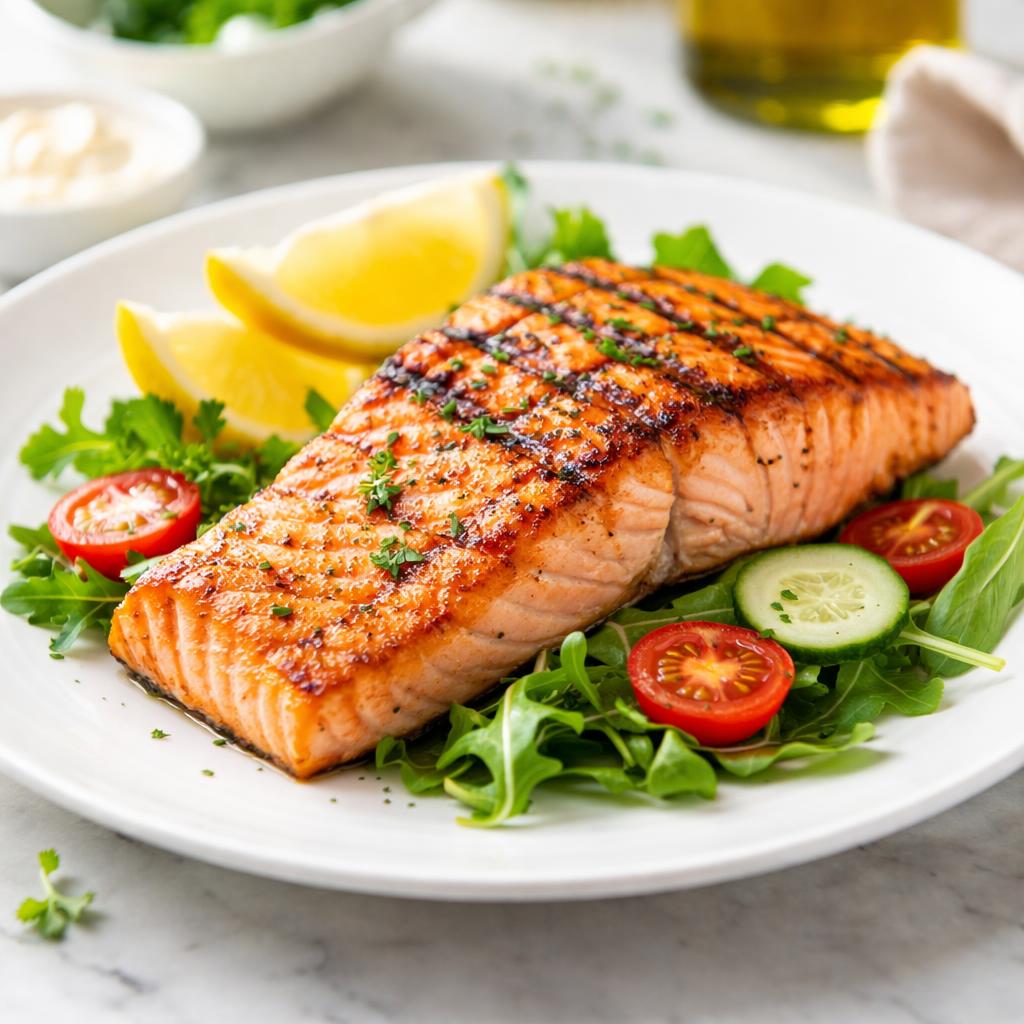
Grilled Salmon
🎯 Quick Verdict
Grilled salmon is higher in protein and lower in calories compared to cheese, making it a better option for muscle building and weight management. Cheese, on the other hand, is richer in calcium and supports bone health but is significantly higher in fat. Both are nutrient-dense but serve different dietary goals based on health priorities and meal context.

Smart Nutrition Tracking with SnapCalorie

📊 Nutritional Comparison
Macronutrients
| Nutrient | Food 1 | Food 2 | Winner |
|---|---|---|---|
| Calories | 400 | 206 | ✓ |
| Protein | 25g | 22g | ✓ |
| Carbs | 1g | 0g | ✓ |
| Fat | 33g | 13g | ✓ |
| Fiber | 0g | 0g | − |
Vitamins & Minerals
| Nutrient | Food 1 | Food 2 | Winner |
|---|---|---|---|
| Vitamin D | 0.6mcg | 9.3mcg | ✓ |
| Calcium | 721mg | 9mg | ✓ |
| Iron | 0.2mg | 0.5mg | ✓ |
🏆 Category Winners
Protein
Grilled salmon has slightly more protein and is leaner overall.
Fiber
Neither cheese nor salmon provides dietary fiber.
Calories
Grilled salmon has significantly fewer calories per serving.
Vitamins
Salmon is higher in vitamin D and provides better overall micronutrient density.
🥗 Diet Compatibility
Keto
Food 1: Compatible
Food 2: Compatible
Both are low-carb and high-fat/protein options suitable for keto diets.
Vegan
Food 1: Not Compatible
Food 2: Not Compatible
Neither is plant-based.
Gluten Free
Food 1: Compatible
Food 2: Compatible
Both are free from gluten.
Paleo
Food 1: Not Compatible
Food 2: Compatible
Cheese is generally excluded in strict paleo diets, while salmon is allowed as a whole food protein source.
Low-Carb
Food 1: Compatible
Food 2: Compatible
Both are extremely low-carb, making them suitable for low-carb diets.
💪 Health Benefits Comparison
Food 1 Benefits
- Excellent source of calcium for bone health
- Good source of protein for muscle maintenance
- Contains riboflavin and vitamin B12 for energy metabolism
Food 2 Benefits
- High in omega-3 fatty acids for heart and brain health
- Rich in vitamin D for bone health and immunity
- Great source of lean protein for muscle recovery
✅ The Bottom Line
Choose grilled salmon for its high protein content, lower calories, and omega-3 fatty acids, especially if you're looking for a nutrient-dense, heart-healthy option. Opt for cheese when calcium or a quick, satiating snack is the priority. Both can fit into a healthy diet but serve different nutritional roles.
Choose Food 1 for: Bone health, calcium intake, keto-friendly snacks
Choose Food 2 for: Weight management, heart health, post-workout meals


