Cheese VS Grilled Halloumi
A detailed nutritional comparison
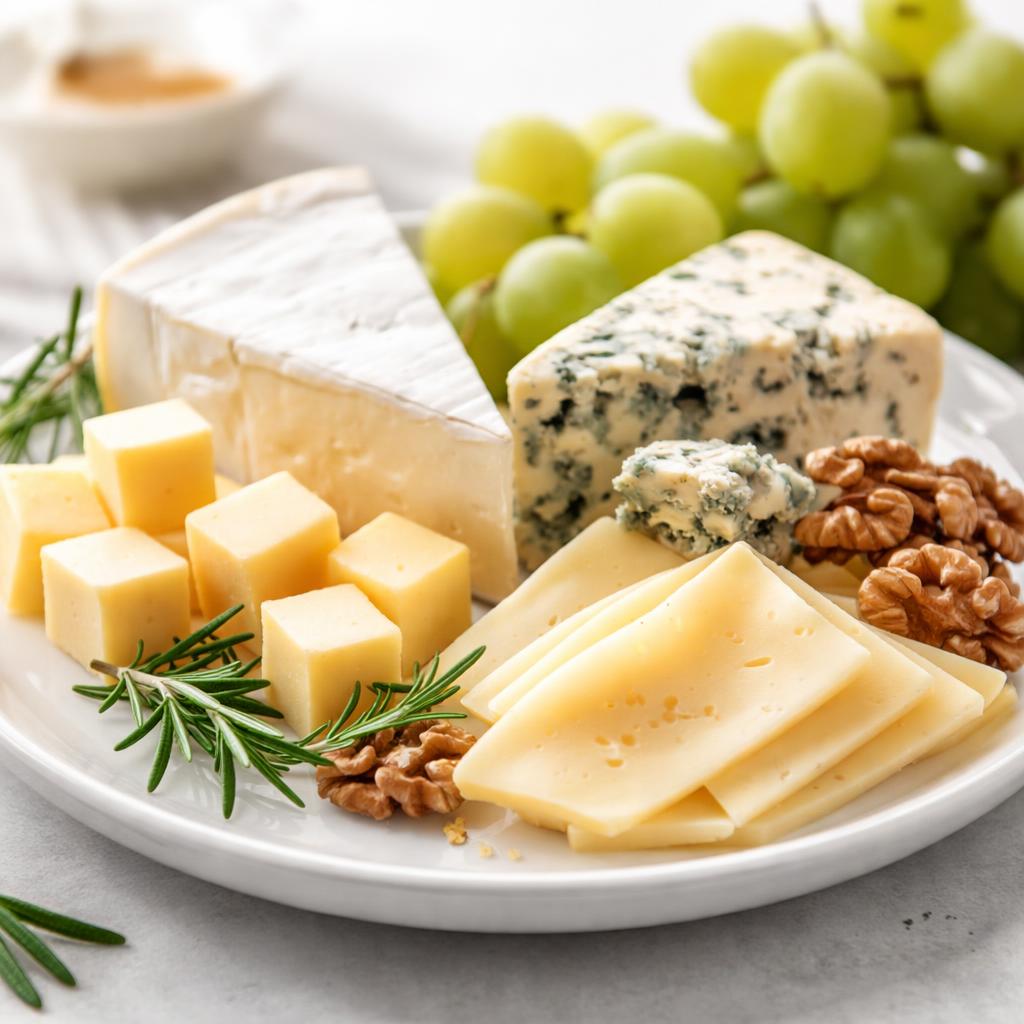
Cheese
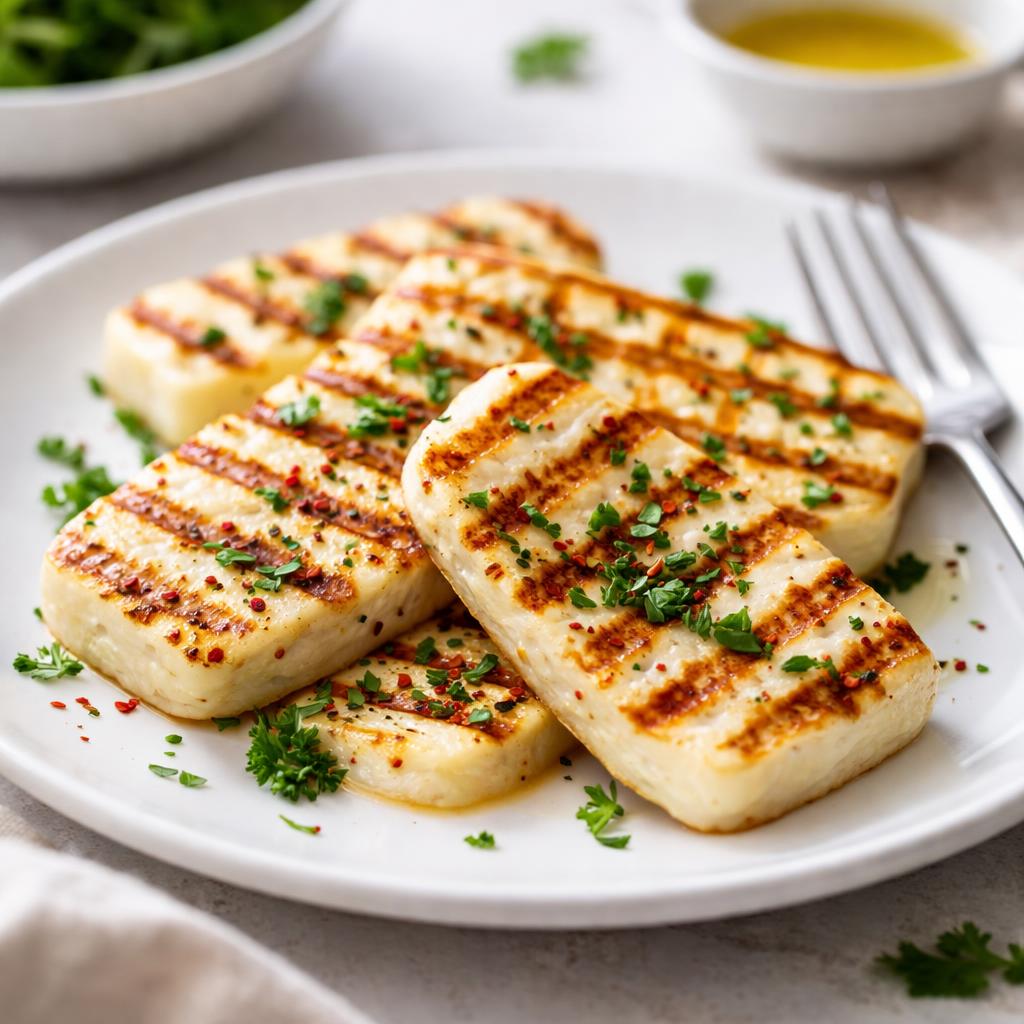
Grilled Halloumi
🎯 Quick Verdict
Cheese and grilled halloumi are both rich in protein and fats, but halloumi offers a slightly higher mineral content, including calcium and phosphorus. Cheese is lower in calories, making it better for weight-conscious individuals. Grilled halloumi, on the other hand, is ideal for nutrient-dense meals and brings a distinct flavor due to its grilling process.

Smart Nutrition Tracking with SnapCalorie

📊 Nutritional Comparison
Macronutrients
| Nutrient | Food 1 | Food 2 | Winner |
|---|---|---|---|
| Calories | 115 per ounce | 130 per ounce | ✓ |
| Protein | 7g per ounce | 7g per ounce | − |
| Carbs | 0.9g per ounce | 0.7g per ounce | ✓ |
| Fat | 9g per ounce | 10g per ounce | ✓ |
| Fiber | 0g per ounce | 0g per ounce | − |
Vitamins & Minerals
| Nutrient | Food 1 | Food 2 | Winner |
|---|---|---|---|
| Vitamin A | 275 IU per ounce | 300 IU per ounce | ✓ |
| Vitamin D | 0.2mcg per ounce | 0.2mcg per ounce | − |
| Calcium | 204mg per ounce | 260mg per ounce | ✓ |
| Phosphorus | 146mg per ounce | 210mg per ounce | ✓ |
🏆 Category Winners
Protein
Both foods provide 7g of protein per ounce.
Fiber
Neither food contains fiber.
Calories
Food1 (cheese) contains fewer calories per ounce.
Vitamins
Grilled halloumi has higher calcium and phosphorus levels.
🥗 Diet Compatibility
Keto
Food 1: Compatible
Food 2: Compatible
Both are high-fat and low-carb foods suitable for keto.
Vegan
Food 1: Not Compatible
Food 2: Not Compatible
Neither cheese nor halloumi is plant-based.
Gluten Free
Food 1: Compatible
Food 2: Compatible
Both are naturally gluten-free.
Paleo
Food 1: Not Compatible
Food 2: Not Compatible
Dairy products are generally not considered paleo-friendly.
Low-Carb
Food 1: Compatible
Food 2: Compatible
Both are low-carb options with less than 1g of carbs per ounce.
💪 Health Benefits Comparison
Food 1 Benefits
- Rich in protein for muscle building
- Good source of calcium for bone health
- Lower in calories compared to halloumi
Food 2 Benefits
- Higher calcium content for stronger bones
- Contains phosphorus for energy production
- Grilled preparation adds flavor without extra carbs
✅ The Bottom Line
Choose cheese if you are looking for a lower-calorie option or prefer a more versatile addition to your diet (e.g., salads, sandwiches). Opt for grilled halloumi if you want a nutrient-dense addition to cooked meals and enjoy its grilling texture and flavor.
Choose Food 1 for: Weight loss, versatile cooking, lower calorie diets
Choose Food 2 for: Higher mineral intake, richer flavor profiles, grilling cuisine


