Cheese VS Fennel
A detailed nutritional comparison
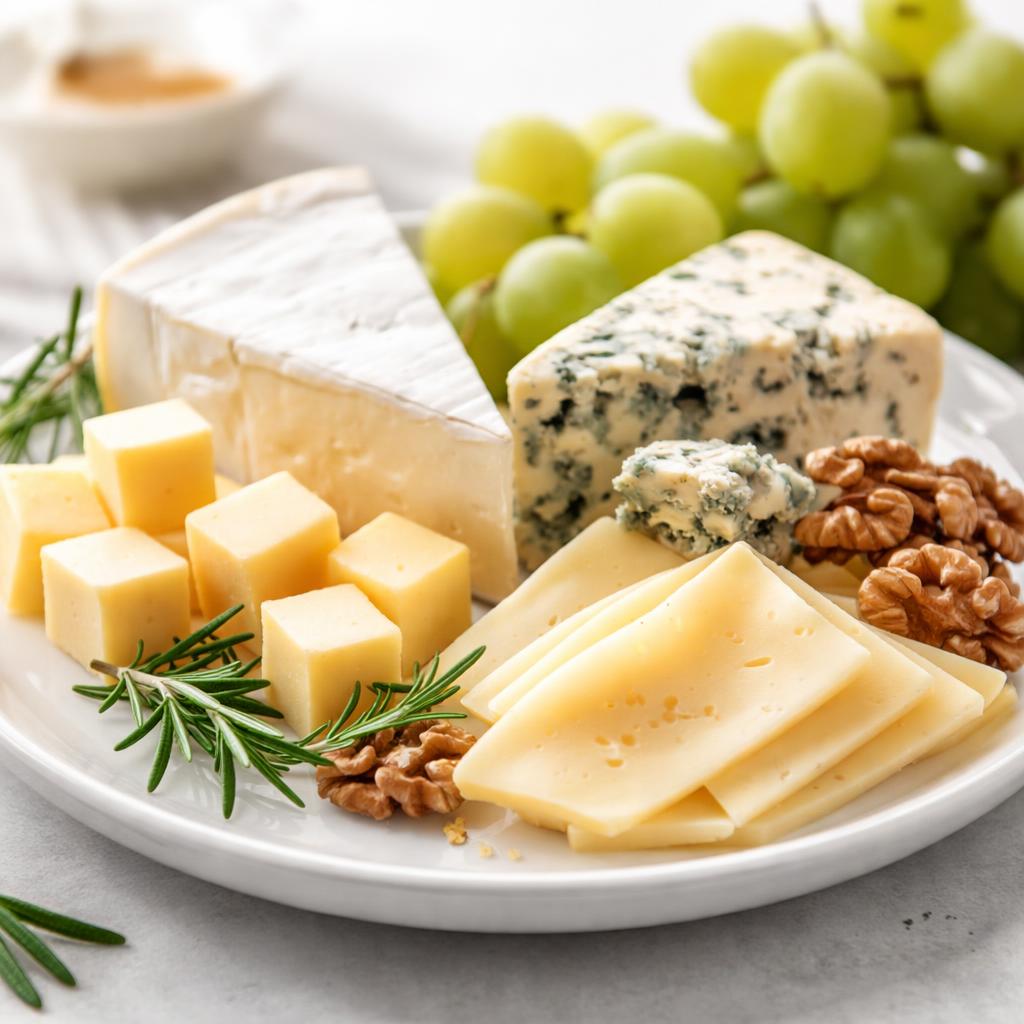
Cheese
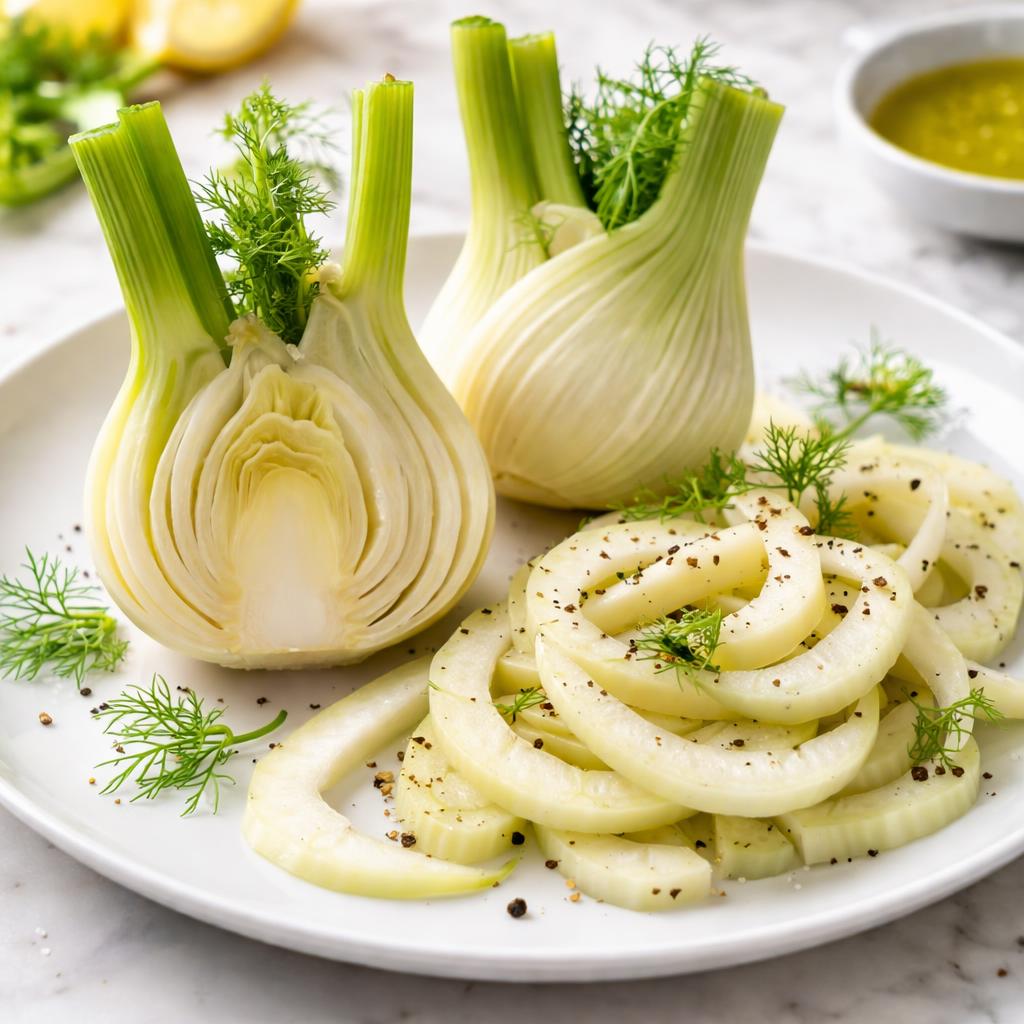
Fennel
🎯 Quick Verdict
Cheese is a high-protein, high-fat food with notable amounts of calcium and vitamin B12, making it ideal for muscle maintenance and bone health. Fennel is low-calorie, high-fiber, and packed with antioxidants, making it excellent for digestion and overall wellness. Choose cheese for protein-heavy diets and fennel for nutrient diversity and lower calorie intake.

Smart Nutrition Tracking with SnapCalorie

📊 Nutritional Comparison
Macronutrients
| Nutrient | Food 1 | Food 2 | Winner |
|---|---|---|---|
| Calories | 400 kcal per 100g | 31 kcal per 100g | ✓ |
| Protein | 25g per 100g | 1.2g per 100g | ✓ |
| Carbs | 1.3g per 100g | 7g per 100g | ✓ |
| Fat | 33g per 100g | 0.2g per 100g | ✓ |
| Fiber | 0g per 100g | 3.7g per 100g | ✓ |
Vitamins & Minerals
| Nutrient | Food 1 | Food 2 | Winner |
|---|---|---|---|
| Vitamin C | 0mg per 100g | 12mg per 100g | ✓ |
| Calcium | 721mg per 100g | 49mg per 100g | ✓ |
| Iron | 0.2mg per 100g | 0.7mg per 100g | ✓ |
| Vitamin B12 | 1.4mcg per 100g | 0mcg per 100g | ✓ |
| Potassium | 98mg per 100g | 414mg per 100g | ✓ |
🏆 Category Winners
Protein
Cheese contains 20 times more protein than fennel per 100g.
Fiber
Fennel contains 3.7g of fiber per 100g compared to no fiber in cheese.
Calories
Fennel has 92% fewer calories than cheese per 100g.
Vitamins
Cheese excels in calcium and vitamin B12, while fennel provides vitamin C and potassium.
🥗 Diet Compatibility
Keto
Food 1: Compatible
Food 2: Not Compatible
Cheese is high in fat and low in carbs, ideal for ketogenic diets.
Vegan
Food 1: Not Compatible
Food 2: Compatible
Cheese is animal-derived while fennel is plant-based.
Gluten Free
Food 1: Compatible
Food 2: Compatible
Both cheese and fennel are naturally gluten-free.
Paleo
Food 1: Not Compatible
Food 2: Compatible
Cheese is processed and excluded from strict paleo diets, while fennel is a whole food.
Low Carb
Food 1: Compatible
Food 2: Compatible
Both foods are low in carbohydrates with fennel providing slightly more carbs due to its fiber content.
💪 Health Benefits Comparison
Food 1 Benefits
- Rich in protein to support muscle repair and growth
- Excellent source of calcium for bone health
- Contains vitamin B12 for red blood cell formation
Food 2 Benefits
- High in fiber for improved digestion and gut health
- Contains antioxidants that may reduce inflammation
- Good source of potassium for heart and muscle function
- Low in calories, making it ideal for weight management
✅ The Bottom Line
Choose cheese for protein and calcium needs, particularly if on a high-fat or keto diet. Opt for fennel when looking for a nutrient-dense, low-calorie food packed with fiber and antioxidants. Both can complement different dietary goals.
Choose Food 1 for: Muscle-building diets, keto, and calcium-rich diets.
Choose Food 2 for: Weight loss, digestive health, and nutrient diversity.


